BMW Commits To Future V12 And V8 Engines In Defiance Of Downsizing Trends
The automotive landscape in 2026 looks vastly different than it did just a decade ago, with most manufacturers aggressively downsizing their powertrains to meet strict environmental targets. While competitors are rapidly replacing their eight and twelve-cylinder options with smaller hybrid units, BMW has chosen a distinctly different path. The Bavarian automaker recently confirmed its intention to keep large internal combustion engines alive for the foreseeable future. This strategy stands in stark contrast to the wider industry trend of discontinuing V8 and six-cylinder powerplants in favor of efficiency and reduced emissions.
Technical Director Joachim Post recently shed light on this surprising development during an interview with the British publication ‘Autocar’. He revealed that the company has developed a new generation of inline-six, V8, and V12 engines specifically designed to meet upcoming regulatory limits. Keeping these large engines compliant with the new Euro 7 standards requires significant engineering ingenuity and investment. The solution involves integrating more complex exhaust systems, advanced catalytic converters, and mild-hybrid assistance to ensure these powerful engines remain viable.
The most intriguing part of this announcement surrounds the future of the V12 engine. BMW officially ceased production of V12 models under its own specific badge back in 2022, marking what many thought was the end of an era. However, Post surprised enthusiasts by stating that the next generation of products will indeed feature a V12. It remains unclear whether this refers exclusively to the ultra-luxury Rolls-Royce lineup or if it signals a return to BMW’s top-tier models. Industry speculation suggests the newly integrated Alpina brand could be the recipient of this engine to compete directly with the Mercedes-Maybach S 680.
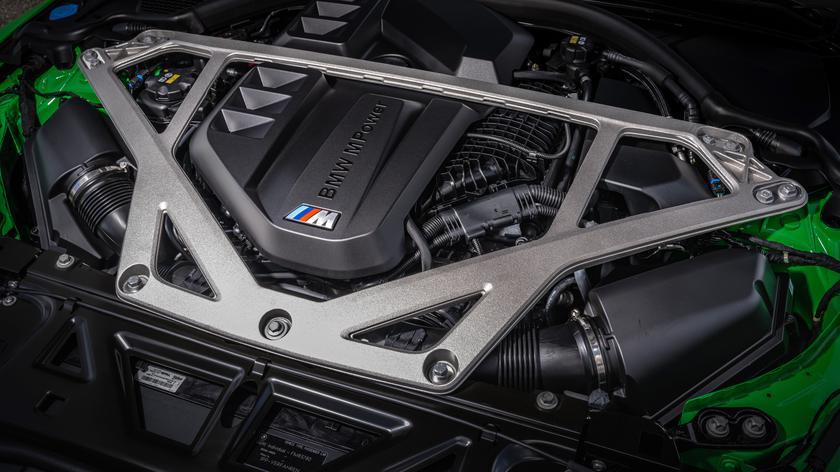
This commitment to internal combustion does not mean the company is ignoring electrification or the shift toward sustainable mobility. The manufacturer has already announced a fully electric version of the ‘M3’ alongside a new combustion variant powered by the S58 six-cylinder engine. Reports also indicate that the ‘M4’ coupe could see its lifecycle extended on the current architecture, ensuring the continued availability of high-performance petrol options. This dual-pronged approach allows the brand to cater to traditionalists who value the sound and feel of a large engine while still expanding its electric portfolio.
The decision to retain these large engines comes at a time when the European Union has shown signs of softening its stance on the complete ban of internal combustion sales originally planned for 2035. This regulatory shift has provided automakers with additional room to maneuver and adapt their strategies for different global markets. By maintaining a diverse range of powertrains, the company ensures it can meet the varying demands of customers worldwide who are not yet ready to fully transition to electric vehicles.
We are interested to hear what you think about this decision to keep the V12 alive in an era of electrification, so please share your thoughts in the comments.