BMW Invests in DeepDrive for Revolutionary In-Wheel Electric Motors
BMW-backed startup DeepDrive has developed dual-rotor in-wheel electric motors promising significant efficiency gains for future EVs. The technology integrates motors directly into wheels, reducing vehicle weight and complexity while boosting range. DeepDrive appointed a former Tesla and Audi executive to accelerate industrialization.
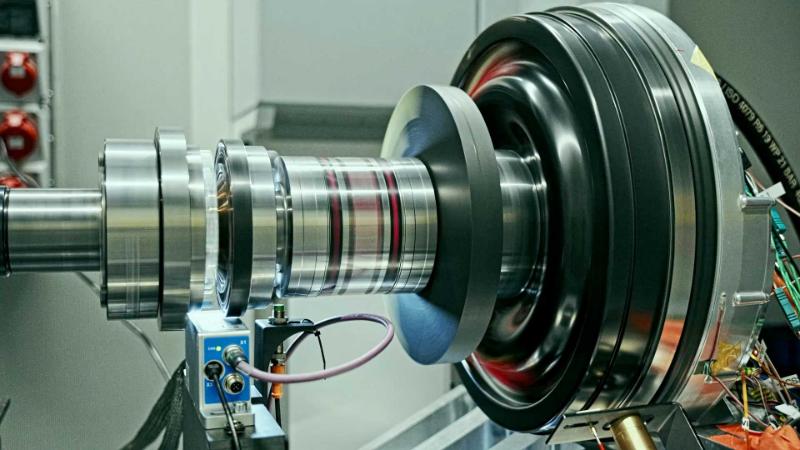
The motors feature an innovative radial flux design with two rotors: one inner and one outer. This configuration delivers 400 kilowatts peak power per unit in a compact package weighing under 50 kilograms. Efficiency reaches 97 percent across broad operating ranges.
In-wheel placement eliminates traditional drivetrain components like shafts and differentials. This frees interior space and lowers unsprung mass for improved handling. Regenerative braking captures more energy due to direct wheel connection.
DeepDrive targets series production readiness by late 2027. Initial applications focus on premium and performance segments. BMW’s investment supports scaling manufacturing in Germany.
The design supports 800-volt architectures for rapid charging. Torque vectoring enables precise control for enhanced dynamics and safety systems. Cooling integrates into wheel structures without additional pumps.
Competitors explore similar concepts but face challenges with unsprung weight penalties. DeepDrive claims its lightweight construction mitigates ride quality impacts. Independent testing validates range extensions up to 20 percent versus central-motor layouts.
The appointment of the executive brings expertise in high-volume EV motor production. Previous roles involved scaling Tesla’s drive units and Audi’s e-tron platforms. This move signals progression from prototype to market-ready phase.
Automakers seek differentiation in maturing EV markets. In-wheel motors offer packaging advantages for dedicated electric platforms. Battery placement optimizes for lower center of gravity and cabin volume.
DeepDrive completed a funding round exceeding 100 million euros. Participants include BMW i Ventures and continental suppliers. Funds accelerate facility expansion and validation testing.
U.S. manufacturers monitor the technology for potential adoption. Domestic content requirements influence partnerships under current incentives. Range and efficiency gains align with consumer priorities in truck and SUV segments.
The motors accommodate all-wheel-drive configurations with individual wheel control. This enables advanced traction management on varied surfaces. Software calibration fine-tunes responses for different vehicle types.
Industry observers project in-wheel systems gaining traction post-2030. Material advancements address durability in real-world conditions. DeepDrive positions itself as a leading supplier in this emerging field.
BMW plans integration into upcoming Neue Klasse electric models. These vehicles debut advanced digital architectures and battery chemistries. Motor technology complements efficiency-focused designs targeting over 400 miles range.