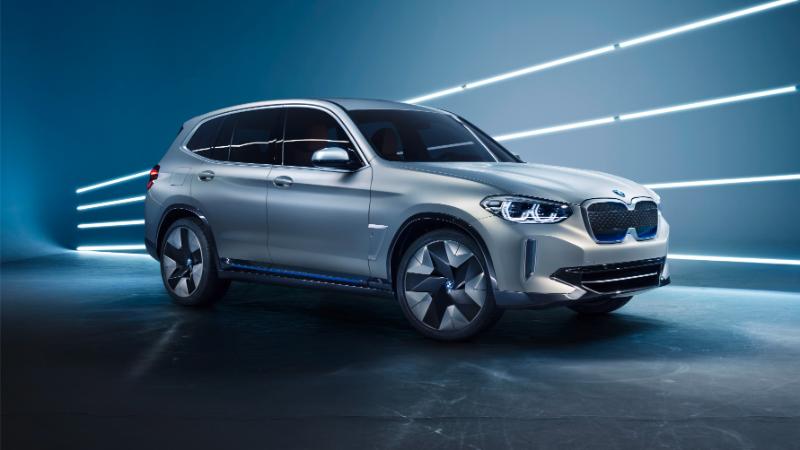
BMW iX3 Electric SUV Sells Out 2026 Allocation in Key Markets
BMW’s all-new electric iX3 crossover exhausted pre-order slots for 2026 production in multiple regions shortly after reveal. The model features the company’s sixth-generation eDrive technology on an 800-volt architecture. Deliveries commence in Europe and other markets during the first half of the year. U.S. availability follows later with specific volume allocations yet to be confirmed.
The iX3 serves as the battery-electric counterpart to the combustion-powered X3 lineup. It incorporates distinct design elements including illuminated kidney grille signatures and aerodynamic wheel options. Rear-wheel-drive and all-wheel-drive variants offer varying power outputs up to approximately 500 horsepower in top configurations. Range estimates approach 400 miles under WLTP testing protocols.
BMW developed the dedicated Neue Klasse platform exclusively for electric vehicles starting with this model. The architecture supports bi-directional charging capabilities and over-the-air software updates. Interior layouts feature a panoramic display spanning the dashboard with minimal physical controls. Sustainable materials appear throughout the cabin construction.
Production occurs at the company’s Debrecen plant in Hungary utilizing renewable energy sources. Battery cell supply integrates advanced cylindrical formats for improved energy density. Fast-charging rates reach up to 200 kilowatts enabling significant range recovery in under 30 minutes. Thermal management systems optimize performance across temperature extremes.
This rapid sell-out reflects sustained demand for premium electric crossovers despite broader market fluctuations. BMW maintains multiple powertrain options across its portfolio including hybrids and combustion engines. The iX3 positions against competitors like the Mercedes EQE SUV and Audi Q6 e-tron. Software-defined vehicle features allow post-purchase capability enhancements.
U.S. customers face delayed access compared to initial launch markets. BMW previously sold out early allocations for other electric models in select regions. The company targets expanded production capacity through additional facilities. Charging infrastructure partnerships support owner experience in operational domains.
The Neue Klasse rollout continues with the i3 sedan variant planned for introduction soon after. BMW invests heavily in solid-state battery research for future applications. Current models prioritize lithium-iron-phosphate and nickel-manganese-cobalt chemistries. Vehicle-to-grid functionality expands potential utility integrations.
This allocation exhaustion demonstrates brand strength in the electric luxury segment. Manufacturers monitor inventory turnover amid varying regional incentives. BMW calibrates production planning based on confirmed orders and forecasts. The iX3 incorporates lessons from prior electric vehicle deployments across global fleets.