BMW M Boss Says Manual Transmission No Longer Makes Sense
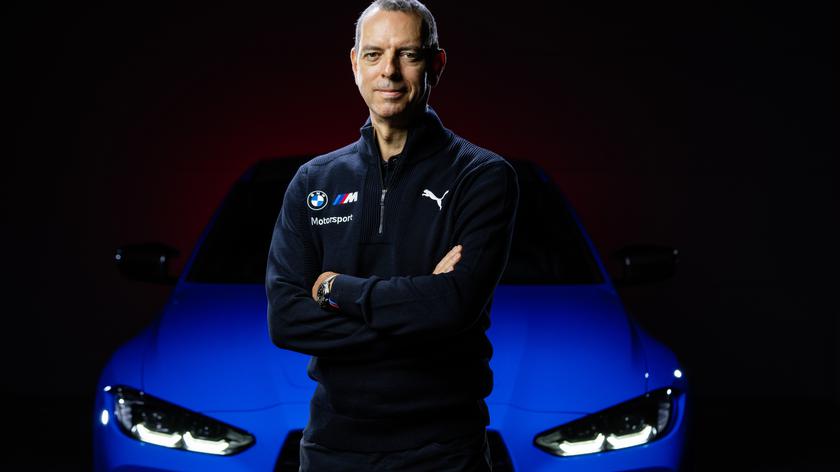
Frank van Meel, the head of BMW M, has shared a candid view on the future of manual gearboxes in the company’s high-performance lineup. He explained that from a pure engineering perspective, the traditional stick shift has lost much of its justification in modern sports cars. Today’s turbocharged inline-six and V8 engines produce tremendous torque that manual transmissions struggle to handle effectively. Advanced automatic systems, including dual-clutch units, simply outperform them in speed, efficiency, and overall capability.
The shift away from manuals stems from several practical realities. Automatics change gears faster than any human could manage, which translates to better acceleration and lower fuel consumption. With tightening emissions regulations across markets, every improvement in efficiency counts toward meeting strict CO2 targets. What once made manuals appealing, such as lighter weight and mechanical simplicity, no longer outweighs these drawbacks in high-performance applications.
Even so, BMW M recognizes the passionate group of drivers who cherish the hands-on experience of shifting gears themselves. Van Meel pointed out that the emotional appeal keeps manuals in the mix for now, particularly in models like the M2, M3, and M4. In some regions, such as the United States, a significant portion of buyers still opt for the manual option when available. The company intends to support this choice as long as customer demand holds strong and current components remain viable.
Looking further ahead, the picture grows more challenging for manual enthusiasts. Developing brand-new manual transmissions capable of coping with rising power levels has become expensive and complicated. Suppliers show little interest in investing in low-volume products as overall demand continues to shrink. The rise of electrification adds another layer, since fully electric performance cars eliminate traditional gearboxes entirely. BMW M is already working on electrified models, including an upcoming electric version of the M3 that promises to redefine sports car dynamics with multi-motor setups.
For the medium term, combustion engines like the inline-six and V8 will stick around in the M portfolio. These powerplants offer the best shot for manuals to linger, provided enough buyers keep requesting them. Models such as the M2 continue to see strong take rates for the stick shift in certain markets. Yet the combination of engineering limits, market trends, and the push toward hybrids and full electrics signals that the era of widespread manual availability in M cars may soon wind down.
The transition reflects broader changes in the automotive world, where performance increasingly prioritizes seamless power delivery and environmental compliance over nostalgic driving rituals. BMW M aims to balance respect for its heritage with the demands of future technology. Purists still have time to enjoy the current generation of cars equipped with manuals.
What are your thoughts on the future of manual transmissions in performance cars like those from BMW M? Share them in the comments.