BMW Prepares 30 New M Models in Major Performance Push, but Manual Transmissions Are Fading Away
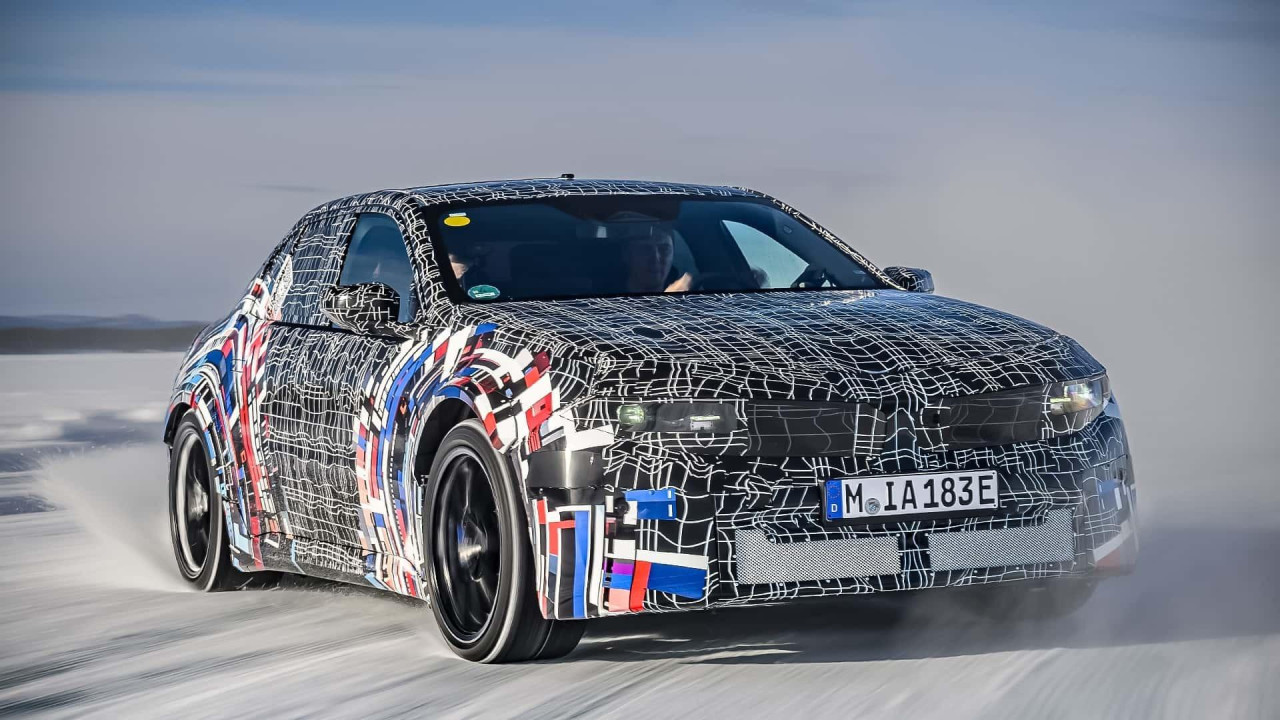
BMW M division is gearing up for an exciting period filled with fresh performance machines. The brand plans to roll out around 30 new or significantly updated M models by the end of the decade. This ambitious lineup will feature brand-new M cars, enhanced M Performance variants based on standard models, and refreshed versions of existing favorites. Frank van Meel, the head of BMW M, shared these details recently, highlighting how the company aims to keep delivering thrilling driving experiences across various segments.
This wave of new models fits into BMW’s larger strategy to introduce more than 40 updated or all-new vehicles by 2027. Expect to see the next-generation M3, including an electric variant, along with powerful versions of upcoming SUVs like the X5, X6, and X7. The redesigned M5 and M5 Touring are already generating buzz, while sports-oriented takes on models such as the iX3 and even a refreshed Series 7 with stronger performance options are in the works. BMW M continues to balance tradition with innovation, ensuring that inline-six and V8 engines remain available for fans who crave that classic sound and feel.
Electrification plays a growing role in the M lineup without completely replacing combustion power. Models like the i4 M60 have proven popular, particularly in regions where high CO2 taxes make electric performance cars more attractive financially. Buyers in places like France often face thousands of dollars in penalties for gasoline-powered sports models, pushing them toward efficient electric alternatives. Still, BMW M recognizes that many customers prefer the character of traditional engines, and charging infrastructure limitations in some areas support keeping internal combustion options alive.
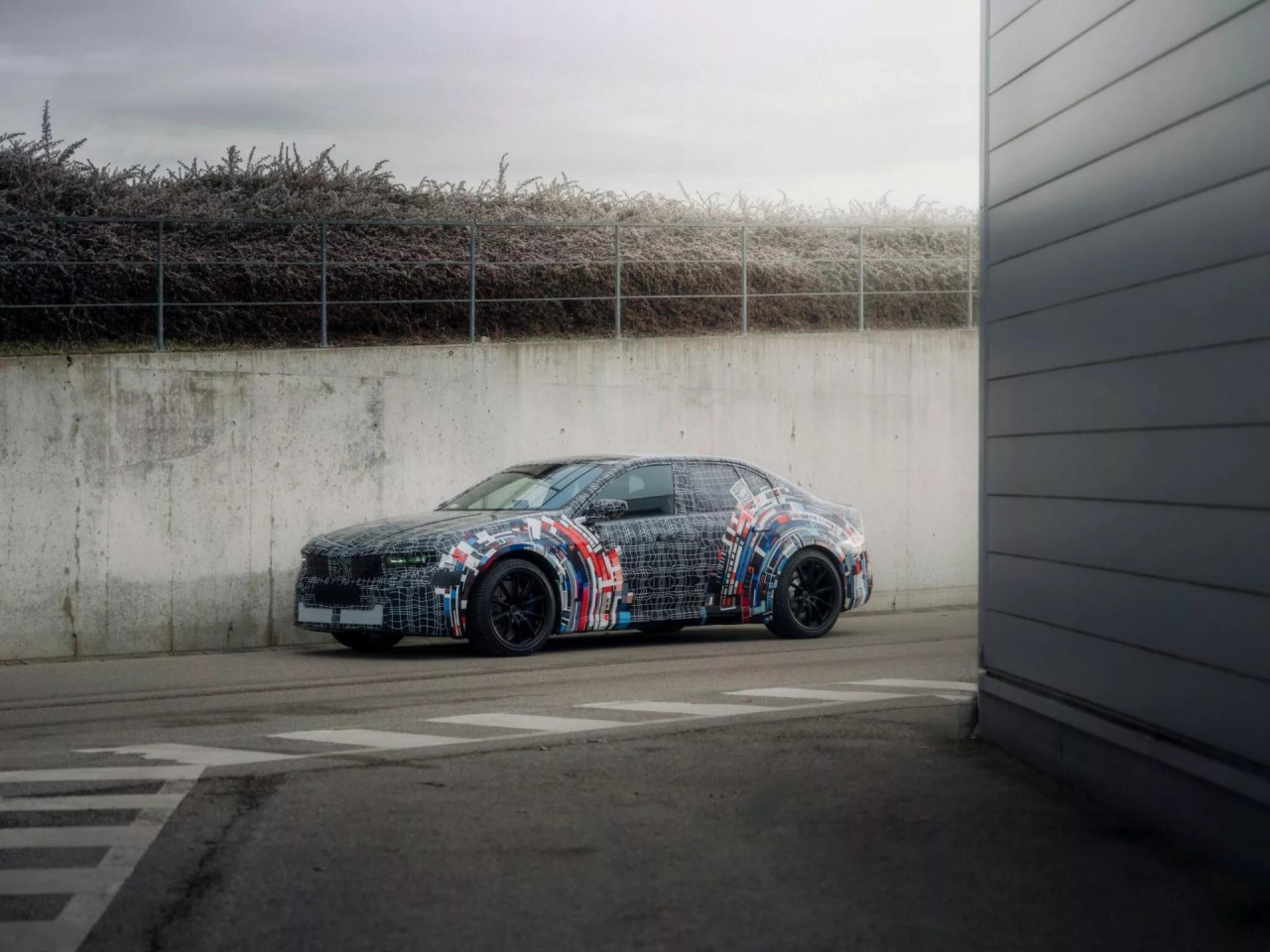
One bittersweet aspect of this future involves manual transmissions. Currently available in models such as the M2, M3, M4, and Z4, the stick shift appeals to a dedicated group of enthusiasts. Frank van Meel explained that from an engineering viewpoint, manuals no longer make much sense since they restrict torque handling and can hurt fuel efficiency compared to automatics. Demand has dropped over time, and suppliers show little interest in developing new manual gearboxes for such a small market segment. BMW M intends to preserve the option for the next couple of years out of respect for loyal customers and the emotional connection it provides.
The manual’s future looks challenging beyond that short window, especially as the lineup expands with more powerful hybrids and full electrics. While about half of M2 buyers in some markets still choose the manual, overall trends point toward automatics dominating for quicker shifts and better integration with advanced systems. BMW M remains committed to performance in all forms, blending heritage with forward-thinking technology to satisfy a wide range of drivers.
What do you think about the shift away from manual transmissions in future BMW M cars—share your thoughts in the comments.