Bosch and Microsoft Aim to Transform Cars Into Mobile Offices
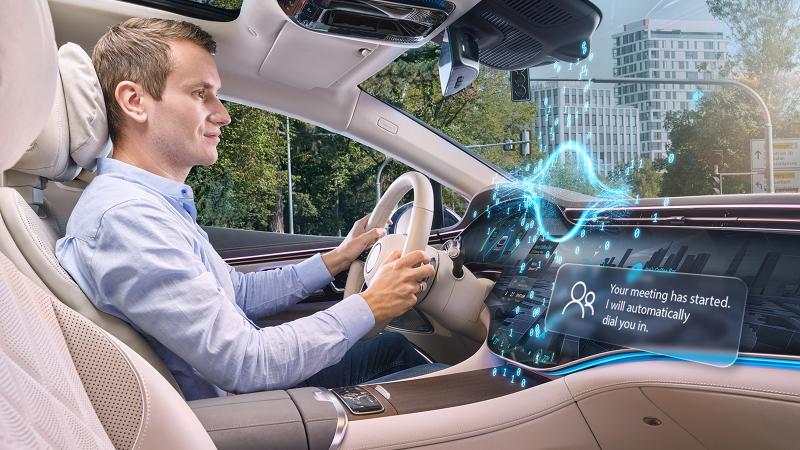
Two major technology giants are joining forces to revolutionize the way we interact with our vehicles, potentially turning the daily commute into a productive extension of the workplace. Bosch and Microsoft have announced a strategic partnership focused on integrating generative artificial intelligence into automotive systems. This collaboration aims to elevate the capabilities of voice assistants, making them far more intuitive and capable than the rigid systems drivers are used to today.
The core of this initiative involves leveraging the power of large language models to create a vehicle interface that understands natural speech and context. Instead of memorizing specific commands, drivers will soon be able to converse with their cars just as they would with a human passenger. The technology is designed to interpret vague statements such as “I’m cold” and automatically adjust the climate control, or answer complex questions about the vehicle’s maintenance status without needing to consult a manual.
Stefan Hartung, the chairman of the Bosch board of management, has highlighted the potential for this technology to change the driving experience fundamentally. During the announcement, he suggested that the goal is to bring a new dimension of AI applications into the vehicle, enhancing both convenience and safety. By utilizing Microsoft’s Azure OpenAI service, Bosch intends to give cars the ability to assess situations and react accordingly, acting as a true digital companion.
This vision of a highly intelligent, talking car draws immediate comparisons to famous sci-fi vehicles from pop culture. The executives involved have even referenced ‘Knight Rider’ and its iconic car, K.I.T.T., as a benchmark for what they hope to achieve. While the fictional car could jump over obstacles and fight crime, the real-world equivalent focuses on providing a seamless connection between the driver, the vehicle, and the digital world.
Tanja Rueckert, the chief digital officer at Bosch, emphasized that generative AI is a boost to innovation that will transform the industry much like the invention of the computer did. The system will not only handle infotainment tasks but also assist with vehicle functions, potentially identifying surroundings or explaining what a specific warning light means in plain English. As these technologies evolve, the line between a mode of transport and a mobile office continues to blur.
Tell us if you would welcome a smarter, more conversational assistant in your vehicle or if you prefer a simpler driving experience in the comments.