California EV Carpool Decal Program Enforcement Begins with $490 Fines
California’s Clean Air Vehicle decal program, a 25-year incentive for zero-emission vehicle adoption, enforces full compliance starting December 1, stripping solo drivers of high-occupancy vehicle lane access. Over 511,000 active decals issued by the Department of Motor Vehicles now become invalid for single-occupant use, following the expiration of federal authorization on September 30. The California Highway Patrol’s 60-day grace period concludes, transitioning to citations for violations amid stalled reauthorization efforts.
The program originated with Assembly Bill 71 in 2000, granting high-occupancy vehicle lane privileges to vehicles meeting stringent exhaust standards, later expanded to include battery-electric and plug-in hybrid models. By August 2025, 1,211,530 decals had been distributed statewide, targeting air quality improvements in regions like the Bay Area and Southern California. Federal law under Section 166 of Title 23 of the United States Code required congressional renewal, which Republican majorities in the House and Senate declined, aligning with the Trump administration’s revocation of electric vehicle tax credits. This decision overrides state-level extensions, including Assembly Bill 2678 signed by Governor Gavin Newsom in 2024 to prolong benefits through January 1, 2027.
Impacts ripple through daily commutes in traffic-congested corridors such as Interstate 405 in Los Angeles and Interstate 280 in San Francisco. Solo electric vehicle drivers face added travel times, with one owner projecting a 40-minute increase to an existing 75-minute route. The loss extends to FasTrak Clean Air Vehicle toll tags, which revert to standard FasTrak Flex configurations, eliminating discounts on Bay Area bridges—previously $4 instead of $8 on the Bay Bridge—and express lanes like the 91 Express Lanes. Enforcement targets restricted hours, typically 5 a.m. to 10 a.m. and 3 p.m. to 7 p.m. on weekdays, with the California Highway Patrol deploying 1,200 officers statewide for monitoring.
Fines commence at $490 for infractions, escalating with repeat offenses under Vehicle Code Section 21655.12. The California Air Resources Board, responsible for eligibility determinations based on zero-emission criteria, described the program as a “smart, cost-effective incentive that has played an important role driving the adoption of clean and zero-emission vehicles.” John Stringer, president of Tesla Owners of Silicon Valley with 6,000 members, called the change “a huge, huge bummer for EV enthusiasts,” noting it influenced purchase decisions for many. Bill Magavern, policy director for the Coalition for Clean Air, anticipates advocacy for reinstatement in the 2026 federal highway funding bill, though prospects remain uncertain given administration priorities favoring fossil fuels.
State agencies explore interim measures, including potential alignment with local express lane operators like the Metropolitan Transportation Authority for zero-emission exemptions. The program’s end coincides with broader federal rollbacks, such as blocking California’s 2035 mandate for zero-emission new vehicle sales. Electric vehicle registrations in California reached 1.2 million by mid-2025, representing 25 percent of new sales, underscoring the decal’s role in market penetration. Without renewal, projections indicate a 10 to 15 percent uptick in peak-hour congestion on monitored freeways, per California Department of Transportation models.
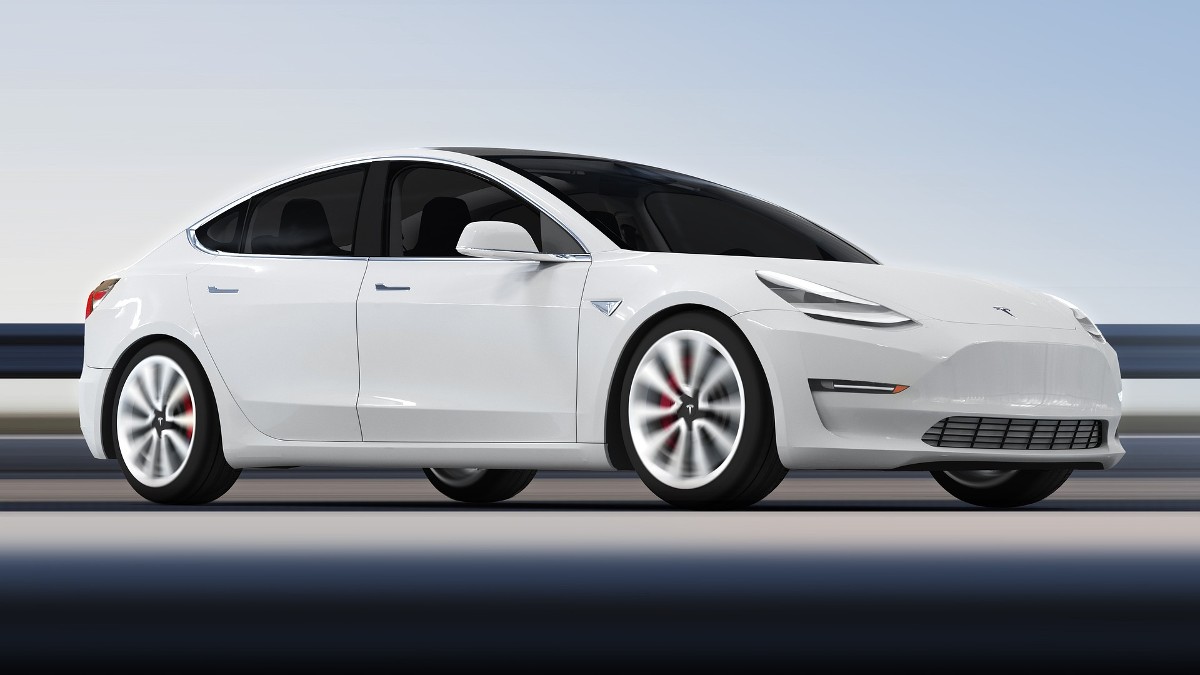
Advocates highlight equity concerns, as urban low-income drivers reliant on carpools for affordability now compete with displaced electric vehicle users. The Air Resources Board continues certifying eligible models, including the Chevrolet Bolt EV and Tesla Model 3, though new issuances halted August 29. Transitional guidance urges decal removal to avoid confusion, with the Department of Motor Vehicles processing 50,000 returns weekly since October. This shift tests California’s leadership in electric vehicle infrastructure, where 10,000 public charging stations support the fleet.
Long-term, the Coalition for Clean Air pushes for value pricing reforms in high-occupancy toll lanes, potentially offering dynamic discounts for zero-emission vehicles. Sacramento Electric Vehicle Association board member Katrina Sutton warned of broader effects: “It’s going to increase congestion not just for electric vehicle drivers, but for everyone in the community.” Federal inaction contrasts with 15 other states’ prior participation, all now defunct. California officials monitor compliance data, aiming for 90 percent adherence within three months through public awareness campaigns.