China Ends Mazda Monopoly By Developing Own Wankel Engine
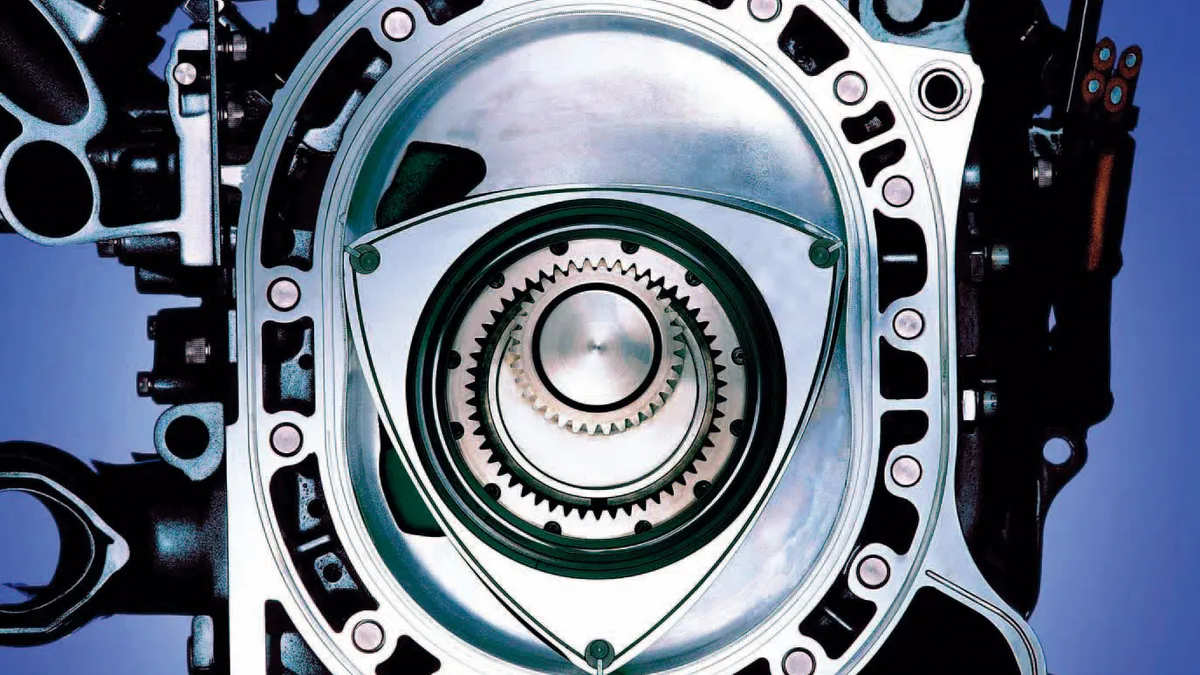
The rotary engine has long been considered a unique engineering marvel that transcended simple mechanics to become a legend in the automotive world. This compact and smooth powertrain uses a triangular rotor instead of conventional pistons and has been inextricably linked to Mazda for decades. From the classic ‘Cosmo’ to the celebrated ‘RX-7’ and the Le Mans-winning 787B racer, the Japanese automaker turned the Wankel design into its signature technology after German inventors moved away from it. However, the latest revival of this distinct engine concept is not emerging from Hiroshima or Germany but from China.
Chinese manufacturer Changan has officially introduced a new motor designated as the R05E which represents the first high-efficiency Wankel engine developed within the country. The project was initially announced in April through a collaboration with the engineering firm AVL and a functional prototype was displayed by December. Changan plans to commence serial production of this unit by 2027. This development marks a significant shift in the global landscape of engine manufacturing where China is aggressively expanding its technological capabilities.
Unlike Mazda’s historical applications that focused on powering sports cars and passenger vehicles, the new Chinese rotary engine has a different primary purpose. The R05E is specifically engineered for the so-called low-altitude economy which includes drones and eVTOL aircraft that operate below one thousand meters. China estimates that this emerging market sector could reach a value of over four hundred billion euros by 2035. The immense potential of this industry explains the sudden interest in lightweight and efficient power units like the Wankel.
Changan asserts that the rotary engine is an ideal choice for aviation applications due to its specific inherent advantages. When compared to traditional piston engines or certain electric powertrains, the Wankel offers a superior power-to-weight ratio along with smaller physical dimensions. It also operates with significantly less vibration and maintains stable characteristics under constant load. The R05E generates approximately 71 horsepower and can spin up to 6500 revolutions per minute while a more powerful version is already under development.
From a technical standpoint, the new engine utilizes an aluminum housing featuring a nanodiamond composite coating to minimize energy loss and friction. A single triangular rotor with a curved edge is connected to a lightweight eccentric shaft to ensure smooth operation. This design approach addresses some of the reliability concerns that plagued older rotary engines while maximizing their performance for aerial tasks. The focus on advanced materials suggests that Changan is serious about overcoming the historical hurdles associated with Wankel technology.
While it remains uncertain if the R05E will ever find its way into a mass-produced road car, its specifications suggest it could serve as an effective range extender for electric vehicles. Mazda currently utilizes a similar concept in its MX-30 R-EV where the rotary engine acts as a generator rather than driving the wheels directly. Changan has not confirmed any plans for automotive use yet but the technology is versatile enough to support various platforms. The revival of the rotary engine in such a high-tech sector proves that the concept still holds relevance in modern mobility.
Do you think this Chinese development will push Mazda to release a new rotary-powered sports car sooner? Share your thoughts in the comments.