China Introduces Acceleration Limits on Vehicles to Curb EV Performance Race
Chinese authorities announced new regulations capping vehicle acceleration to rein in excessive performance claims in the electric vehicle sector. The measures target pedal misapplication risks, mandating warning systems that detect unintended accelerator presses. Effective from July 1, 2026, the rules apply to all new passenger cars sold domestically and exported.
Under the Ministry of Industry and Information Technology guidelines, zero-to-100 km/h times cannot drop below specified thresholds based on vehicle weight and class. For cars under 1,500 kg, the limit stands at 3.0 seconds; vehicles between 1,500 and 2,000 kg face a 3.5-second cap; heavier models up to 2,500 kg allow 4.0 seconds. Exceeding these triggers mandatory redesigns, with non-compliance barring type approval.
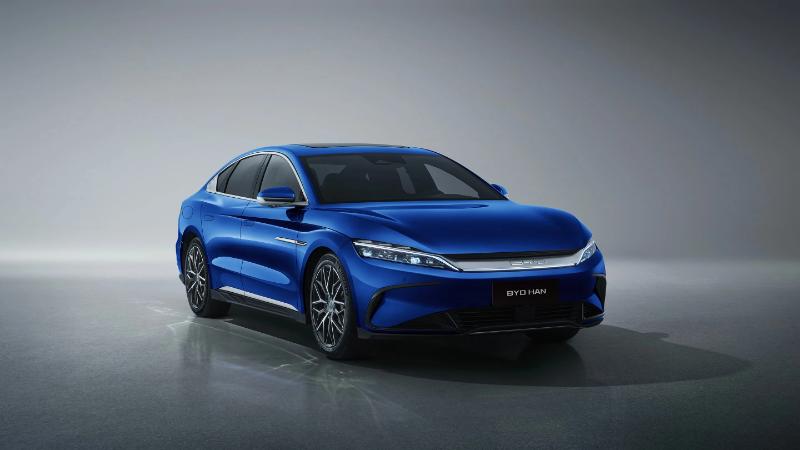
Pedal misapplication warnings form a core requirement, activating audio and visual alerts within 1.0 second of detecting full-throttle input without brake engagement. Systems must integrate with existing advanced driver assistance features, achieving 95 percent detection accuracy in simulated tests. The technology draws from existing unintended acceleration safeguards in models like the ‘BYD Han’ and ‘NIO ET7’, but extends to all EVs and hybrids.
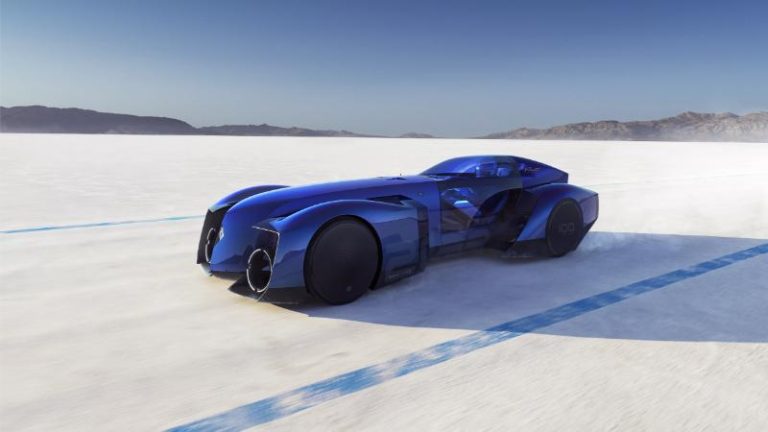
This intervention addresses a surge in high-performance EVs, where over 40 models now claim sub-3-second sprints, led by brands such as Xiaomi and Zeekr. Last year, average claimed acceleration fell to 4.2 seconds across new energy vehicles, down from 6.1 seconds in 2020, fueling marketing battles amid slowing sales growth. Regulators cite 1,200 annual accidents linked to pedal errors in 2024, with EVs overrepresented due to instant torque delivery from permanent magnet synchronous motors.
Export implications loom large, as the rules standardize safety for outbound shipments under China’s dual-credit system. Manufacturers like CATL and BYD, supplying 60 percent of global EV batteries, must retrofit production lines, potentially delaying 2026 launches by three to six months. The policy aligns with broader quality controls, following October’s recall of 1.3 million vehicles for software glitches in acceleration logic.
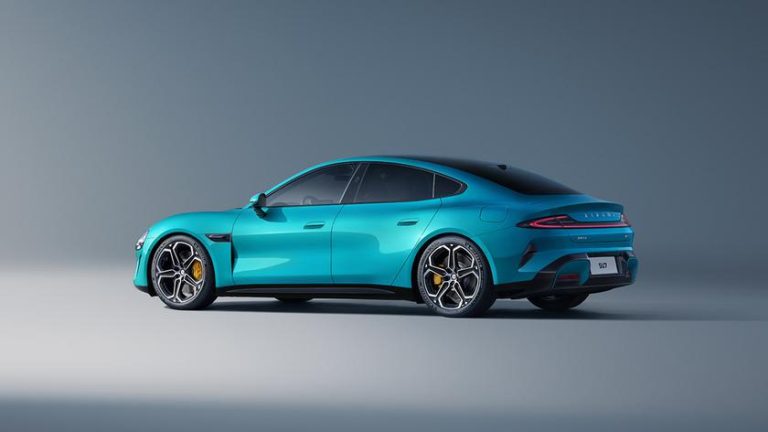
Industry analysts project minimal disruption to volume leaders, who already incorporate similar features. Geely’s ‘Zeekr 001’ tops 0-100 km/h in 3.8 seconds, fitting within limits, while Xiaomi’s ‘SU7 Ultra’ at 2.78 seconds requires throttling via software updates. Official statements emphasize public safety over innovation curbs, with MIIT Director Wang Haomin stating the changes “balance technological progress with responsible deployment.”
Domestic EV penetration hit 45 percent of new car sales through October, but growth slowed to 25 percent year-over-year from 89 percent in 2023. Acceleration caps may temper enthusiast appeal, shifting focus to range and charging speeds, where 800-volt architectures now enable 10-80 percent top-ups in 12 minutes. Foreign entrants like Tesla face adaptation, as their ‘Model S Plaid’ 2.1-second sprint exceeds caps, necessitating region-specific tuning.
The regulation underscores China’s pivot from raw performance to holistic safety in its EV dominance. With 9.5 million new energy vehicles sold domestically last year, such measures aim to sustain consumer trust amid international scrutiny on export quality. Parallel efforts include mandatory over-the-air update protocols for all connected vehicles by 2027, enhancing remote diagnostics for acceleration-related faults.