China Is Resetting the Automotive Industry by Ending Touchscreen-Only Designs and Futuristic Steering Wheels
The automotive world is experiencing a major shift, and it’s coming straight from China. After years of pushing boundaries with massive touchscreens and minimalist interiors that caught on globally, Chinese regulators are now pulling things back toward practicality and safety. New rules set to take effect on January 1, 2027, from the Ministry of Industry and Information Technology are mandating physical controls for essential functions. This move addresses growing concerns about driver distraction and injury risks in modern car designs.
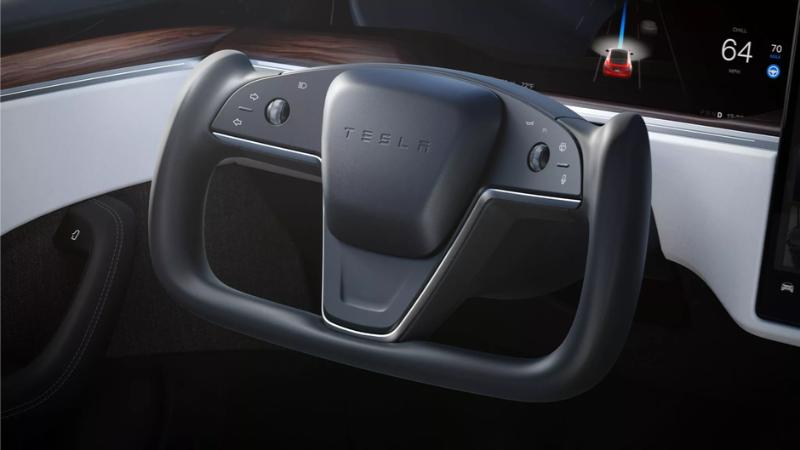
One of the biggest changes targets steering wheels. Traditional round designs are making a comeback because yoke-style wheels, popularized by brands like Tesla and Lexus, simply don’t meet the new impact testing requirements. These tests check ten specific points around the entire rim for protection during crashes. Data shows that nearly half of all driver injuries in accidents involve the steering mechanism, making a full rim crucial for better safety outcomes.
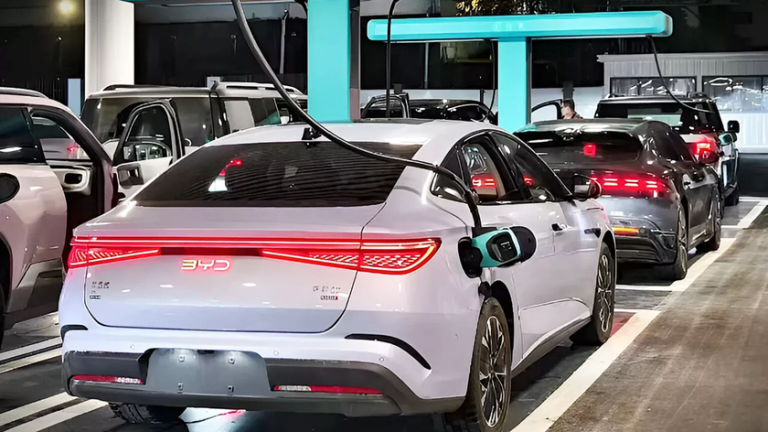
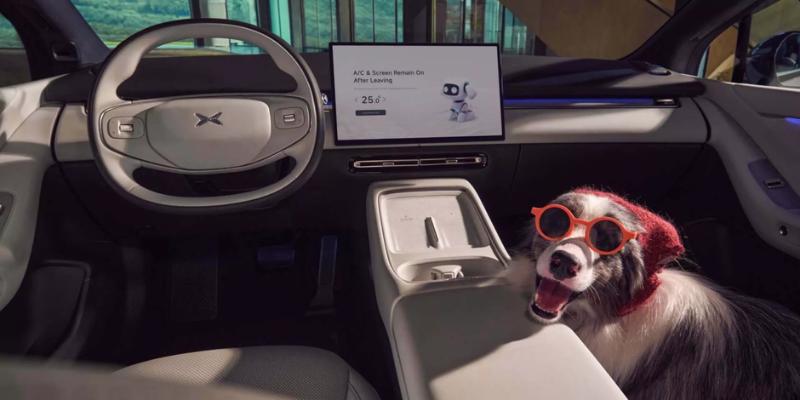
Touchscreens have dominated dashboards in recent models from companies like BYD and Xiaomi, often replacing almost all physical switches. Under the upcoming regulations, critical features such as turn signals, hazard lights, gear selection, and emergency calls must have dedicated buttons at least 10 by 10 millimeters in size. Large central displays can still exist, but they won’t be enough on their own for top safety scores. This ensures drivers can operate key systems without looking away from the road for too long.
Hidden or electronic door handles are also on the way out due to reliability and safety issues in emergencies. For vehicles with advanced autonomous driving capabilities at level three or four, manufacturers now need to prove their systems perform as well as a skilled human driver. If something goes wrong or the driver ignores a handover request, the car must automatically reach a safe stop. These standards aim to prevent accidents caused by overreliance on technology.
What’s fascinating is the irony in all this. China was at the forefront of adopting and exporting these sleek, screen-heavy interiors that influenced designs worldwide. Brands like Xpeng and others experimented heavily with futuristic concepts to stand out in a competitive market. Consumer feedback and real-world safety data have apparently tipped the scales, prompting regulators to prioritize ergonomics over flashy innovation.
This regulatory push isn’t limited to Chinese brands alone. Global automakers can’t ignore the world’s largest car market, where millions of vehicles are sold each year. Creating separate versions just for China would be costly and inefficient. As a result, we’re likely to see more physical buttons, traditional steering wheels, and balanced interfaces appearing in cars everywhere.
The emphasis on tangible controls reflects a broader lesson in automotive design. While technology offers exciting possibilities, it shouldn’t compromise basic usability or safety. Drivers need intuitive access to essentials, especially in high-stress situations. This reset could lead to more reliable and user-friendly vehicles across the board.
Many industry watchers see this as a healthy correction after a period of excess minimalism. Cars should enhance the driving experience without introducing unnecessary risks. As manufacturers adapt, expect a wave of redesigned interiors that blend modern features with proven physical elements. It’s a reminder that sometimes going back to basics is the smartest way forward.
What do you think about this return to physical buttons and round steering wheels in cars? Share your thoughts in the comments.