Chinese Automaker Successfully Develops Rotary Engine With Production Set To Begin
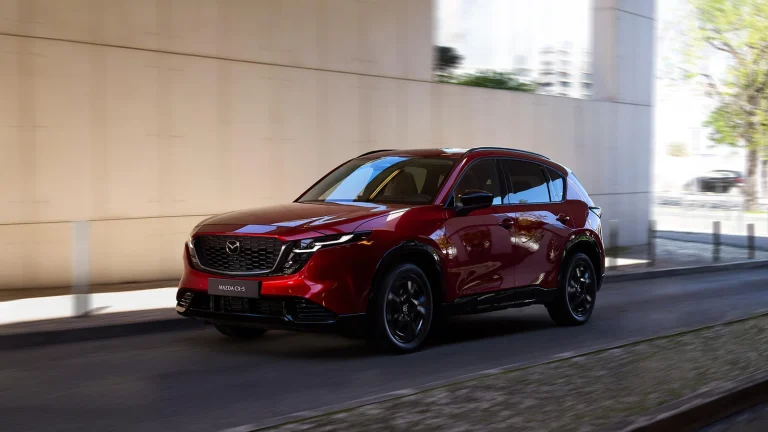
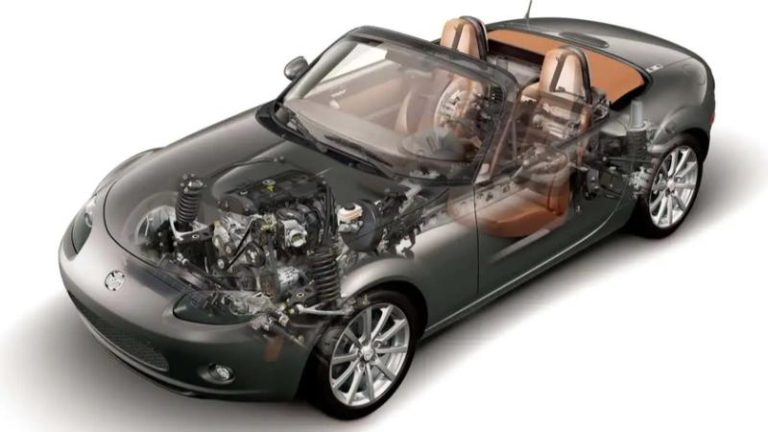
For decades, the automotive world has associated the rotary engine almost exclusively with one brand: Mazda. The Japanese manufacturer kept the unique Wankel technology alive through its RX series and recent range-extender implementations. However, that monopoly appears to be ending, as a major Chinese manufacturer has successfully developed its own rotary powertrain.
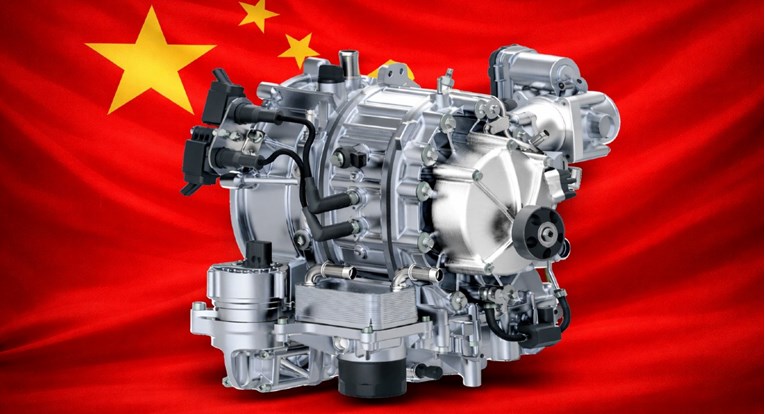
Harbin Dongan Auto Engine, a subsidiary of the state-owned Changan Automobile Group, recently unveiled a new rotary engine designated as the ‘R05E’. This development marks a significant shift in the powertrain landscape, proving that interest in the compact, high-revving design extends beyond Japanese engineering circles. The project, which was originally announced in April of this year, moved rapidly to the stage where a functional prototype was presented on December 19.
The technical specifications of the ‘R05E’ reveal a unit designed with modern efficiency in mind rather than pure sports car performance. The engine features a single triangular rotor housed within a cast aluminum casing. To address the traditional rotary issues of wear and sealing, the engineers utilized a nanodiamond composite (NDC) coating to significantly reduce friction and energy loss.
In terms of output, the new motor generates approximately 72 horsepower and is capable of reaching engine speeds of 6,500 rpm. While these numbers might seem modest compared to the turbo rotaries of the past, the engine is not intended to drive the wheels directly. Instead, it is designed to function as a range extender, acting as a generator to charge the battery pack in electric vehicles. This application plays to the inherent strengths of the rotary design, which include compact packaging and low vibration levels.
Changan is one of China’s “Big Four” automakers and notably maintains a strategic partnership with Mazda in the Chinese market, helping the Japanese brand distribute its vehicles. Despite this close business relationship, official reports state that Mazda was not involved in the development of the ‘R05E’. This suggests that Changan’s engineers have independently overcome the complex engineering hurdles that have historically plagued Wankel engines.
The rapid progression from announcement to prototype suggests that mass production could follow relatively soon, offering a new lease on life for a technology many considered obsolete. As the industry shifts toward electrification, the rotary engine may have found its ideal role as a support system for EV architectures.
Do you think rotary engines are the best solution for extending the range of electric vehicles? Share your thoughts in the comments.