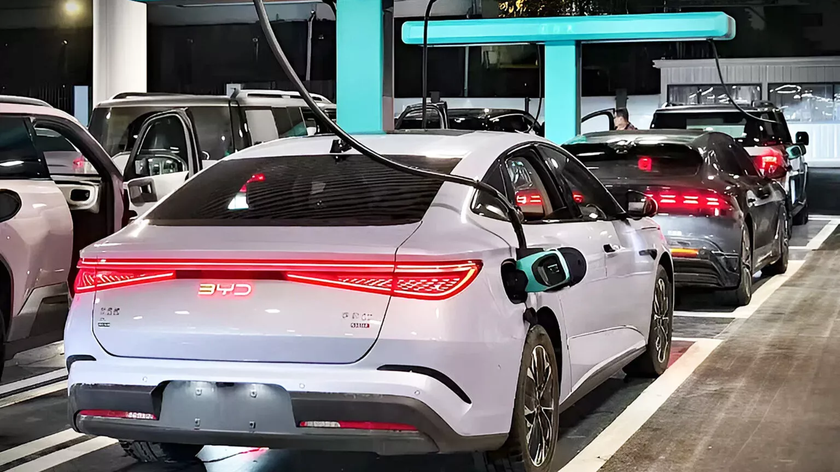
Chinese Company Tests Ultra-Fast Chargers Arranged Like Gas Station Pumps
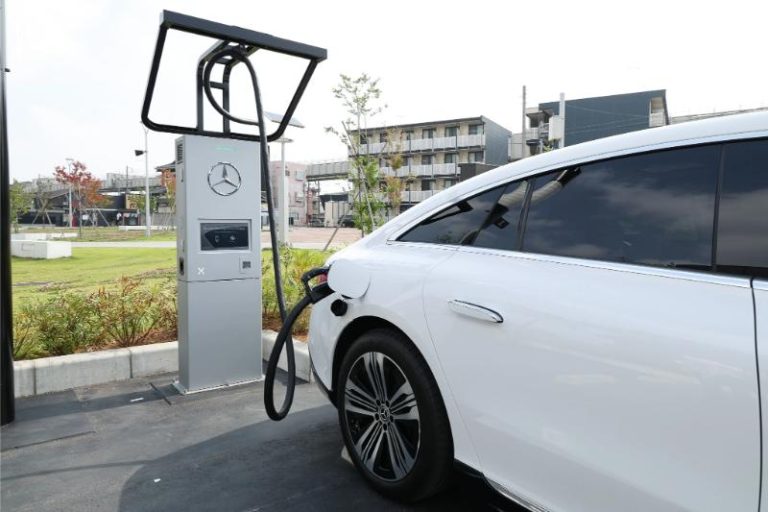
BYD, the major Chinese electric vehicle maker from Shenzhen, is pushing boundaries with ultra-fast charging technology that feels remarkably similar to filling up at a traditional gas station. Their latest demonstration setup features chargers capable of delivering up to 1500 kilowatts of power, nearly four times stronger than the quickest public options commonly found in Europe or the United States. These stations are laid out in neat rows, just like fuel pumps, allowing multiple vehicles to pull in, charge quickly, and move on without long waits. The arrangement helps keep traffic flowing smoothly and shortens the time each driver spends at the location.
The standout feature is how much range these chargers add in a short time. In just five minutes, a compatible vehicle can gain around 400 kilometers of driving distance, which transforms the whole experience of owning an electric car. Charging begins almost instantly after plugging in, often within ten seconds, and requires no apps, cards, or complicated authentication steps. Liquid-cooled cables handle the massive power without overheating, keeping everything safe and efficient during the process.
This technology relies on a 1000-volt architecture that enables such high speeds, though right now it works only with specific BYD models equipped for flash charging. Upcoming versions of popular models like the Tang, Song, and Seal are set to take full advantage of these capabilities. Most current electric vehicles, even those with strong fast-charging specs, cannot sustain anywhere near 1500 kilowatts for long, and typical public chargers top out around 400 kilowatts in many regions.
The demonstration takes place in Shenzhen, where BYD has set up the station as a proof of concept. Plans call for building more than 4000 of their own ultra-fast charging locations across China, supplemented by partnerships to expand the network further. This aggressive rollout aims to make long trips in electric vehicles as hassle-free as those in gasoline-powered ones.
One big advantage comes from rethinking battery size and vehicle design. With the ability to add hundreds of kilometers so rapidly, cars no longer need enormous, heavy battery packs to cover everyday needs. Smaller batteries mean reduced weight, lower production costs, and improved overall efficiency. Drivers experience far less range anxiety when a quick stop delivers substantial range, making electric mobility feel truly practical for daily use and road trips alike.
At the test site, electricity costs roughly the equivalent of 0.17 euros per kilowatt-hour, which is notably lower than many fast-charging rates in Europe. Some perks for owners of compatible models might include free or discounted charging, though specifics remain in development. The focus remains on convenience and speed, turning what was once a lengthy chore into something quick and straightforward.
This approach signals a shift in how people view electric vehicles. When charging becomes this fast and station layouts mimic familiar gas stations, the differences between electric and conventional cars shrink dramatically. Infrastructure is evolving rapidly to support widespread adoption, addressing one of the main barriers that has held back many potential buyers.
What do you think about ultra-fast chargers arranged like gas pumps making electric driving more convenient, share your thoughts in the comments.