Chinese EV Giant BYD Challenges US Tariffs in Court to Secure Market Access
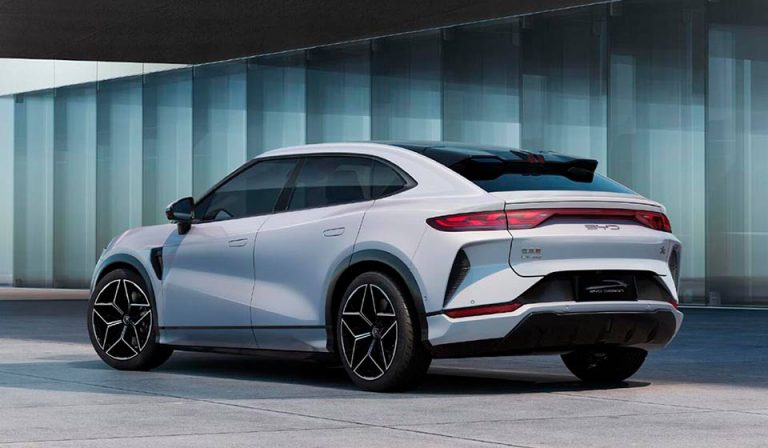
The Chinese electric vehicle powerhouse BYD has long set its sights on the massive American consumer market, but steep import tariffs have kept its passenger cars out of reach for years. Now, the company is taking a direct legal route to change that by filing a lawsuit against the United States government. Four BYD subsidiaries based in the US have brought the case to the Court of International Trade, arguing that recent tariff hikes exceed the president’s authority under existing laws. This move highlights just how seriously BYD views the potential of selling its affordable EVs to American drivers.
At the heart of the dispute are tariffs imposed through the International Emergency Economic Powers Act, which BYD claims were applied improperly. The lawsuit targets multiple executive orders issued since early 2025, including those affecting trade with China, Mexico, and Canada. The company wants a permanent block on these duties, plus refunds on any payments already made along with interest and legal fees covered. Defendants named in the suit include key agencies like the Department of Homeland Security, Customs and Border Protection, the Office of the US Trade Representative, and the Department of the Treasury.
BYD is not starting from scratch in the United States, which strengthens its position. The company already runs a large manufacturing facility in Lancaster, California, where it builds electric buses on a site covering more than 538,000 square feet and employing around 500 people. This established presence in commercial vehicles shows that BYD has successfully navigated American regulations before. Expanding into passenger cars would be a natural progression for a brand that dominates EV sales in many other regions around the world.
Legal experts point to a promising precedent for BYD’s approach. A previous case involving New York wine importer V.O.S. Selections successfully argued that presidential tariff powers have limits, even under emergency economic laws. If the court agrees with similar reasoning here, it could weaken the barriers not just for BYD but for other Chinese automakers as well. The decision might reshape how trade restrictions are enforced in the automotive sector moving forward.
Industry observers see this lawsuit as part of a growing pattern among Chinese firms. Sun Xiaohong from the China Chamber of Commerce for Import and Export of Machinery and Electronic Equipment noted that businesses are increasingly turning to judicial systems to defend their global interests. For BYD, already a leader in Europe, Latin America, and Asia, cracking the US market remains a top priority despite ongoing trade tensions. A favorable ruling could accelerate the availability of its competitive electric models to American buyers.
The stakes are high in this legal battle, as it touches on broader issues of international trade and electric vehicle adoption. American consumers stand to benefit from more choices and potentially lower prices if affordable Chinese EVs enter the fray. At the same time, domestic manufacturers worry about intensified competition. BYD’s aggressive strategy underscores the shifting dynamics in the global auto industry.
This case could influence the future of EV options available in the United States for years to come. Many are watching closely to see if legal challenges can overcome policy barriers built on national security and economic concerns. The outcome might encourage more companies to follow suit when facing similar restrictions.
Share your thoughts on whether BYD should gain easier access to the US market in the comments.