Chinese EV Owner Puts 165,000 Miles on Xiaomi SU7 and Battery Barely Ages
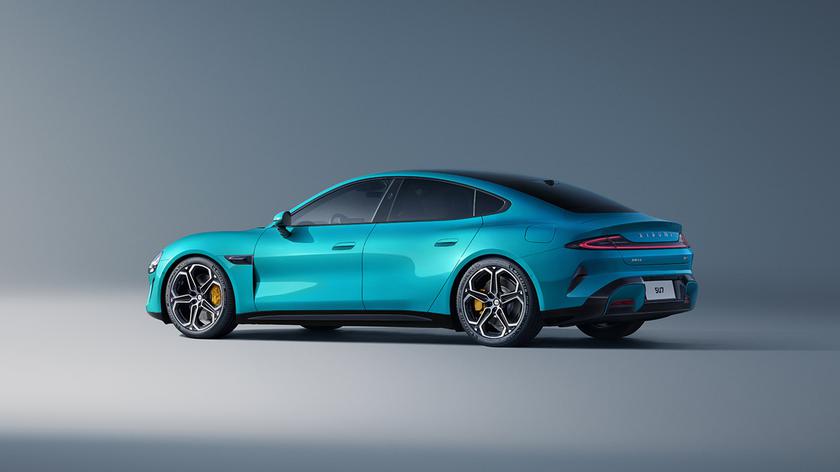
Electric vehicles often face questions about long-term battery health, especially with intensive daily use. One driver in China pushed a Xiaomi SU7 Pro to the limit, racking up more than 165,000 miles in just 16 months. That kind of mileage averages around 373 miles per day, far beyond what most owners experience. The results from an official service inspection highlight just how resilient modern EV batteries can be.
The car in question is the Xiaomi SU7 Pro, equipped with a 94.3 kWh lithium-iron-phosphate battery supplied by CATL. This Shenxing pack is designed for durability, and it showed impressive performance after the grueling test. Testing revealed the battery still holds 94.5 percent of its original capacity, meaning only about 5.5 percent degradation over the entire distance. For context, many manufacturers warranty batteries to retain 70 to 75 percent after eight years or around 100,000 miles.
Over the 476 days of ownership, the vehicle consumed roughly 47,800 kWh of electricity. The rear-mounted electric motor delivers 295 horsepower and 295 pound-feet of torque, contributing to a claimed range of about 516 miles under the Chinese CLTC testing cycle. Real-world driving at such high volumes did not seem to strain the powertrain excessively. Regenerative braking played a big role in preserving other components too.
One standout detail is that the brake pads have never needed replacement. Heavy reliance on regeneration means mechanical brakes see far less wear in electric cars. The cooling system also remained clean with no signs of contamination, which helps maintain efficient thermal management. These factors combine to keep maintenance costs low over time.
Financially, the owner estimates saving more than $13,000 in fuel costs compared to running a similar gasoline-powered vehicle. Electricity proved far cheaper than filling up with gas, especially with the high annual mileage. This kind of real-world example demonstrates the potential economic advantages of switching to an EV for heavy drivers. It also challenges common concerns about battery replacement expenses down the line.
Lithium-iron-phosphate chemistry, like the CATL pack used here, is known for resisting degradation better than some other types. The battery endured well over 500 charge-discharge cycles without significant loss. Such performance suggests these cells can handle demanding conditions while maintaining reliability. Stories like this provide valuable insight into how far EV technology has come.
The Xiaomi SU7 Pro continues to perform strongly overall, with no major issues reported from the intense usage. Components beyond the battery held up well, reinforcing the idea that electric drivetrains reduce wear on traditional parts. As more data emerges from high-mileage owners, it builds confidence in the longevity of these vehicles. This case stands out as a strong endorsement for Chinese-made EVs in particular.
Real-world tests like this one offer a clearer picture than lab estimates alone. They show what happens when an electric car faces constant highway miles and frequent charging. The minimal degradation here exceeds typical expectations and highlights advances in battery engineering. It is encouraging for anyone considering an EV for long-distance or heavy-duty needs.
Share your thoughts on high-mileage EV experiences or battery longevity in the comments.