Cold Weather Drastically Reduces Electric Vehicle Range
Electric vehicles often boast impressive driving ranges under ideal conditions, making them appealing for everyday use and long trips. However, when winter arrives with freezing temperatures, those numbers can drop significantly, catching many owners off guard. A recent rigorous test conducted by Norway’s Motor magazine highlighted this issue in one of the world’s toughest real-world evaluations. The winter edition pushed 24 different EV models to their limits in extreme cold, revealing just how much performance can suffer.
The test took place in conditions that plunged to around minus 24 degrees Fahrenheit, marking it as the coldest run yet. Drivers followed a set route until each vehicle could no longer keep up the required speed, simulating demanding highway travel. This approach goes far beyond standard lab ratings, which are measured in controlled environments around mild temperatures. As a result, the real-world winter ranges showed substantial gaps compared to official figures.
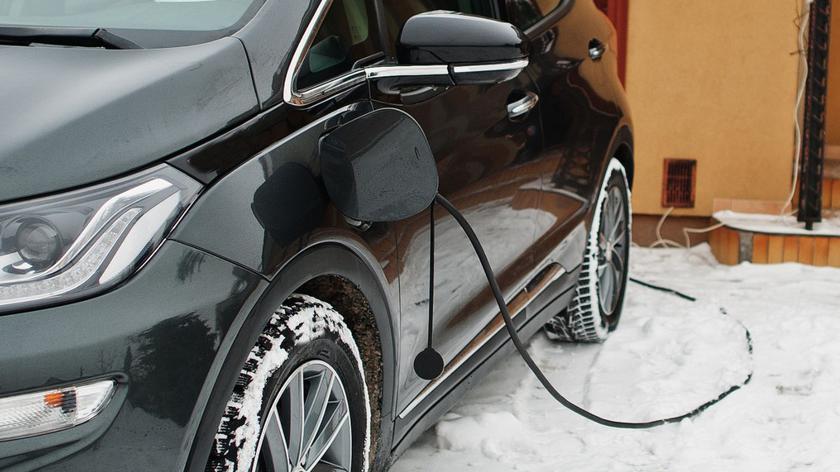
Cold weather impacts electric cars in several ways that directly cut into battery performance. Low temperatures slow down the chemical reactions inside battery cells, reducing their efficiency and available energy. Heating the cabin also draws a lot of power, since EVs lack the waste heat from traditional engines. Models equipped with advanced heat pumps or superior battery warming systems tended to fare better, losing less overall range.
Among the standout performers, the MG 6S EV and Hyundai Inster managed to retain the most range, with losses around 29 percent. The MG IM6 followed closely at 30 percent, while the KGM Musso saw about 31 percent. These vehicles demonstrated how efficient thermal management can make a noticeable difference in harsh conditions. On the other end, several models struggled more, highlighting variability across brands.
The biggest drops came from cars like the Opel Grandland and Lucid Air, both losing 46 percent of their rated range. For instance, the Lucid Air started with an official 597 miles but achieved only about 323 miles in the test. The Volvo EX90 wasn’t far behind at 45 percent loss, dropping from 380 miles down to roughly 211 miles. Even popular options like the Tesla Model Y saw a 43 percent reduction, going from 391 miles to around 223 miles.
Smaller-range vehicles felt the pinch especially hard in percentage terms. The Suzuki eVitara, rated at 245 miles normally, managed just 139 miles in the cold, marking one of the steepest declines. Higher-end models such as the Mercedes-Benz CLA fell 41 percent, from 441 miles to about 262 miles. These examples underscore that no EV is immune, though some designs handle winter better than others.
For anyone living in colder regions or planning winter road trips, these findings serve as an important reminder. Official range estimates provide a useful baseline for comparisons, but they don’t always reflect everyday challenges like snow and ice. Buyers should factor in potential reductions when choosing a model, especially for longer journeys. Advances in battery technology and heating efficiency continue to improve this, but real-world testing like Norway’s remains eye-opening.
Share your own experiences with electric vehicle range during winter in the comments.