Common Winter Mistake That Destroys Your Car Battery Starts At Ignition
As the temperature drops significantly during the winter months, drivers everywhere face a familiar and frustrating scenario. You rush to your vehicle on a freezing morning and turn the key or press the start button only to hear a sputtering cough or complete silence. The car battery is widely considered the weakest link in a vehicle when the cold weather sets in. It is the most common cause of breakdowns during the winter season because low temperatures drastically reduce its ability to hold a charge. This chemical slowdown happens exactly when the engine requires more power than usual to turn over due to thickened oil.
Many motorists unknowingly make the situation worse by committing a critical error the moment they sit in the driver’s seat. The mistake involves how we manage the electrical consumers in our vehicles before the engine is even running. Drivers often leave high-energy features like heated seats, rear window defrosters, and strong climate control fans switched on from their previous drive. Trying to crank a cold engine while these demanding systems are drawing power puts an immense strain on an already weakened battery. This combination creates the perfect storm for a failure that leaves you stranded in your driveway.
The solution to this problem is a simple habit change that costs nothing but can extend the life of your battery significantly. You must ensure that all auxiliary electrical systems are completely turned off before you attempt to start the car. This includes the radio, headlights, wipers, and especially the heating elements that draw high current. Once the engine is running smoothly and the alternator is generating electricity, you can safely turn on your seat warmers and defrosters. This practice reduces the initial load and allows the battery to focus all its remaining energy on the vital task of ignition.
Another factor that contributes to winter battery death is the frequency and length of your drives. Short trips are particularly damaging because the alternator needs time to replenish the significant amount of energy used to start the car. If you only drive for ten minutes to the grocery store and back, the battery never gets fully recharged. Over time, this creates a deficit that eventually leaves the battery too flat to start the engine. Experts suggest that taking a longer drive once a week can help ensure the charging system does its job properly.
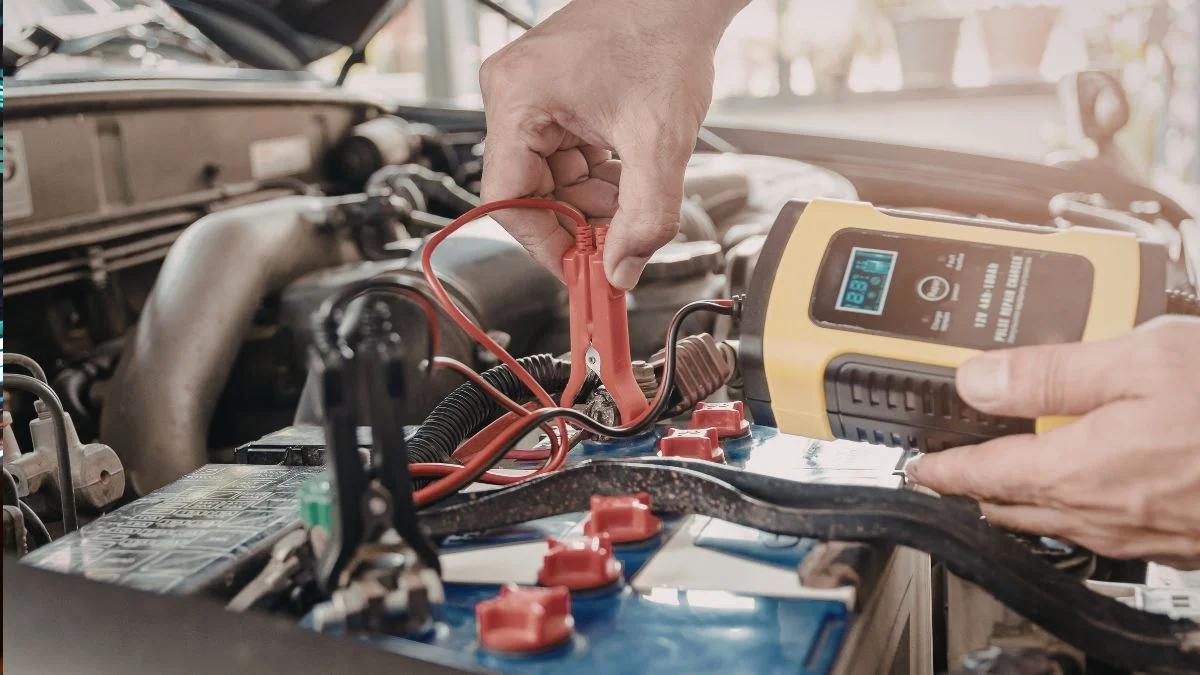
For those who do not use their vehicles often, experts recommend investing in a maintenance charger to keep the voltage optimal. This device plugs into a standard outlet and slowly feeds power to the battery to counteract the natural discharge that happens in cold weather. It is a smart way to avoid the surprise of a dead car if you plan to leave it parked for several days. Regular maintenance checks at a service center can also detect a failing unit before the first deep freeze arrives. They can test the cold cranking amps to see if your unit is still up to the task.
Parking your vehicle in a garage or under a shelter is another effective way to protect the electrical system. Even a simple roof can keep the temperature slightly higher than the open air and protect the car from wind chill. Every degree of warmth helps preserve the chemical efficiency inside the battery cells. Taking these small precautions can make the difference between a reliable commute and waiting hours for a tow truck in the snow.
Let us know what winter car maintenance tips you rely on to keep your vehicle running smoothly in the comments.