Cupra Tavascan Becomes First China-Produced Electric Vehicle Exempt from EU Tariffs
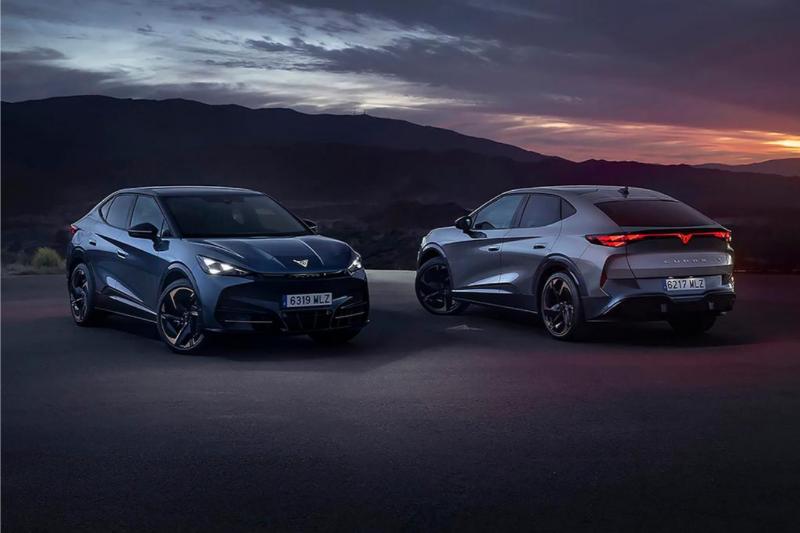
The European Union has made a noteworthy decision by granting an exemption from import tariffs to the Cupra Tavascan, a stylish electric SUV coupe built in China by the Volkswagen Group. This marks the first time a vehicle manufactured in China has qualified for such relief under a recently introduced framework designed to ease ongoing trade frictions between Brussels and Beijing. The move highlights a pragmatic shift in how the EU handles electric vehicle imports while encouraging investments that benefit the European market. For Volkswagen, this exemption provides a significant boost by preserving healthier profit margins on a model that otherwise faced steep duties.
At the heart of this agreement, Volkswagen committed to selling the Cupra Tavascan at or above an agreed minimum import price across the EU. The company also pledged to adhere to a specific import quota and to channel substantial investments into battery electric vehicle projects within Europe. These conditions allowed the Tavascan to sidestep the 20.7 percent countervailing tariff that had been applied to it back in 2024, on top of the standard 10 percent duty. Produced at a major facility in Anhui where Volkswagen has poured billions of dollars, the Tavascan represents a key part of the group’s expanding electric lineup.
This development stems from a new EU mechanism rolled out just last month, enabling automakers to apply for model-specific tariff exemptions on China-made electric vehicles. By meeting criteria like price commitments and local investment promises, manufacturers can avoid penalties aimed at countering subsidized competition. The Tavascan case sets a precedent that could guide similar requests from other players, including major Chinese brands looking to grow their presence in Europe. It reflects a balanced approach where protection for domestic industry coexists with opportunities for foreign capital and technology transfer.
For buyers interested in electric mobility, the Cupra Tavascan stands out as a compact sports SUV with dynamic design and performance credentials that appeal to enthusiasts. Built on proven electric architecture, it combines sleek coupe styling with practical SUV elements, making it a compelling option in a crowded segment. The tariff relief could help keep its pricing competitive in European showrooms, especially as demand for premium electric models continues to rise. Volkswagen’s success here underscores the value of collaboration in navigating complex international trade rules.
Broader implications extend beyond just one model, as this exemption signals potential thawing in EU-China automotive relations. After years of escalating tensions over subsidized exports flooding the market, both sides appear open to negotiated solutions that prevent outright trade escalation. Other global automakers with production in China may now pursue similar deals, potentially stabilizing supply chains and pricing for consumers. Meanwhile, the requirement for European investments ensures that benefits flow back to the region, supporting jobs and innovation in battery technology.
The Cupra Tavascan itself embodies the growing sophistication of electric vehicles emerging from Chinese facilities, often through joint ventures with Western brands. Its approval under this system demonstrates how regulatory hurdles can be overcome with clear commitments. As electric adoption accelerates, such arrangements might become more common, fostering a more integrated global market. This first-of-its-kind exemption could pave the way for increased choices and potentially lower costs for European drivers seeking high-quality electric options.
Overall, the decision represents a win-win scenario in a challenging landscape, balancing trade fairness with practical cooperation. Volkswagen gains breathing room for its Chinese-built model, while the EU secures promises that strengthen its own electric vehicle ecosystem. As more details emerge on future applications, the automotive world will watch closely to see how this model influences the broader flow of electric cars across borders. This evolving dynamic highlights the intricate interplay between policy, investment, and consumer benefits in the shift to sustainable transport.
What are your thoughts on whether more China-made electric vehicles should receive similar exemptions, and how might this affect the European market? Share them in the comments.