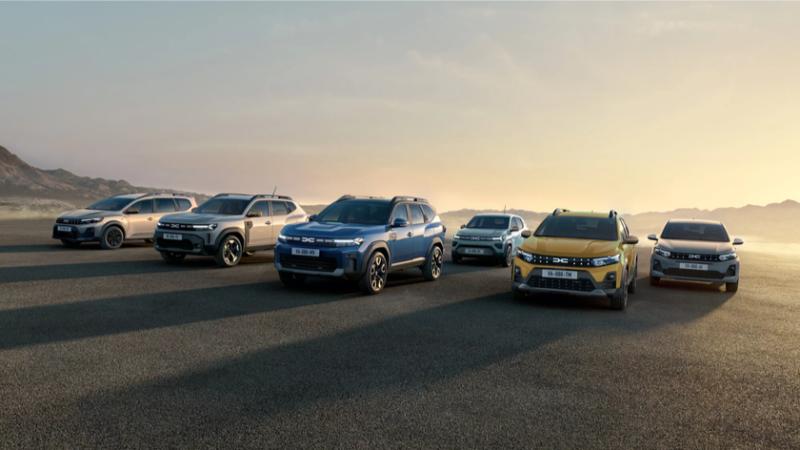
Dacia Refreshes Sandero, Duster, Jogger, and Spring with Major Updates
Dacia is rolling out one of its most significant technical overhauls in recent memory for the 2026 model year. The popular lineup including Sandero, Duster, Jogger, and Spring gains fresh powertrains that boost performance, efficiency, and appeal. While exterior tweaks remain subtle to preserve the brand’s straightforward character, the real excitement lies beneath the surface with smarter hybrids, stronger LPG setups, and enhanced electric options. These changes arrive just as buyers seek affordable yet modern mobility solutions. Enthusiasts can expect these updated models to hit markets soon.
The Sandero benefits from a noticeable upgrade in its LPG offering. The new Eco-G 120 replaces the older Eco-G 100, delivering 120 horsepower from a larger 1.2-liter three-cylinder turbo engine. For the first time, Dacia pairs this gas-friendly setup with a six-speed dual-clutch automatic transmission, making everyday driving smoother for those who prefer not to shift gears manually. The LPG tank capacity has grown, promising up to 20 percent more range on gas and a combined distance exceeding 1400 kilometers. Subtle exterior refinements include a new light signature and updated body details that give the car a crisper appearance.
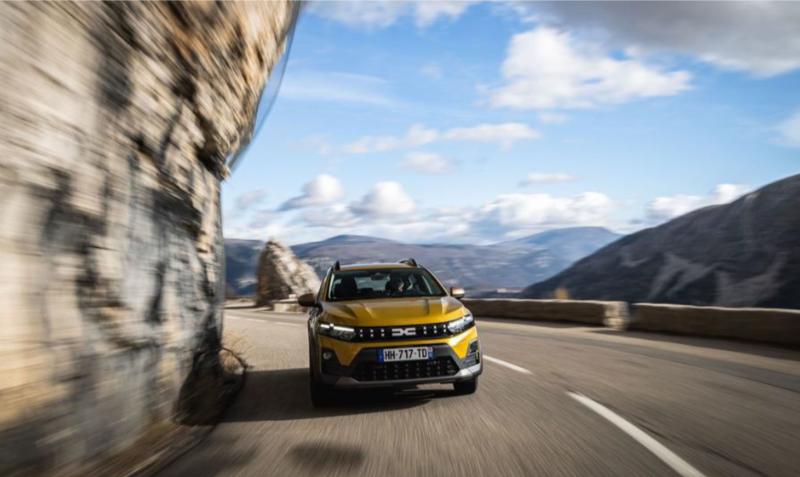
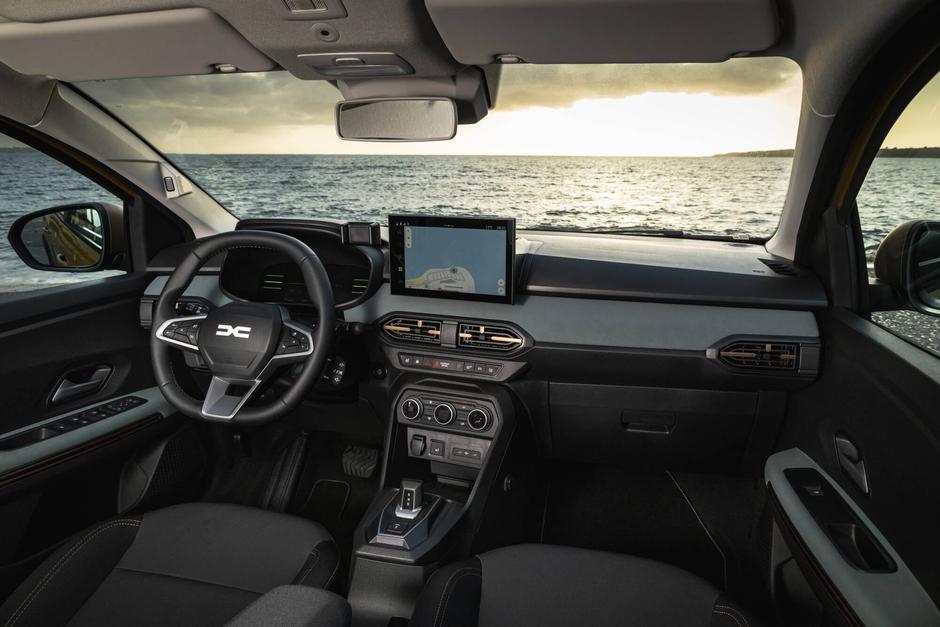
Inside the Sandero, drivers will find a larger 10.1-inch touchscreen and digital instrument cluster for better usability. Safety features have also advanced to align with the latest European standards. These enhancements keep the Sandero practical and budget-friendly while adding convenience. The combination of power gains and automatic options should make it even more attractive for city and highway use alike.
Duster takes a bold step forward with its new mild hybrid system tailored for all-wheel drive. The Hybrid-G 150 4×4 pairs a 1.2-liter petrol engine up front with an electric motor at the rear, eliminating the need for a traditional driveshaft. This setup produces around 154 horsepower and promises driving costs up to 30 percent lower than previous petrol 4×4 versions. A compact battery supports brief electric-only operation in urban settings. The design refresh mirrors the rest of the range with updated lighting and minor styling touches.
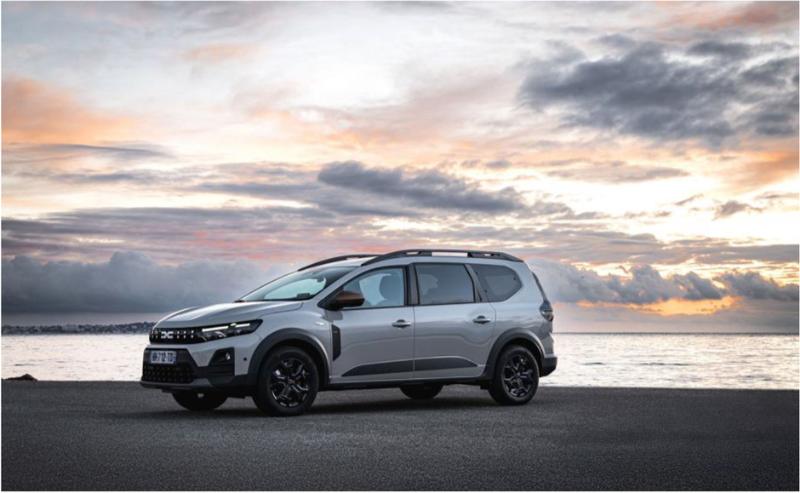
Jogger shares many improvements with Sandero but stands out with its hybrid evolution. The previous Hybrid 140 gives way to the new Hybrid 155, featuring a 1.8-liter petrol engine and two electric motors for a total of 155 horsepower. This results in roughly 10 percent lower fuel use and emissions compared to the outgoing model. The familiar multi-mode transmission remains, blending four gears for the engine and two for electric drive without a conventional clutch. Like Sandero, Jogger gets the upgraded Eco-G 120 LPG engine with automatic transmission availability. Interior and safety upgrades align across the board, including the bigger screen and digital gauges.
Spring, Dacia’s compact electric city car, receives the most comprehensive revisions. New electric motors offer 70 horsepower and 100 horsepower options, improving acceleration and high-speed confidence. Although the LFP battery has a slightly reduced capacity, better efficiency maintains the WLTP range at 225 kilometers. Chassis and suspension reinforcements include a standard stabilizer bar for sharper handling and greater stability. These tweaks make Spring more enjoyable for daily commutes without sacrificing its affordable electric appeal.
Across the refreshed models, Dacia focuses on blending value with modern technology. Buyers gain access to efficient hybrids, extended ranges on alternative fuels, and improved dynamics. The subtle design updates ensure the cars look contemporary while staying true to the brand’s no-nonsense ethos. This overhaul positions Dacia strongly in a market demanding smarter, greener options at accessible prices.
What do you think of these latest Dacia updates, and which model’s changes excite you the most in the comments?