Deciphering The Signals Your Car Is Sending Through Strange Sounds
Modern automobiles are designed to be sophisticated machines that operate with a certain level of quiet efficiency. When everything is functioning correctly, the only sounds you should typically hear are the hum of the tires on the pavement and the steady purr of the engine. However, when a vehicle starts making unusual noises, it is effectively trying to communicate that something is amiss within its complex systems. Ignoring these auditory warnings can often lead to significant mechanical failures and much higher repair bills down the line. It is essential for every driver to develop a basic understanding of this mechanical language to maintain both their vehicle and their safety on the road.
One of the most common and piercing sounds a driver might encounter is a high-pitched squealing noise coming from the wheels. This sharp sound is frequently a deliberate design feature engineered by brake manufacturers to serve as an early warning system. Brake pads often contain small metal wear indicators that are positioned to make contact with the brake rotor once the pad material has worn down to a specific level. If you choose to ignore this initial squeal, the sound will eventually evolve into a harsh grinding noise as the metal backing of the pad eats into the rotor. This transition indicates that you have moved from a simple maintenance task to a potentially dangerous situation that will require expensive repairs to the entire braking system.
Squealing sounds are not exclusively limited to the brakes and can sometimes originate from under the hood. A loose or worn serpentine belt can produce a similar high-pitched noise as it slips on the pulleys while the engine is running. Another potential source of squeaks or creaks is the suspension system, particularly when you are driving over speed bumps or making turns. Worn rubber bushings or dry suspension joints often lose their ability to cushion movement effectively and start to create noise as metal parts interact. Addressing these suspension issues promptly is crucial not only for eliminating the noise but also for ensuring the vehicle handles correctly and remains safe to drive.
A different category of sound that demands immediate attention is a deep humming or droning noise that seems to get louder as you increase your speed. This type of sound is a classic symptom of a failing wheel bearing, which is a critical component that allows your wheels to spin freely. You might notice that the tone or intensity of the humming shifts when you change lanes or turn the steering wheel, which further confirms the diagnosis. Driving with a compromised wheel bearing is hazardous because it can lead to uneven tire wear or even a wheel detaching from the vehicle in extreme cases.
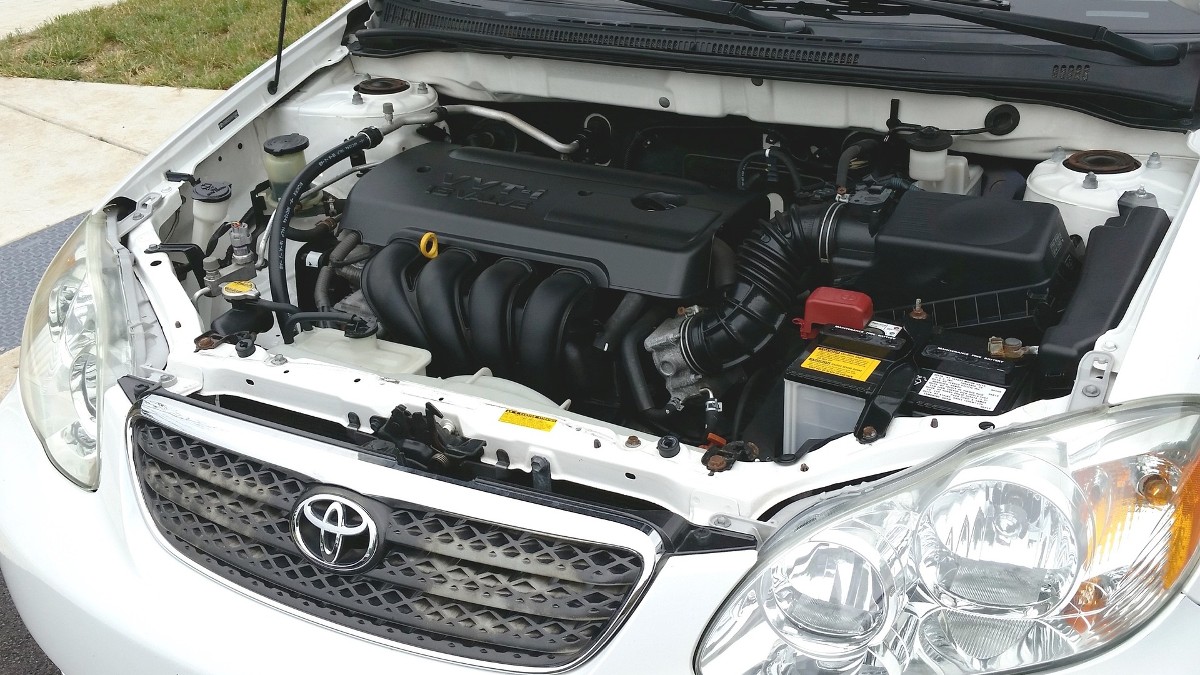
Engine noises such as knocking or tapping represent another serious category of warning signs that should never be dismissed. A rhythmic knocking sound could indicate that the engine is running low on oil or that there are issues with the internal valves. sometimes this sound is caused by using fuel with an octane rating that is too low for your specific vehicle, resulting in premature detonation inside the cylinders. Regardless of the specific cause, internal engine noises usually signal that vital components are under stress and require professional inspection immediately to prevent catastrophic engine failure.
Maintaining a vehicle requires a proactive approach where you listen to these subtle and not-so-subtle cues. By paying attention to the specific sounds your car makes, you can often catch problems before they leave you stranded on the side of the road.
If you have ever experienced a strange car noise that turned out to be a surprising issue, please share your story in the comments.