Do Plug In Hybrids Make Sense and Who Are They For?
Plug in hybrids have spent years being sold as the middle ground between a traditional gas car and a full battery electric vehicle. What has changed recently is just how capable the newest generation has become when you actually use it as intended. Electric ranges that once struggled to clear about 19 miles in the real world are now routinely advertised in the 60 mile neighborhood, with a few models pushing far beyond that. Even so, the core truth has not moved, a plug in hybrid is only worth it if you commit to charging it.
The basic rule of PHEV life is simple, the more often you plug in, the more efficient the whole system becomes. If you do not charge regularly, you are basically hauling around a battery, an electric motor, and extra electronics for little payoff. In that scenario a conventional hybrid that is lighter and cheaper can be the smarter buy. A plug in hybrid rewards discipline, but it can deliver a kind of daily driving experience that would have sounded unrealistic not long ago.
One reason is that many modern plug in hybrids are no longer limited to token electric commuting. A large chunk of today’s options are rated around 60 miles of electric range or more on the WLTP test cycle. That can cover the majority of normal routines, getting to work, school runs, and errands without firing up the engine. Real world range still drops in winter and at higher speeds, but for plenty of drivers it remains enough to handle a typical day’s mileage.
Another shift is the arrival of DC fast charging on certain plug in hybrids. That narrows one of the biggest practical gaps between PHEVs and full EVs because it makes charging during a quick stop genuinely worthwhile. Some models can accept 30 kW or more, which means a 15 minute break can add meaningful electric miles back into the battery. For drivers who road trip, that opens the door to keeping the drive quieter and more electric for longer stretches instead of defaulting to gasoline once the pack is depleted.
A standout example of this direction is the Lynk and Co 08. With a very large battery and a strong electric drive system, it is rated for an electric range that many city focused EV owners would happily take, about 124 miles on the WLTP cycle. That kind of number changes expectations because it lets a PHEV behave like an everyday EV for many people while still keeping a gasoline engine onboard for long hauls. It also highlights why the technology has become both more impressive and more demanding.
Where confusion really explodes is fuel economy. Window sticker style claims like 1.2 liters per 62 miles or even 0.6 liters per 62 miles can sound almost impossible, and in US terms those figures translate to roughly 196 mpg and 392 mpg on paper. The reason comes down to how plug in hybrids are certified, using a calculation that assumes a certain share of miles are driven on electricity. That assumption is built around something known as the Utility Factor, and when the rules change the published numbers can change even if the vehicle itself does not.
Those rules have been tightened again starting in early 2026, which is part of why buyers are seeing shifting figures. On the road, plenty of plug in hybrids really can sip fuel when the battery is full, sometimes so little it barely registers over short trips. The problem arrives when the battery runs empty and the car is not plugged in consistently. At that point the PHEV can turn into a heavy conventional hybrid that burns noticeably more fuel than you expected, and often more than a comparable non plug in hybrid.
That is why plug in hybrids are not a universal solution. They are best for drivers who can charge routinely and whose daily driving is fairly predictable, especially people who can plug in overnight at home or while parked at work. For them, a plug in hybrid can mean weeks or even months of real driving without a gas station stop, depending on distance and charging habits. If you do not have reliable access to charging or you rack up long daily miles, the advantages evaporate quickly.
The bottom line is that plug in hybrids have never been more advanced, with bigger batteries, stronger electric motors, and genuinely useful electric range. At the same time, they have never asked more of the driver, because the payoff depends on behavior, not just hardware. Used properly you get something close to an “electric car” for everyday life, paired with a “safety net” for long trips when you do not want to plan charging. Used carelessly you end up dragging around expensive tech that turns your vehicle into a heavier, less efficient version of a “regular hybrid.”
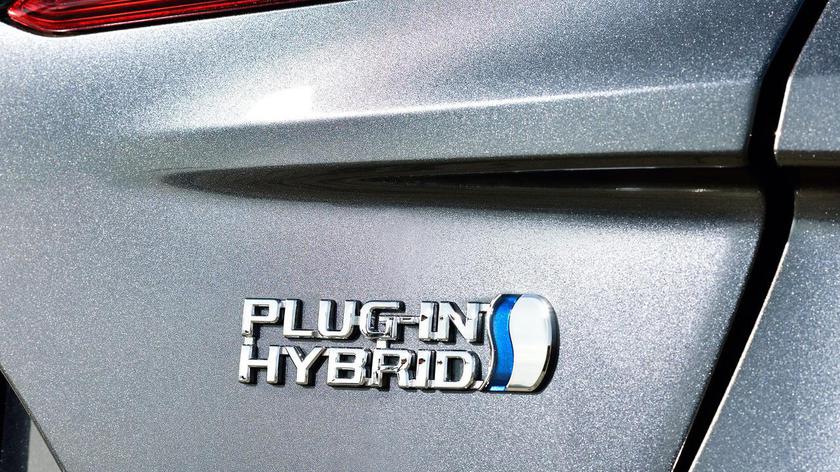
For extra context, a plug in hybrid is different from a standard hybrid because its battery is designed to be charged from an external source, not just by the engine and regenerative braking. That larger battery is what enables meaningful electric only driving, but it also adds weight and complexity, which is why charging matters so much. Most PHEVs can run as EVs at low to moderate loads, then blend in the gasoline engine when power demand rises or the battery falls to a set level. They can be a practical bridge for drivers who want electric commuting now but still need the flexibility of gasoline for long distance travel or areas with limited charging.
What has your experience been with plug in hybrids, and do you think they are a smart buy for the way you drive? Share your thoughts in the comments.