Experts Uncover The Truth About Chinese Cars And Major Manufacturers Should Be Worried
The automotive landscape is undergoing a massive shift as new contenders from China challenge established Western brands. A recent comprehensive analysis by the team at Carwow has shed light on just how competitive these new entrants have become. They selected three fresh Chinese models to compete directly against three well-known vehicles from legacy manufacturers in some of the most cutthroat market segments. The results of these tests have revealed that traditional carmakers might have significant reasons to be concerned about their future market share.
One of the most telling comparisons in the review focused on the electric vehicle sector, specifically pitting the BYD Dolphin against the Vauxhall Corsa Electric. The price difference alone was immediately striking, with the top-tier Corsa Ultimate costing significantly more than its rival. Despite the higher price tag, the European model struggled to match the extensive list of standard equipment found in the Chinese competitor. The BYD Dolphin came loaded with premium features such as heated and ventilated front seats, a panoramic roof, and a 360-degree camera system.
The interior experience highlighted further disparities between the two vehicles during the testing process. Reviewers noted that the rear seating area of the Corsa felt somewhat cramped and dark compared to the more open feel of the Dolphin. The dashboard in the Vauxhall was described as functional but lacked the flair and innovation seen in the BYD. The Chinese model featured a rotating infotainment screen and smart switches that added a playful and modern character to the cabin.
Carwow highlighted that the value proposition of these new vehicles is undeniable and hard for legacy brands to ignore. The test mentioned that BYD has even introduced a more affordable version called the Dolphin Surf, which lowers the entry price further while maintaining a similar experience. This aggressive pricing strategy combined with high equipment levels presents a difficult challenge for European manufacturers who are struggling to keep costs down. The reviewers concluded that while buyers should still choose carefully, the savings offered by Chinese brands are substantial.
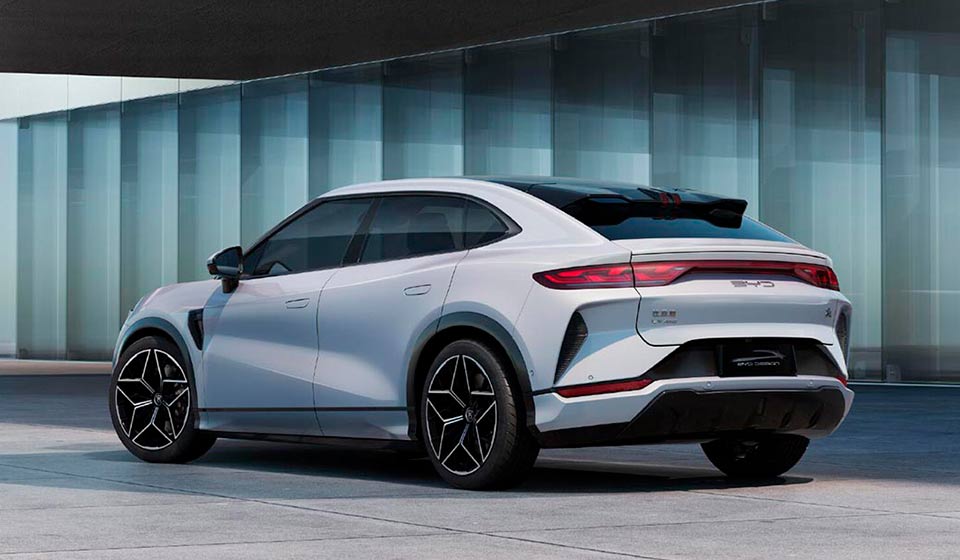
The analysis pointed out that while not every Chinese car is perfect, models like the Xpeng G6 and the BYD Seal prove that high-tech and fun vehicles are emerging rapidly. Even the MG HS was noted as a strong contender that demonstrates how far the industry has come in a short time. However, the experts did warn that some areas still need improvement, such as the infotainment software which can sometimes be clunky or intuitive. Thorough test drives are still recommended to ensure a specific model meets a driver’s personal needs.
It is clear that the gap between established manufacturers and these newcomers is closing much faster than many anticipated. The combination of advanced technology, better standard specifications, and lower prices is a potent mix that legacy brands must address immediately. Consumers are becoming more open to these new badges as they seek better value for their money in an expensive market.
Do you think American and European carmakers will be able to adapt quickly enough to survive this wave of new competition, so let us know your thoughts in the comments.