Ferrari Records Surge In Young Buyers With Forty Percent Under Forty
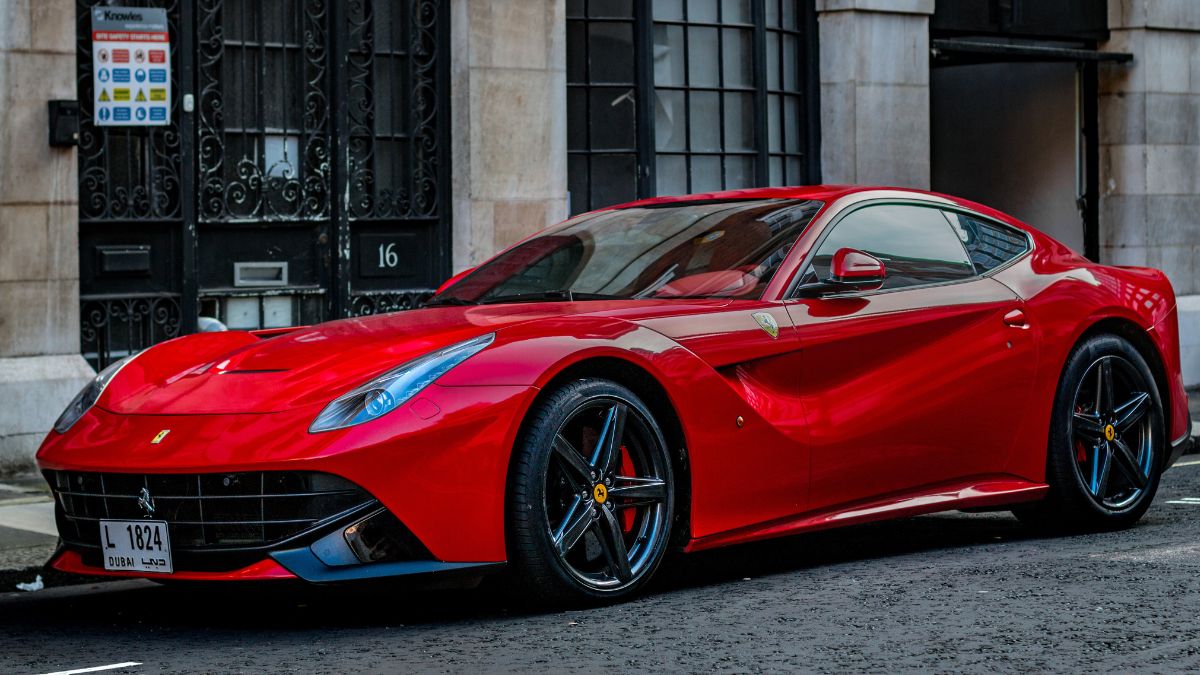
The stereotypical image of a Ferrari owner has long been a silver-haired retiree enjoying the fruits of decades of labor. That perception is rapidly changing as the Italian luxury automaker reports a significant demographic shift in its clientele. According to recent data shared by the company, a surprising number of new buyers are entering the brand at a much younger age than historically observed. CEO Benedetto Vigna revealed that forty percent of new clients are now under the age of forty. This figure represents a sharp rise from just thirty percent less than two years ago.
This influx of younger money comes during a period of intense demand and exclusivity for the Maranello-based manufacturer. Getting the keys to a ‘Prancing Horse’ is not merely a matter of having the funds, as the current waitlist stretches beyond two years for many models. Vigna noted that this long waiting period creates different reactions among the age groups. He shared an anecdote about a seventy-eight-year-old client who lamented that he might not have the time to wait two years for delivery. In contrast, a thirty-seven-year-old buyer expressed a desire to receive his car before his fortieth birthday, to which Vigna assured him he would have it by thirty-nine.
Several factors appear to be driving this youthful enthusiasm for the brand. The introduction of the ‘Purosangue’ SUV has opened the door to buyers who prioritize versatility alongside performance. Additionally, the company is seeing interest from a generation that values sustainability and technology. The upcoming launch of the brand’s first fully electric vehicle has generated curiosity among buyers who might not have considered a traditional combustion engine supercar. Vigna mentioned that some prospective clients have explicitly stated their interest is solely in the electric models.
Despite the rise in new blood, the brand remains fiercely protective of its exclusivity and loyal customer base. Data from the past year indicates that over eighty percent of cars delivered were sold to existing clients. This statistic suggests that while the door is opening for younger drivers, it remains a narrow entry point reserved for a select few. The company continues to prioritize value over volume to ensure that demand always outstrips supply.
The cultural relevance of the brand has also been bolstered by its presence in Formula 1 and the broader media landscape. Programs like ‘Drive to Survive’ have introduced the drama and prestige of motorsport to a global audience that includes millions of Millennials and Gen Z viewers. This exposure helps position the cars not just as vehicles but as ultimate status symbols for the modern era. As the automotive landscape shifts toward electrification and new body styles, the Italian marque seems to have successfully bridged the gap between its heritage and the future.
Share your opinion on whether the shift toward younger buyers and SUVs dilutes the brand’s heritage or secures its future in the comments.