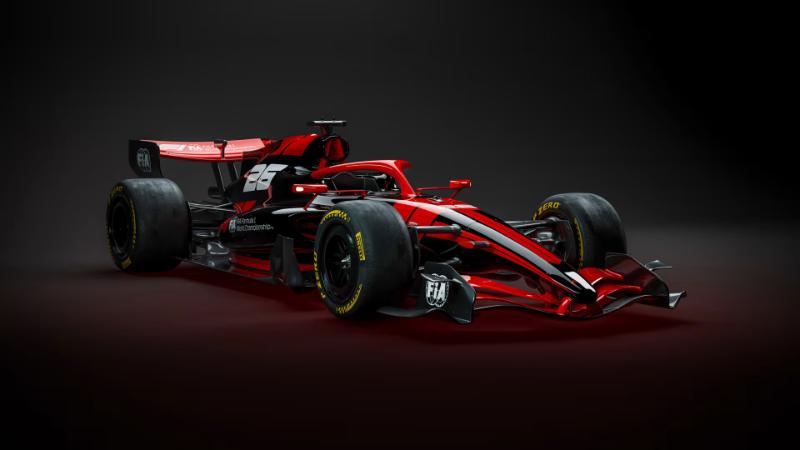
FIA Releases First Images of Sleeker 2026 Formula 1 Cars
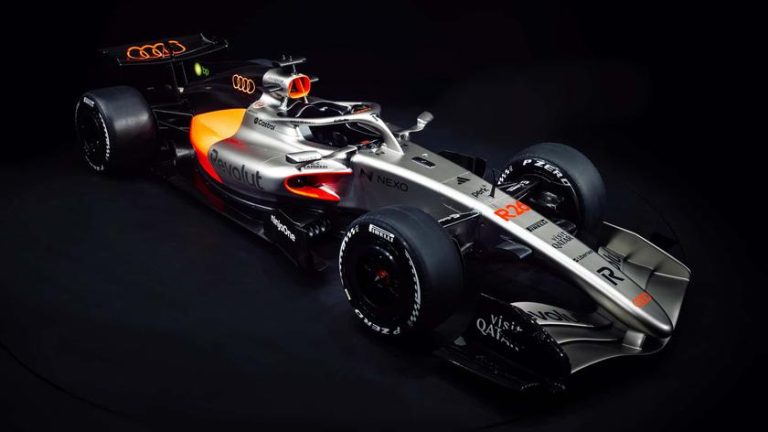
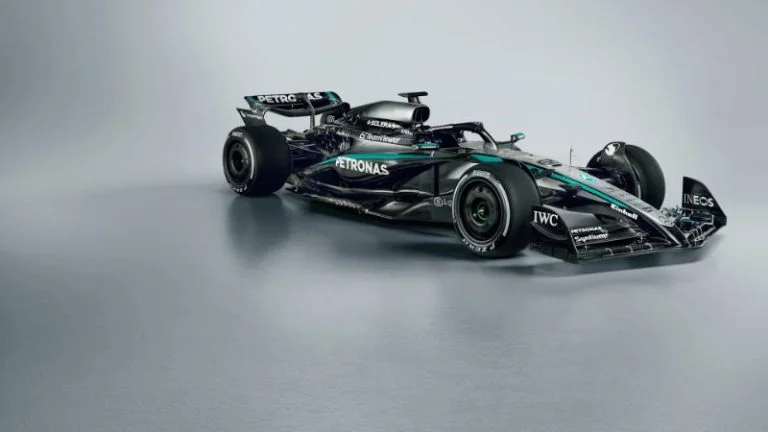
Formula 1 has unveiled official renders showcasing the dramatically redesigned cars set to debut under the 2026 regulations. The images highlight shorter, narrower machines with active aerodynamics aimed at improving overtaking and race spectacle. These visuals accompany the finalized technical rules published by the FIA.
Cars measure 3600 millimeters in length, reduced by 200 millimeters from current specifications. Width narrows to 1900 millimeters, a 100-millimeter decrease. Overall weight drops by approximately 30 kilograms to enhance agility and responsiveness.
Active aerodynamics replace the traditional DRS system. Front and rear wings operate in two modes: high-downforce Z-mode for cornering and low-drag X-mode for straights. Drivers switch modes in designated activation zones to facilitate passing maneuvers.
Power units maintain the 1.6-liter V6 turbo hybrid formula but shift toward greater electric contribution. Electric power increases to 350 kilowatts from 120 kilowatts currently. Internal combustion output reduces to 400 kilowatts while eliminating the MGU-H component.
Total output exceeds 1000 horsepower in qualifying modes. Sustainable fuels derived from non-food sources or waste become mandatory. Battery capacity expands for increased energy deployment and recovery.
A Manual Override mode grants pursuing cars within one second additional electric power on straights. This system supplements active aero to close gaps and promote wheel-to-wheel racing.
Tire dimensions shrink with front widths reduced by 25 millimeters and rears by 30 millimeters. Wheel covers return in simplified form to manage turbulent wake. Ground effect floors persist with revised underbody designs for predictable airflow.
Six power unit manufacturers commit to the regulations: Mercedes, Ferrari, Honda, Audi, Red Bull Powertrains with Ford, and Cadillac joining later. Development costs face financial caps to encourage competition.
The regulations prioritize closer racing through reduced dirty air effects. Cars become lighter and more nimble overall. Electric hybridization advances while retaining internal combustion elements.
Pre-season testing occurs in early 2026 across multiple venues. The Australian Grand Prix opens the season with these new-generation machines. Teams now accelerate development programs based on the confirmed specifications.
U.S. interest grows with three domestic races on the calendar. Cadillac’s entry expands American involvement alongside existing teams. Broadcast viewership reached record levels in 2025 ahead of this technical revolution.