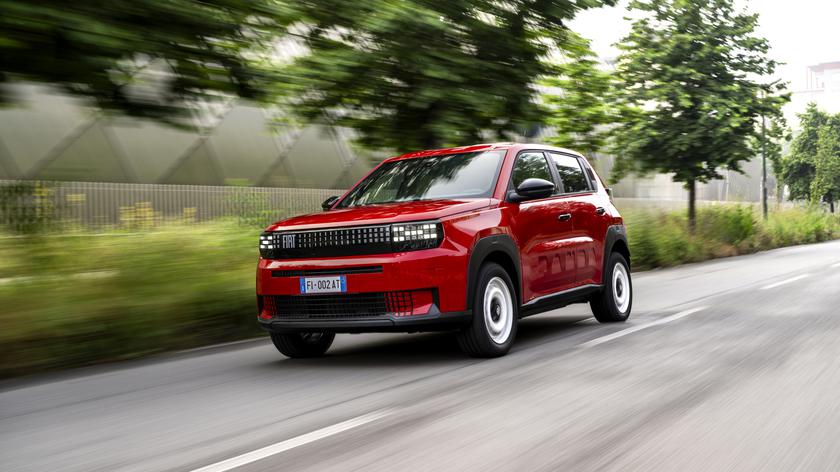
Fiat CEO Proposes Limiting Top Speed To 118 Km/h For City Cars
The rising cost of modern vehicles is a major concern for manufacturers and consumers alike, prompting some executives to think outside the box for solutions. Fiat CEO Olivier François has suggested a radical new approach to keep city cars affordable for the average buyer. His proposal involves capping the top speed of future urban models at approximately 118 km/h. This figure roughly translates to 73 mph and represents the average maximum legal speed limit across European roadways. The primary motivation behind this idea is not just safety but a significant reduction in production costs.
Modern European regulations require all new vehicles to feature a suite of Advanced Driver Assistance Systems known as ADAS. These mandatory features include expensive hardware such as cameras, sensors, and traffic sign recognition technology. François argues that requiring this equipment on small city cars designed for low-speed environments is unnecessary and financially burdensome. He estimates that the inclusion of these complex systems has contributed to a sixty percent increase in the average price of city cars over the last few years. By limiting the vehicle’s speed mechanically, the manufacturer could theoretically bypass the need for high-speed safety sensors.
The executive highlights that models like the Fiat 500 and the Panda are predominantly driven in urban settings where speeds rarely exceed city limits. Designing these vehicles to travel at high highway speeds forces engineers to over-specify the hardware to meet regulations that do not apply to the car’s real-world usage. François describes the current situation as contradictory because automakers must install costly technology to manage speeds that are often illegal to reach. He believes that removing this requirement would allow Fiat to lower prices and return to offering truly democratic mobility solutions for young drivers and families.
This proposal aligns with discussions around a potential new vehicle class in the European Union tentatively called the M1E category. This segment would specifically cover small and affordable electric vehicles intended for daily urban commuting. Cars in this category would have relaxed safety equipment mandates in exchange for strict performance limitations like the proposed speed cap. The Fiat Grande Panda Electric is already factory-limited to around 132 km/h to preserve its battery range. Lowering this ceiling further to 118 km/h would likely not impact the daily driving experience for most owners.
Fiat would not be the first automaker to introduce speed caps, although their reasoning differs from other brands. Volvo famously limited all its new cars to 180 km/h in 2020 to send a strong message about passenger safety and accident prevention. Renault and Dacia followed suit with similar restrictions on their newer models to enhance road safety. However, the Italian brand is unique in framing the move as a cost-saving measure to ensure the survival of the affordable city car segment. If the European Union accepts this logic, it could reshape how small vehicles are built and priced in the coming decade.
Would you be willing to buy a car with a permanent speed limit if it meant a significantly lower purchase price, so let us know your opinion in the comments.