
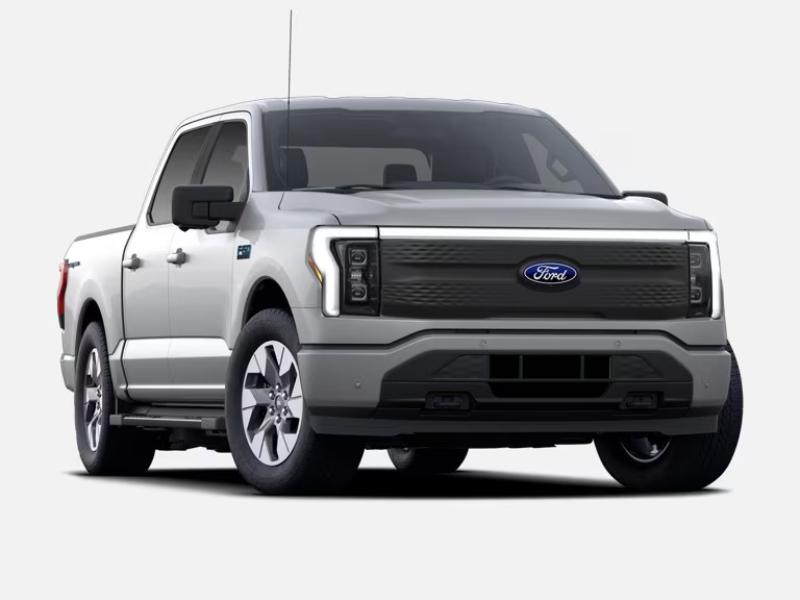
Ford Accelerates ‘F-150 Hybrid’ Production to Offset EV Sales Dip
Ford Motor Company ramps up assembly of the ‘F-150 PowerBoost’ hybrid variant by 25 percent at its Dearborn Truck Plant, responding to a 14 percent decline in pure EV truck deliveries through October. The full hybrid configuration, blending a 3.5-liter EcoBoost V6 with a 35 kWh battery for 430 horsepower and 570 lb-ft torque, targets fleet operators seeking 24 mpg combined efficiency without full electrification. This shift bolsters the ‘F-150’ lineup’s 750,000 annual U.S. volume, where hybrids now comprise 18 percent of sales.
Production enhancements include dual-line expansion to 1,200 units daily, incorporating automated battery insertion stations that reduce cycle times to 90 seconds per vehicle. The hybrid system employs a 7.2 kW onboard charger for 100 percent recharge in 3.5 hours at 240-volt outlets, supporting 40 miles of electric-only range for urban routes. Output from Dearborn, Kansas City, and Chicago plants aggregates 150,000 hybrid ‘F-150’ units for 2026, up from 120,000 in 2025, per internal capacity reports.
Pricing starts at $52,995 for the XLT trim, qualifying for $3,750 federal hybrid credits under revised Inflation Reduction Act provisions, undercutting the ‘F-150 Lightning’ EV by $12,000. Towing capacity reaches 12,700 pounds with the Max Trailer Tow package, featuring integrated brake controllers and 360-degree cameras for trailer alignment. Fuel economy certification from the Environmental Protection Agency lists 25 mpg city and 26 mpg highway, a 15 percent improvement over the base V6.
Supply chain adjustments secure 80 percent domestic lithium from Nevada sources, mitigating 25 percent tariffs on Asian cells that add $900 to EV costs. Over-the-air updates enable Pro Power Onboard export up to 7.2 kW for job site tools, integrated with FordPass app for remote preconditioning. The model’s 10-speed automatic transmission optimizes regenerative braking, recapturing 60 percent of kinetic energy during downhill descents.
Dealership allocations prioritize 40 percent to commercial accounts, where hybrids capture 28 percent of ‘F-150’ fleet orders amid EV charging infrastructure gaps. Aerodynamic aids, including deployable box steps, yield a 0.38 drag coefficient at 70 mph. This production surge aligns with Ford’s 2030 goal of 50 percent electrified sales, bridging the gap as pure EV adoption slows to 8 percent of truck volume.
Chief Operating Officer Lisa Drake highlights the strategy’s flexibility, stating the hybrid “delivers immediate efficiency gains for customers navigating transition uncertainties.” Partnerships with SK On expand battery output to 40 GWh annually at a Kentucky facility, supporting 200,000 hybrid assemblies. Regulatory compliance includes National Highway Traffic Safety Administration approvals for BlueCruise hands-free driving up to 90 mph on 130,000 miles of pre-mapped highways.
Inventory levels for hybrids stand at 45 days’ supply, versus 68 days for EVs, per Automotive News data. Resale values hold at 92 percent retention after 12 months, per Black Book valuations, driven by demand in construction sectors comprising 35 percent of U.S. ‘F-150’ registrations. This pivot sustains Ford’s 2.3 million vehicle forecast for 2025, with hybrids projected to add 150,000 units to Q4 totals.