Ford Admits Mistake as Classic Cars Return to Europe
Ford has acknowledged that shifting almost entirely away from traditional passenger cars was not the best long-term move for its European business. In recent years the company phased out beloved models like the Fiesta, Focus, and Mondeo to concentrate on SUVs, crossovers, and commercial vehicles. This change boosted profitability per vehicle but led to a sharp drop in overall sales and a noticeable loss of market presence among private buyers and fleets. Executives now recognize that demand for compact and midsize cars remains strong in Europe despite the push toward electrification and taller vehicles. CEO Jim Farley has confirmed plans to reenter these segments with a careful and selective strategy focused on sustainable profits.
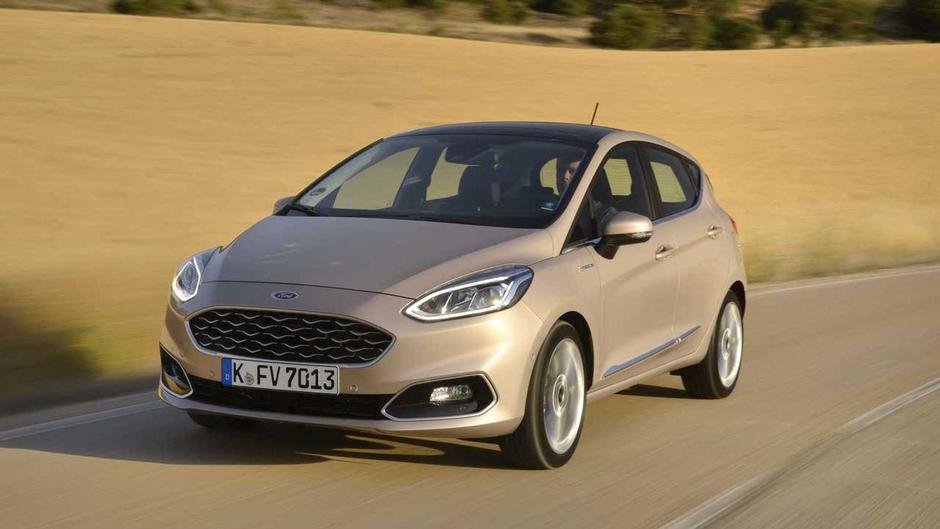
The original strategy saw the Fiesta end production in 2023 after decades as one of Europe’s top-selling superminis. The Focus followed suit with manufacturing wrapping up last year while the Mondeo vanished from showrooms back in 2022. Only the Mustang has stayed as a holdout traditional car in the broader lineup leaving gaps that competitors filled quickly. Ford’s European sales suffered as a result with the brand relying heavily on models like the Puma and Kuga crossovers. Farley emphasized that any comeback will prioritize segments where the company can build strong earnings without spreading resources too thin. Collaboration with partners will help keep development costs manageable and speed up the process.
New vehicles are already in the works tailored specifically for European tastes and regulations. One exciting project involves a small electric hatchback roughly the size of the old Fiesta built on Renault’s Ampere EV platform which also underpins the refreshed Renault 5 and Renault 4. This partnership allows Ford to offer authentic driving dynamics while sharing engineering expenses. Other upcoming models could include hybrids and additional electrified options to meet tightening emissions rules and buyer preferences. The first arrivals are slated for around 2027 giving the brand time to refine designs and ensure they stand out in a crowded market.
This shift reflects broader lessons learned across the industry where an all-in bet on SUVs sometimes overlooked regional differences. In Europe smaller more efficient cars continue to appeal especially in urban areas with narrow streets and high fuel costs. Ford aims to recapture loyalty from longtime customers who missed the handling and practicality of those classic models. By blending modern powertrains with familiar form factors the company hopes to rebuild its passenger car business without repeating past overextensions. The approach stays pragmatic targeting profitability first and avoiding low-margin volume wars.
The return signals confidence that a balanced lineup can thrive alongside SUVs and commercial vans. Ford’s leadership sees this as a way to surprise positively both dealers and drivers who have waited for more traditional choices. With electrification accelerating these new entries will likely mix hybrid efficiency and full battery power to cover diverse needs. The strategy also supports dealer networks by providing fresh inventory that complements existing strong sellers.
What do you think about Ford bringing back smaller classic-style cars to Europe—would you consider one of the new models? Share your thoughts in the comments.