Ford CEO Explains The Painful Decision To End Fiesta And Focus Production
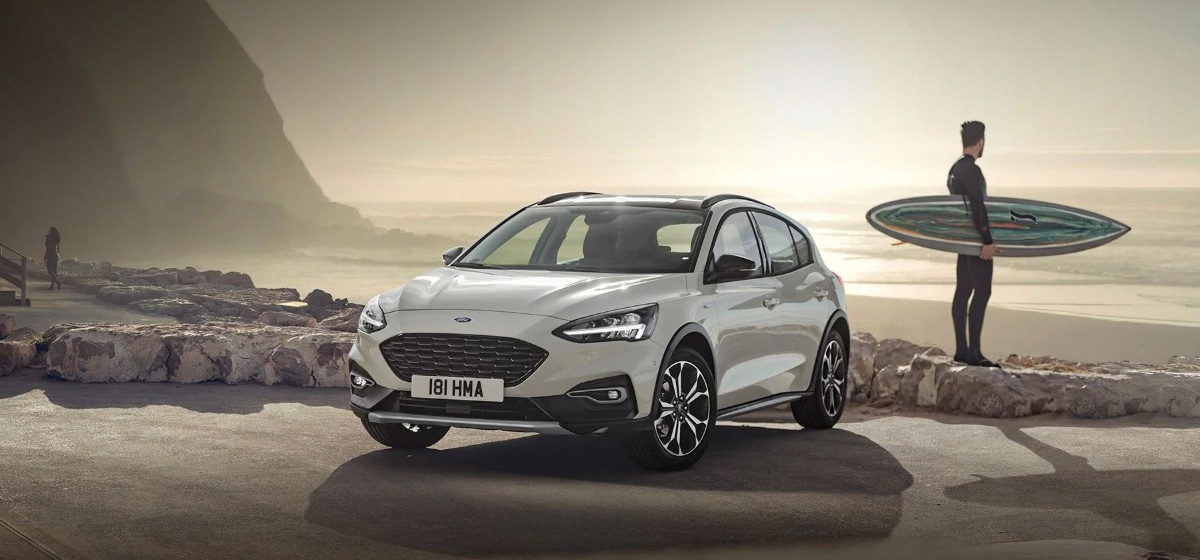
The decision to discontinue some of the most recognizable cars in history was not taken lightly by the leadership at Ford. CEO Jim Farley recently opened up about why the American automaker decided to stop production of the ‘Fiesta’ and ‘Focus’ models. In a candid interview with the Argentine newspaper La Nación, Farley admitted that the choice was difficult but necessary for the financial health of the company. He revealed that leaving the affordable car segment was a direct result of being unable to compete with Asian manufacturers on cost. This move marks a significant shift away from the company’s historical goal of providing vehicles for every type of buyer.
Farley explained that Ford had held onto a romanticized vision of being a manufacturer for everyone since the days of the Model T. The executive noted that while the ambition was noble, the economic reality was far less forgiving. He stated that their production costs simply could not match those of rivals like Toyota and Hyundai who had optimized their efficiency in that specific sector over decades. Staying in that race would have meant continuing to lose money on every unit sold. The CEO bluntly remarked that while trying was not a mistake, persisting in a losing battle would have been.
The strategy has now pivoted toward vehicles that generate higher profit margins and carry more emotional weight with consumers. Ford is focusing its resources on trucks, SUVs, and commercial vehicles where they still hold a competitive advantage. Models like the ‘Mustang’ and the ‘Bronco’ represent the future of the brand because they offer something unique that customers are willing to pay for. Farley emphasized that they are exiting the boring car business to focus on iconic vehicles that define the brand. This transition allows the company to invest more in electrification and software without being dragged down by unprofitable volume sellers.
Competition from Chinese manufacturers also played a role in accelerating this strategic change. The rapid rise of brands producing high-quality electric vehicles at lower prices has forced legacy automakers to rethink their portfolios. Farley acknowledged that the industry is changing faster than ever and that clinging to tradition is a recipe for failure. By cutting their losses on the ‘Fiesta’ and ‘Focus’, Ford hopes to secure a more sustainable future. The company believes that a smaller but more profitable market share is better than a large share of a money-losing segment.
We want to hear what you think about this major shift in strategy so please share your thoughts in the comments.