Ford Delays Next-Generation Electric Pickup to 2028 Amid Market Shifts
Ford has postponed the launch of its next-generation full-size electric pickup truck, codenamed Project T3, from 2027 to 2028. The delay allows the company to prioritize development of a smaller, more affordable electric truck targeted for 2027 production. This adjustment responds to evolving consumer demand and competitive pressures in the EV segment.
The Project T3 truck was initially planned for a 2025 debut before shifting to 2027. Ford now allocates resources toward mid-size electric vehicles expected to achieve lower price points through advanced manufacturing techniques. The larger pickup incorporates lessons from the current F-150 Lightning platform.
Ford executives emphasize cost reduction as a key factor. Battery technology advancements and scaled production enable competitive pricing for the smaller model. The company maintains battery supply agreements despite scaling back certain EV factory expansions.
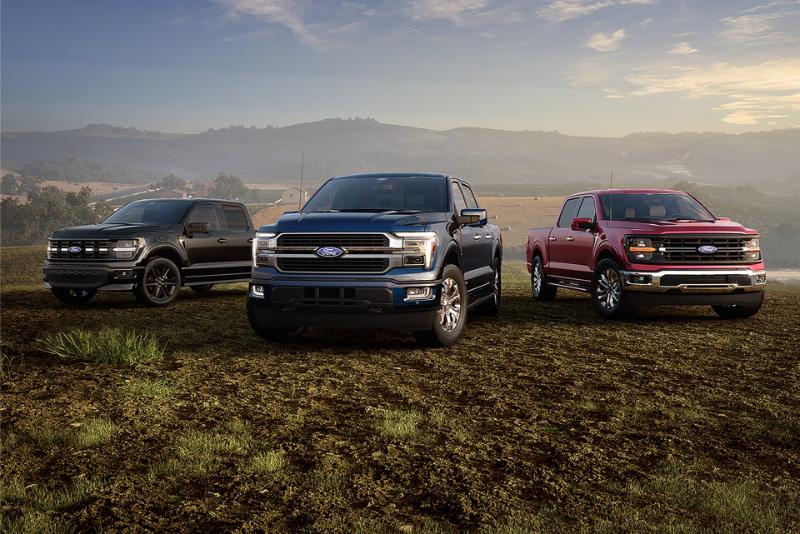
U.S. full-size truck buyers continue favoring range and capability assurances. The current F-150 Lightning offers up to 320 miles of EPA range in extended-battery configurations. Competitors like Rivian and General Motors advance their own electric pickups with similar timelines.
This move reflects broader industry recalibrations. Several manufacturers delay aggressive EV targets citing infrastructure gaps and raw material constraints. Hybrid and plug-in hybrid options gain traction in truck categories during the transition period.
Ford’s BlueOval City complex in Tennessee prepares for multiple electric vehicle lines. The facility incorporates innovative assembly processes aimed at reducing costs by up to 30 percent compared to traditional methods. Production volume targets remain ambitious for the decade.
Analysts project U.S. electric truck penetration reaching 10 percent by 2030. Full-size segment adoption lags smaller vehicles due to towing and range requirements. Ford aims to capture share through segmented offerings addressing varied customer needs.
The delayed Project T3 incorporates 800-volt architecture for faster charging. Mega-power frunks and bidirectional power capabilities feature prominently. Software-defined vehicle elements enable over-the-air updates enhancing functionality post-purchase.
Ford continues investing in solid-state battery research through partnerships. Next-generation cells promise higher density and lower costs by the late 2020s. These advancements influence future truck platforms beyond the immediate delays.
Market observers note Ford balancing short-term profitability with long-term electrification commitments. Gasoline and hybrid F-150 variants maintain strong sales volumes. Electric models contribute growing portions despite overall segment slowdowns.
The strategy positions Ford to compete against emerging Chinese EV exporters. Tariffs and domestic content rules shape U.S. market dynamics. Affordable entry-level electrics gain priority to broaden adoption rates.
Ford’s adjusted timeline underscores pragmatic approaches across the industry. Battery electric trucks evolve incrementally as supporting ecosystems mature. Multi-powertrain portfolios provide flexibility during the extended transition period.