Ford Mechanic Earns Massive Monthly Paycheck While Company Struggles To Find Workers
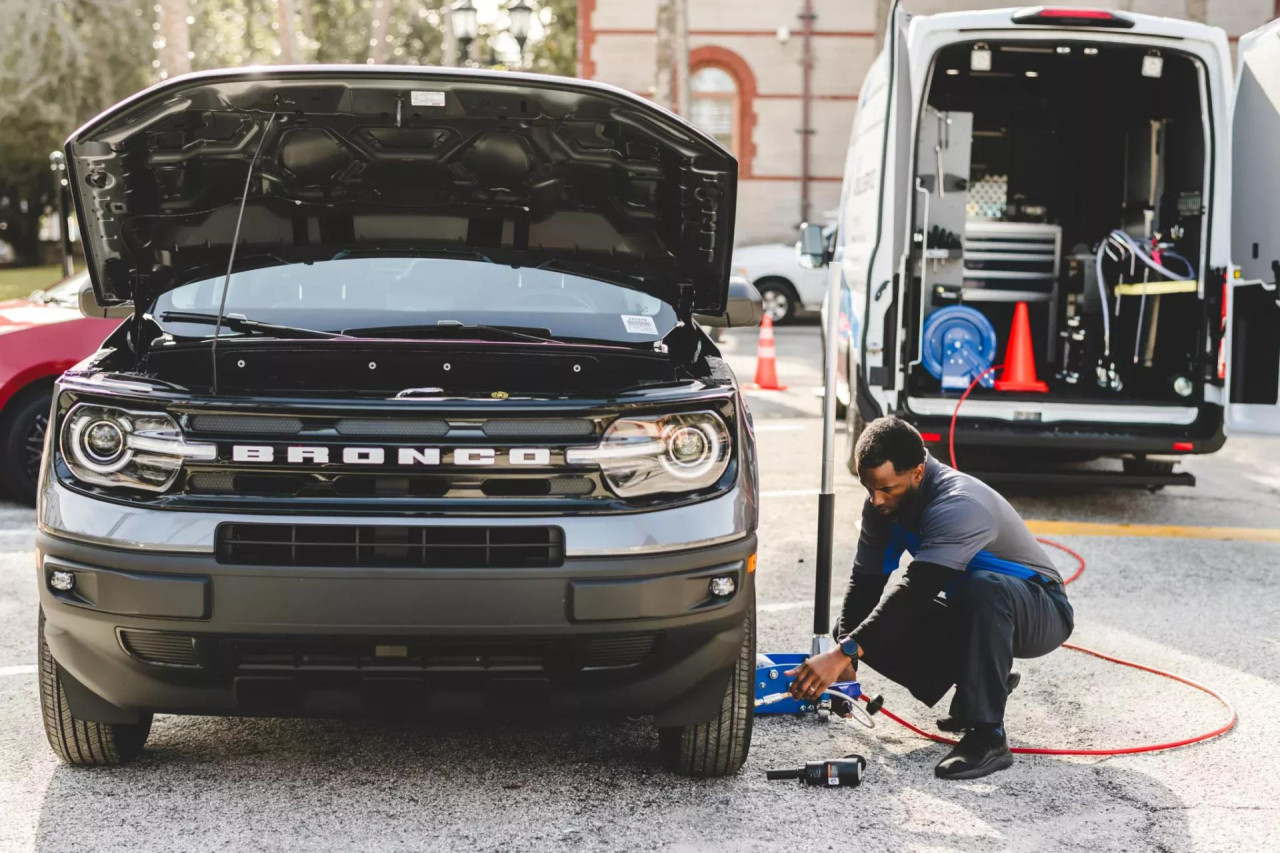
The automotive industry is facing a unique crisis where six-figure salaries are available but remain unclaimed by the workforce. A senior master technician at Klaben Ford in Kent, Ohio has become the face of this lucrative potential. Ted Hummel specializes in transmission repairs and earns a salary that rivals many corporate executives. His ability to perform complex mechanical tasks at high speed allows him to maximize his earnings significantly. While he thrives in this environment, Ford Motor Company finds itself in a difficult position trying to replicate his success across the nation.
Hummel operates under a compensation structure known as the flat-rate system. This payment model rewards speed and efficiency rather than just time spent on the clock. If a repair manual states a transmission swap takes ten hours, the mechanic gets paid for ten hours of labor regardless of actual completion time. Hummel has performed these repairs so often that he can finish them in roughly half the expected time. This efficiency allows him to stack multiple jobs into a single day and effectively double his hourly earning potential.
The financial upside for skilled technicians like Hummel is undeniable. Reports indicate that he earned approximately 160,000 dollars last year, which breaks down to a substantial monthly income. However, reaching this level of proficiency requires years of dedication and a significant financial investment in tools. Most technicians must purchase their own equipment, and specialized torque wrenches alone can cost hundreds of dollars each. It typically takes a technician five years to acquire the necessary skills to perform at a master level.
Despite these high potential earnings, the industry is suffering from a severe labor shortage. Ford CEO Jim Farley recently highlighted this disconnect during a public statement. He noted that the company has 5,000 open positions for technicians that pay over 120,000 dollars annually. Farley expressed frustration that these bays have lifts and tools ready but no qualified people to work in them. The struggle to find younger workers willing to learn the trade is becoming a major operational hurdle for dealerships.
The perception of auto mechanics as low-paid laborers contributes to the recruitment problem. Many young people are steered toward four-year college degrees rather than vocational training. This cultural shift has left a gap in the market where demand for skilled hands far outstrips the supply. The work is physically demanding and can take a toll on the body over time. Yet for those like Hummel who master the craft, the financial rewards are exceptional.
Automakers are now looking for ways to bridge this gap and attract new talent to the service bays. The industry must overcome the stigma associated with manual labor to fill these high-paying roles. Until then, veterans like Hummel will continues to earn top dollar while service centers scramble for help. The situation raises questions about how society values trade skills versus academic credentials.
If you had the chance to start your career over, would you choose a high-paying trade job like this over a traditional office path? Share your thoughts on this salary and the labor shortage in the comments.