Ford Recalls 2025 Expedition for Airbag Defect
Millions of drivers rely on Ford’s advanced airbag systems for crash protection, yet a manufacturing flaw in the 2025 Expedition exposes occupants to deployment failure risks. This recall affects over 1.1 million vehicles across multiple models, including the Expedition, highlighting persistent quality challenges in Ford’s full-size SUV lineup. The National Highway Traffic Safety Administration mandated the action after investigations revealed inconsistent inflator performance under impact conditions.
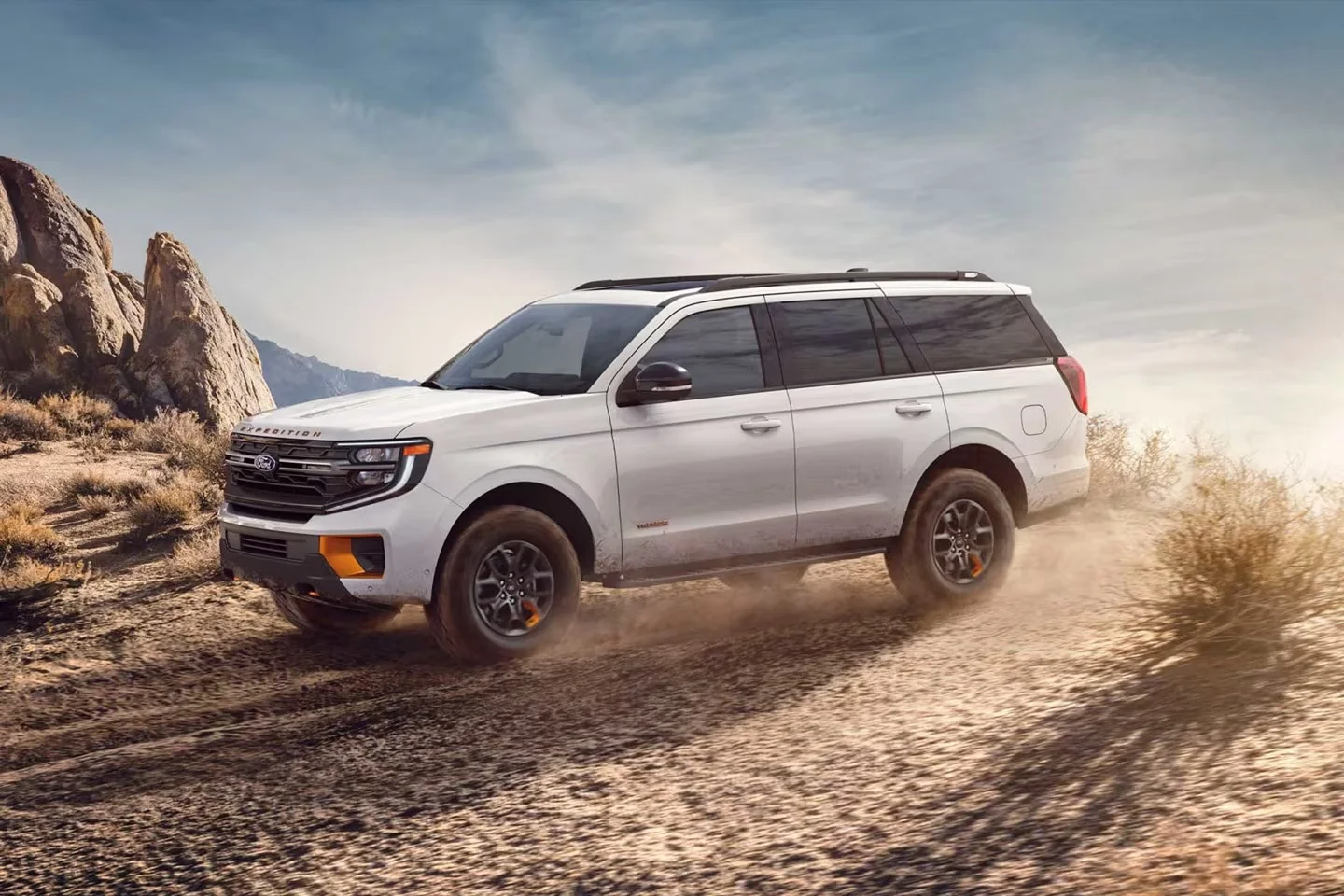
The defect stems from a faulty passenger airbag module where the propellant wafer may degrade during assembly, preventing full inflation in frontal collisions. Ford identified the issue through internal testing on 2024 and 2025 models built at its Kentucky Truck Plant from March 2024 onward. Affected Expeditions, priced starting at $58,640, represent 12 percent of Ford’s Q3 2025 SUV sales totaling 56,000 units. Dealers will replace the entire module free of charge, with notifications mailing by January 15, 2026.
This marks Ford’s third major recall in 2025, following 456,000 F-150 Lightning trucks pulled for battery fire hazards and 271,000 Broncos for seatbelt retractor malfunctions. Expedition owners report no incidents yet, but NHTSA data shows airbag failures contribute to 18 percent of fatal crashes annually. Ford’s response includes enhanced supplier audits on Takata-sourced components, which power 40 percent of U.S. vehicles.
Broader implications ripple through Ford’s electrification strategy, as the Expedition hybrid variant—launched mid-2025 with 440 horsepower and 27 mpg combined—comprises 35 percent of sales. The recall delays certification for 2026 updates, including adaptive cruise enhancements and Level 2 autonomy. Competitors like the Chevrolet Tahoe, with zero airbag recalls this year, gain market share in the $60,000-plus segment.
Analysts at Cox Automotive project a 2 percent dip in Ford’s full-size SUV volume for Q1 2026 due to repair backlogs. J.D. Power’s initial quality study ranks Ford 24th among 32 brands, citing assembly inconsistencies in high-volume plants. Ford executive vice president Kumar Galhotra stated, “Customer safety remains paramount; we’re accelerating fixes to minimize disruptions.”
Repair timelines extend four to six hours per vehicle, straining dealership capacity amid holiday demand. Owners can check VIN status via Ford’s portal or NHTSA’s site, with loaner vehicles provided for those awaiting parts. This event underscores escalating recall costs, totaling $2.1 billion industry-wide in 2025, pressuring margins as tariffs loom on imported components.
As U.S. consumers prioritize reliability—78 percent per Edmunds surveys—Ford invests $500 million in plant retrofits for 2027 models. The Expedition’s 3.5-liter EcoBoost V6, delivering 400 pound-feet of torque, continues towing up to 9,300 pounds, but trust erosion could cede 5 percent share to Toyota’s Sequoia. NHTSA’s probe expands to 2025 Lincoln Navigator variants sharing the platform, affecting 45,000 units.
Ford’s proactive stance includes software over-the-air updates for diagnostic alerts, piloted on 20 percent of 2025 fleets. Yet, with 15 million vehicles under recall this year, the industry faces scrutiny over supply chain vulnerabilities. For Expedition buyers eyeing the 2026 refresh with ventilated seats and 15-inch infotainment, this hiccup tests loyalty in a market where 62 percent research recalls pre-purchase.