Ford Suffers Worst Losses Since 2008 After Pivoting to Electric Vehicles and Cutting Popular Models
The Ford Motor Company has just wrapped up a tough year, posting massive financial setbacks that haven’t been seen since the height of the global financial crisis. In the fourth quarter of 2025 alone, the automaker reported a staggering loss of 11.1 billion dollars, marking one of the biggest quarterly deficits in its recent history. This figure has sent shockwaves through the industry, highlighting the high stakes involved in shifting toward a more electrified future. Many experts see it as a clear sign of the growing pains traditional carmakers face in this rapid transition.
A significant portion of these losses comes from bold decisions around electric vehicles. Over the past couple of years, Ford has adjusted its plans multiple times, delaying launches of certain EV models and writing off substantial investments. These strategic shifts, while aimed at long-term success, have triggered enormous one-time costs that hit the bottom line hard right now. It’s a reminder that adapting to new technology often requires tough choices and immediate financial hits.
On a full-year basis, Ford closed 2025 with a total loss of 8.2 billion dollars, ranking it among the company’s four worst years ever. Beyond the electric vehicle restructuring, other challenges added pressure, including elevated import tariffs and interruptions in aluminum supplies. Numerous vehicle recalls also contributed to the strain, compounding an already difficult situation. These factors combined to create a perfect storm for the automaker’s finances.
Even stripping away those one-time charges, the underlying performance tells a story of moderation. Adjusted operating profits reached 6.8 billion dollars, which is positive but notably lower than the 10.2 billion dollars from the previous year. Revenues edged up by about 1 percent despite a 2 percent decline in overall vehicle sales. This mixed bag shows resilience in some areas while underscoring the drag from transitional costs.
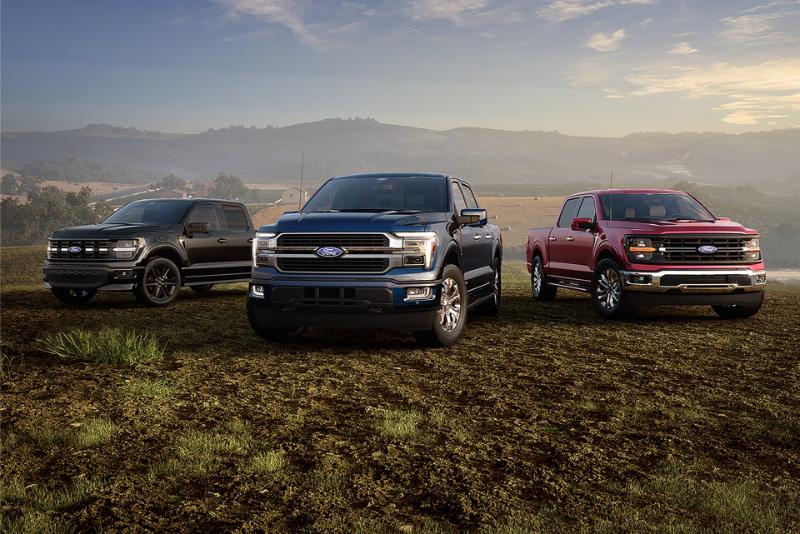
One bright spot continues to be the iconic F-series pickup trucks, which remain a powerhouse in the American market. These reliable workhorses have provided steady sales that help offset some of the challenges in the electric segment. Ford relies heavily on this traditional strength as it navigates the uncertainties of battery-powered vehicles. It’s a classic example of how established products can buoy a company during periods of innovation and change.
Looking ahead, the company expresses guarded hope for improvement in 2026. Leaders anticipate that the bulk of these major one-time expenses are behind them, paving the way for potential stabilization. Still, the road remains bumpy as Ford balances the push into electric mobility with the need to protect profitability on gas-powered favorites. The industry watches closely, knowing that success here could influence many other manufacturers.
The electric vehicle landscape is evolving quickly, with consumer demand fluctuating and competition intensifying. Ford’s experience illustrates the real risks involved when legacy automakers bet big on this shift. Delays and write-offs are not uncommon as companies fine-tune their approaches based on market realities. Ultimately, these lessons could strengthen Ford’s position in the long run if managed well.
Share your thoughts on Ford’s electric vehicle challenges and whether you think the company will bounce back strongly in the comments.