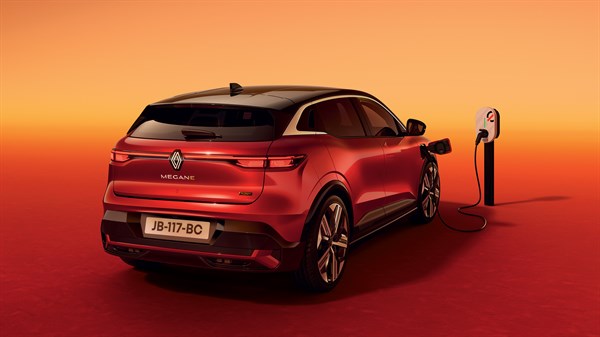
German Court Issues Shocking Sales Ban on Renault Clio and Megane E-Tech
A recent decision from the Munich Regional Court has sent ripples through the automotive world by temporarily prohibiting Renault from selling two of its most popular models in Germany. The ruling favors U.S. technology giant Broadcom in a patent dispute involving ethernet networking technology used in modern vehicles. Specifically, the court found that certain connections in the Renault Clio’s navigation system and the Megane E-Tech’s telematics unit infringe on Broadcom’s patented ethernet standard. This kind of in-car networking is increasingly common as cars rely more on digital systems for everything from infotainment to connectivity.
The patent in question relates to an extended-range ethernet line code essential for automotive applications, known as 100BASE-T1. Broadcom argued successfully that Renault lacked a proper license to implement this technology in vehicles sold in Germany. As a result, the injunction not only bans new sales but also calls for the recall and destruction of affected units if enforced. However, the ban isn’t immediate since Broadcom must first post a substantial multi-million dollar security bond to cover potential damages during the appeal process.
Renault wasted no time in responding to the verdict, announcing an immediate appeal and strongly contesting the court’s findings. The French automaker believes it has solid grounds to challenge both the patent’s validity and the infringement claims. They have already launched separate legal actions to question the patent itself. Industry observers note that such disputes often lead to settlements, especially when standard-essential patents and fair licensing terms are involved.
This case highlights the growing tension between tech companies and automakers as vehicles become more connected and software-driven. Ethernet networking allows faster data transfer between car components, improving features like advanced driver assistance and over-the-air updates. For Renault, the Clio remains one of Europe’s top-selling superminis, while the Megane E-Tech represents a key player in the electric vehicle segment. Losing access to the German market, even temporarily, could hurt sales figures significantly since Germany is a major hub for car buyers.
Patent battles like this are not new in the auto industry, but they seem to be intensifying with the shift toward electrification and autonomy. Companies like Broadcom hold portfolios of essential patents that enable modern car architectures, and licensing disagreements can quickly escalate to courtrooms. The court’s determination that Broadcom’s licensing offer was fair and reasonable adds another layer, making an overturn on appeal more challenging for Renault. Still, appeals in these cases can drag on, giving time for negotiations behind the scenes.
For car shoppers in Germany eyeing a new Clio or Megane E-Tech, this ruling creates uncertainty in the short term. Dealerships might continue selling existing stock until the bond is posted and enforcement begins. Potential buyers should keep an eye on updates from Renault, as the appeal could resolve the issue or lead to a workaround. In the meantime, it serves as a reminder of how intellectual property shapes the cars we drive today.
The broader implication touches on how patent enforcement can disrupt supply chains and consumer choices in a competitive market. Automakers invest heavily in innovation, yet they often rely on licensed technologies from specialists like Broadcom. Finding a balance through fair licensing is crucial to avoid such disruptions. This Munich decision could set precedents for similar disputes involving other manufacturers.
What do you think about this patent clash between Broadcom and Renault, and how might it affect the future of connected cars? Share your thoughts in the comments.