German Study Reveals the Most Reliable Electric Vehicles
The automotive landscape is shifting rapidly as electric vehicles become a common sight on European roads. A massive new analysis from Germany has shed light on which battery-powered models stand the test of time and which ones struggle after just a few years. The TÜV Report 2026 provides a comprehensive look at the long-term reliability of these modern machines by examining data from millions of technical inspections. This year marks a turning point because enough electric cars have finally passed through the inspection lanes to allow for statistically significant comparisons. The results show a dramatic spread in quality that might surprise many prospective buyers.
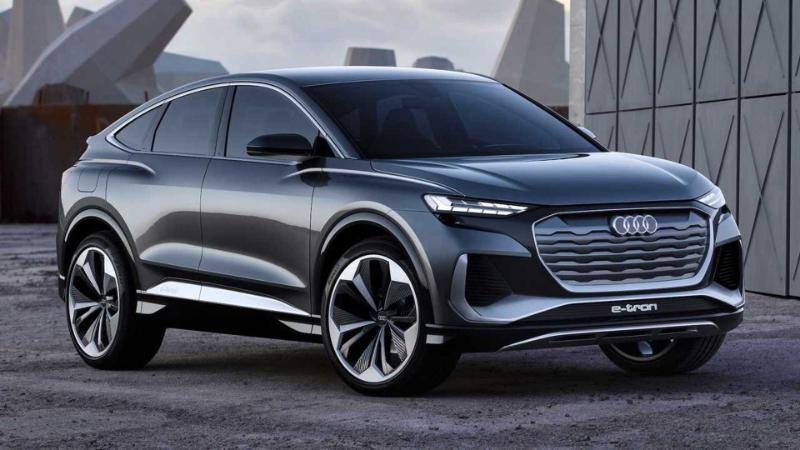
At the very top of the reliability charts sits the Mini Cooper SE. This nimble hatchback has proven to be exceptionally durable with a defect rate of only 3.5 percent among vehicles aged two to three years. It managed to outperform many established combustion engine rivals and set a high standard for build quality in the electric sector. Following closely behind is the Audi Q4 e-tron which secured the second spot thanks to a low error rate of just 4 percent. Another standout performer is the electric version of the Fiat 500 which demonstrated that small Italian cars can be robust and dependable. These models prove that electric powertrains can indeed offer a hassle-free ownership experience when properly engineered.
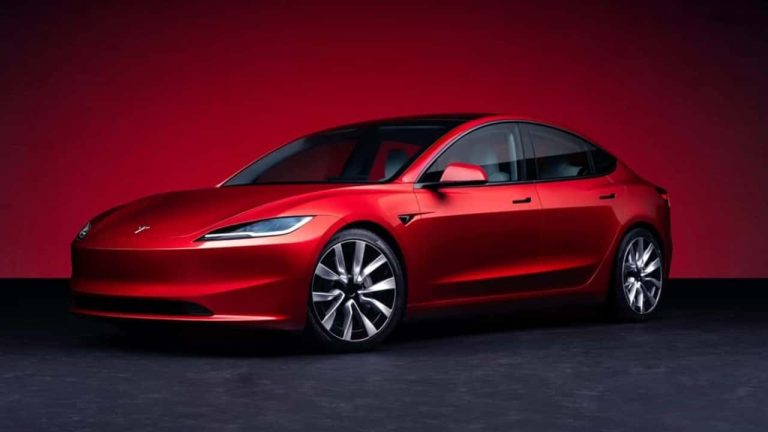
However the report was not full of praise for every manufacturer involved in the electric transition. Tesla found itself at the bottom of the list with results that have raised eyebrows across the industry. The Tesla Model Y recorded a significant defect rate of 17.3 percent which made it the absolute worst performer in the two-to-three-year-old category. Its sibling the Tesla Model 3 did not fare much better and also landed near the bottom of the rankings. These figures are particularly concerning because they represent some of the highest failure rates seen in the past decade for relatively new vehicles. Joachim Bühler from the TÜV Association noted that such poor performance often stems from specific areas like suspension and lighting systems.
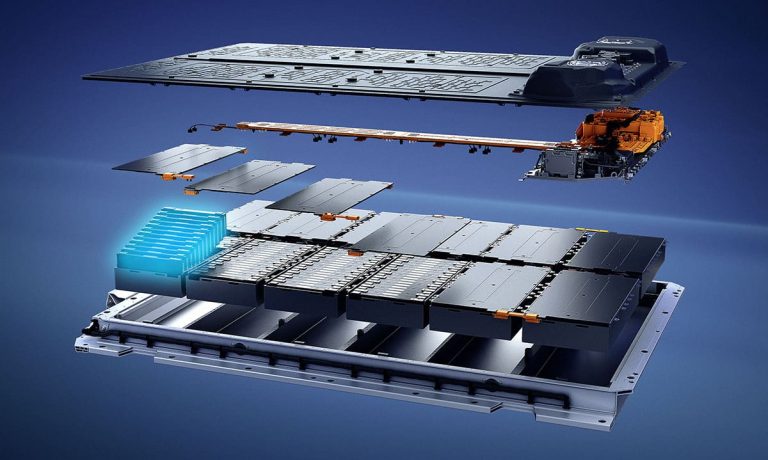
The technical reasons behind these failures are often unique to the design of electric vehicles. Heavy battery packs place immense stress on axles and suspension components which leads to premature wear and tear that inspectors frequently flag. Brakes also present a paradox because regenerative braking systems mean the mechanical discs are rarely used in daily driving. This lack of use causes the brake discs to corrode and rust much faster than they would on a traditional gasoline car. Owners are often advised to brake hard occasionally to clean the discs and ensure the system remains fully functional.
This extensive German study serves as a crucial guide for consumers navigating the used car market. It highlights that while the technology is maturing rapidly there are still significant differences in execution between legacy automakers and newcomers. The data suggests that manufacturers using shared platforms often achieve better initial quality scores than those building bespoke electric architectures from scratch. As the market continues to evolve buyers must look beyond range and acceleration figures to consider long-term durability.
We are interested to hear if these reliability rankings match your own experiences with electric vehicles so please leave your opinion in the comments.