Here Is How Long A Car Is Allowed To Run In Neutral
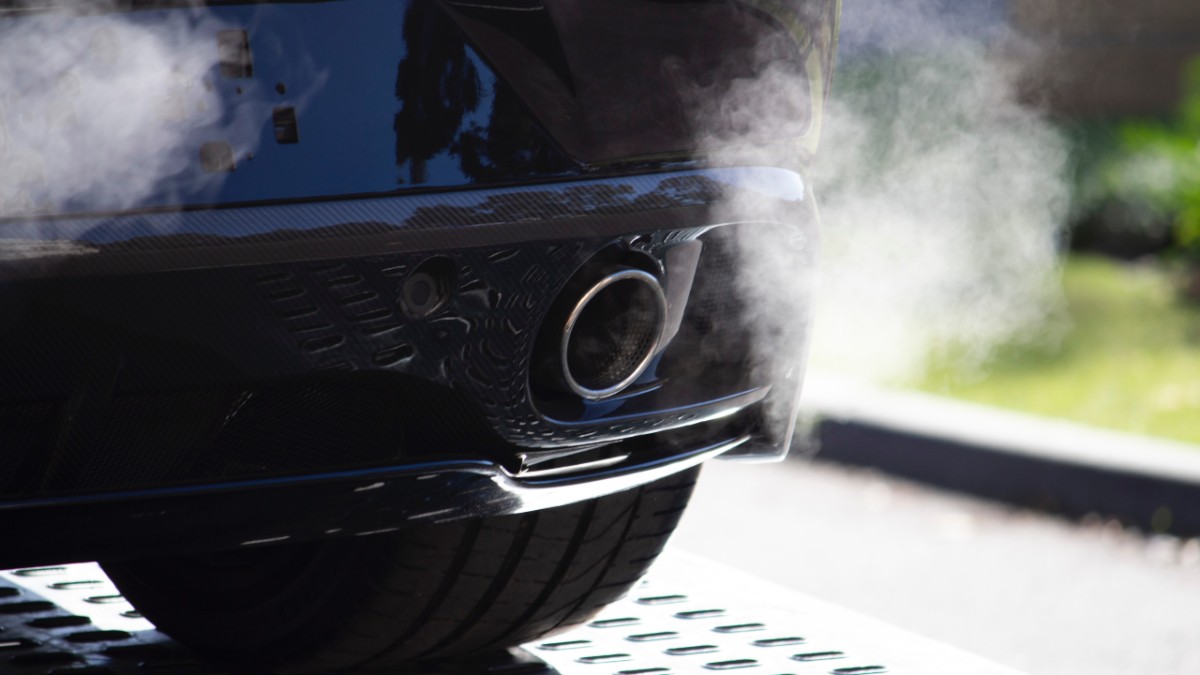
Many drivers adhere to the winter ritual of starting their vehicles and letting them run for several minutes before setting off, believing this practice protects the engine. It is a common sight on cold mornings to see cars parked with engines humming and exhaust fumes rising, while the driver waits inside or outdoors for the cabin to warm up. However, automotive experts and reports cited by Business Insider warn that this habit is not only unnecessary for modern vehicles but can actually lead to significant mechanical damage over time.
The widespread belief that an engine requires a lengthy warm-up period is a relic from the era of carburetors. Older vehicles relied on mechanical fuel mixing systems that needed heat to function effectively, otherwise, the car might stall. Today’s vehicles are equipped with electronic fuel injection systems and sophisticated sensors that adjust the air-fuel mixture in real-time, regardless of the ambient temperature. This technological advancement renders the practice of stationary warming up obsolete and potentially harmful.
According to a racing driver referenced in the reports, leaving a car to idle in freezing temperatures can strip vital oil from the engine’s components. When an engine is cold, the electronic control unit sends a “rich” mixture of gasoline and air to the combustion chamber to ensure ignition. In a moving vehicle, this extra fuel is consumed rapidly as the engine works. However, when the car is idling, the excess gasoline can fail to evaporate and instead condense on the cylinder walls.
Gasoline acts as a potent solvent, and its accumulation on the cylinder walls can wash away the thin film of oil necessary for lubricating the pistons and rings. This phenomenon, often referred to as oil dilution, leads to increased friction and accelerated wear on the engine’s internal parts. Over time, the fuel can seep into the oil pan, degrading the quality of the engine oil and reducing its ability to protect the motor. Instead of prolonging the life of the vehicle, long-term idling effectively shortens it by exposing critical components to unnecessary stress and chemical degradation.
To avoid these negative consequences, experts recommend a different approach to warming up. The consensus is that drivers should start the engine and begin driving gently within approximately 30 seconds to a minute. Driving the vehicle places a light load on the engine, allowing it to reach its optimal operating temperature much faster than it would while sitting in neutral. This method ensures that the fuel is burned efficiently and the catalytic converter warms up quickly to reduce emissions.
Regarding how long a car should run in neutral when not warming up—such as when waiting for a passenger—general guidance suggests turning off the engine if the stop is expected to last longer than 60 seconds. Idling for more than a minute burns more fuel than restarting the engine and contributes to unnecessary pollution and engine wear. By minimizing idle time, drivers can save money on fuel, protect their engine from oil dilution, and reduce their environmental footprint.
Do you typically let your car warm up in the driveway, or do you start driving immediately? Share your thoughts in the comments.