How Long Do Modern Car Engines Last and Which Parts Fail Most Often Before 200,000 Miles?
Modern car engines have become marvels of engineering, delivering impressive power and efficiency while meeting tough emission rules. Yet many drivers wonder just how far these powerplants can go before major trouble sets in. With downsizing trends dominating the last couple of decades, smaller turbocharged units often face higher stresses than their larger predecessors. While some engines easily surpass three hundred thousand kilometers, others run into costly issues well before hitting two hundred thousand kilometers. Proper care remains the biggest factor in determining whether your engine becomes a long-term companion or a source of headaches.
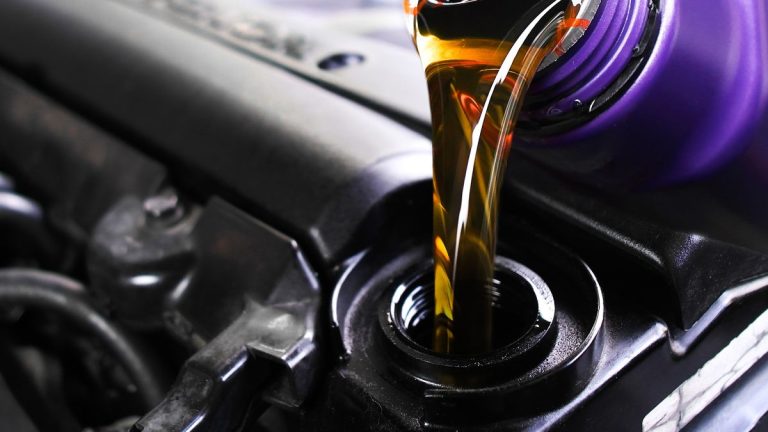
The push toward downsizing has led manufacturers to fit turbochargers to tiny one to one point five liter three or four cylinder engines. These designs squeeze out strong performance from minimal displacement but operate under intense heat and pressure. Thin modern oils like zero W twenty help cut friction and boost fuel economy, yet they leave a thinner protective layer on critical parts. Tight manufacturing tolerances mean even small impurities or minor flaws can snowball into serious problems like bearing wear. Major brands including Toyota, Honda, and General Motors have issued large recalls over issues tied to production residues or machining errors.
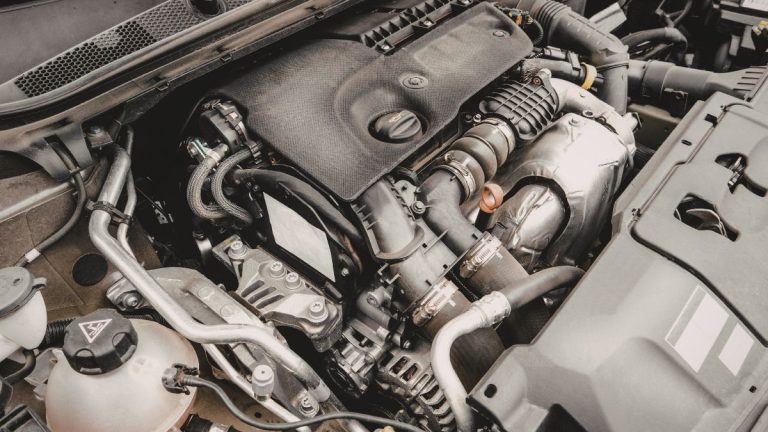
Certain engines have earned tough reputations for failing prematurely. Ford’s one point zero and one point five EcoBoost units with wet timing belts in oil suffered when the belt degraded and clogged passages, starving the engine of lubrication. Early versions from the first half of the twenty tens proved especially vulnerable if owners skipped strict service schedules. PSA Group’s one point two PureTech engines in Peugeot and Citroën models faced similar belt breakdown woes, prompting many repairs. Stellantis later switched to chains in newer generations starting around twenty twenty three to address the flaw. Volkswagen’s older one point two and one point four TSI engines often needed work due to stretched timing chains and faulty tensioners.
Other notable trouble spots include Renault’s one point two TCe with high oil use from piston ring troubles, plus Hyundai and Kia’s Theta II two point zero and two point four liter engines recalled globally over crankshaft bearing failures from factory defects. These cases highlight how innovative designs sometimes sacrifice durability when pushed to extremes. For engines using belts immersed in oil, sticking to quality lubricants and frequent changes proves essential to avoid disaster.
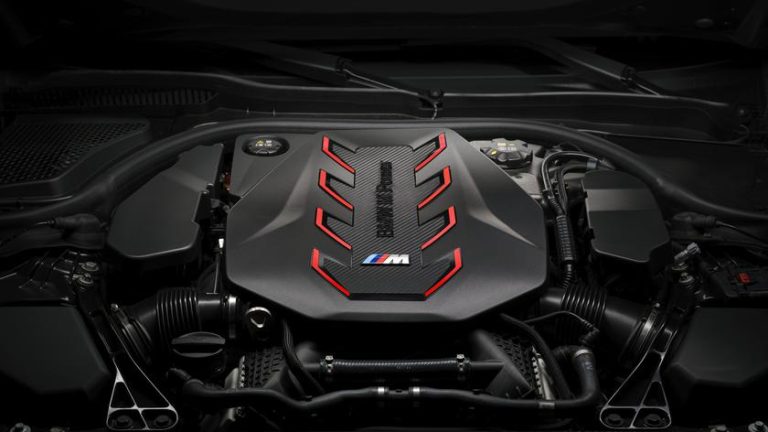
On the brighter side, several engines stand out for exceptional staying power. Toyota’s approach keeps things conservative, avoiding overloads on their one point eight and two point five liter hybrids running the Atkinson cycle. Taxi fleets frequently push these past four hundred thousand kilometers, with rare examples topping a million. Mazda’s naturally aspirated SkyActiv G two point zero and two point five liter units skip heavy turbo reliance and deliver solid reliability. BMW’s three point zero liter B58 turbo inline six balances thrilling performance with impressive toughness, while Volkswagen’s newer EA288 two point zero TDI diesel shines when serviced diligently.
Ultimately, modern engines reflect a balance between cutting edge tech and practical longevity. Designs that prioritize robust materials, sensible power reserves, and proven concepts tend to outlast those chasing every last gram of efficiency. Regular maintenance, using the right fluids, and respecting service intervals make the biggest difference in reaching high mileage without heartbreak.
What engines have surprised you with their durability or let you down early in the comments?