Humanoid Robots Take Over Heavy Jobs in Toyota Factories in Canada
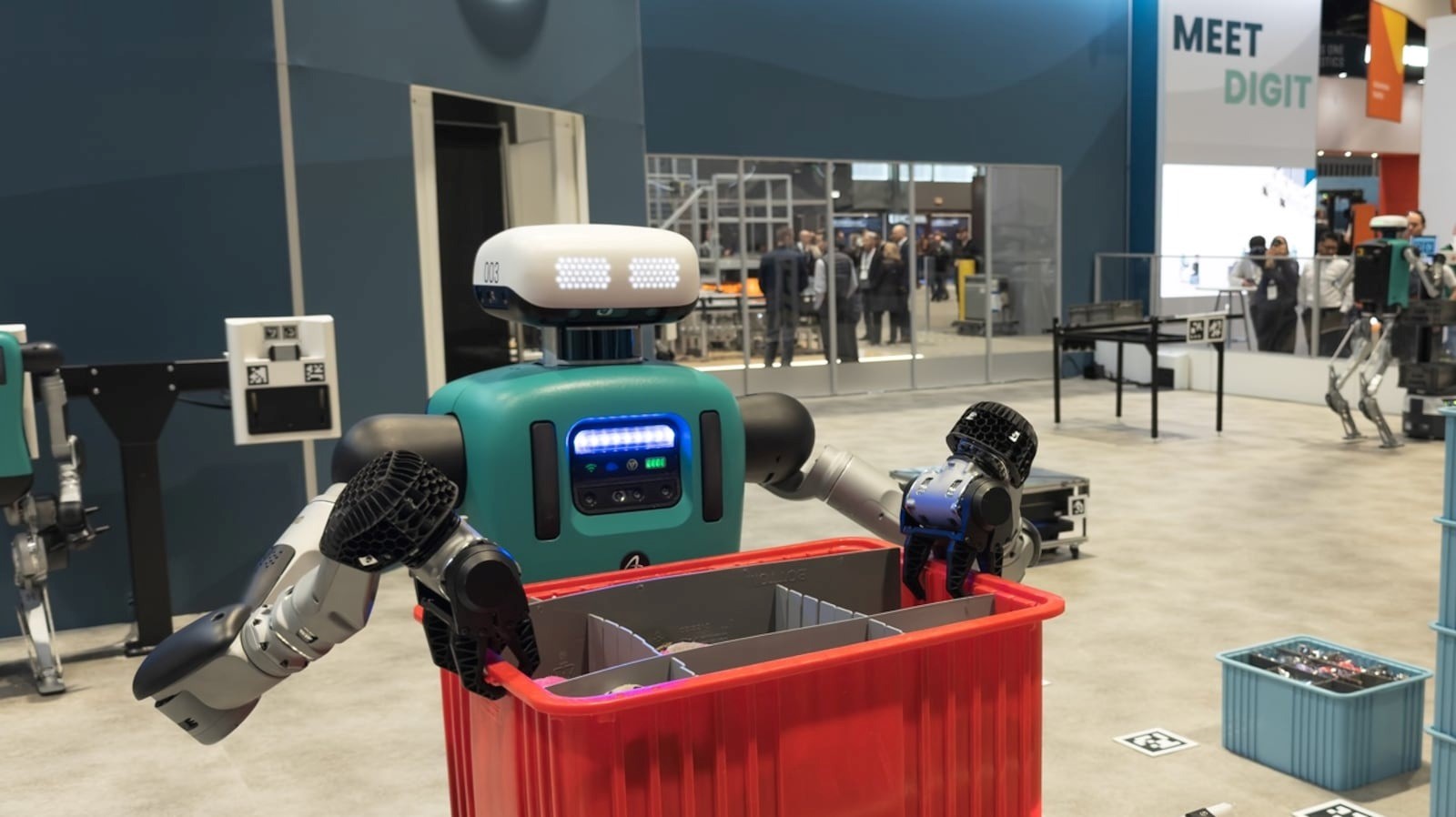
Toyota Motor Manufacturing Canada has started bringing humanoid robots into its assembly plants to handle some of the toughest physical work. The company signed an agreement with Agility Robotics to deploy their versatile robot named Digit. This move comes after a successful year-long pilot project that proved the technology works well in real production settings. The robots focus on repetitive and strenuous tasks to ease the load on human workers and boost overall efficiency.
The initial rollout involves seven Digit robots at the Woodstock facility in Ontario where the popular RAV4 models come together. Instead of purchasing them outright Toyota opted for a Robots-as-a-Service model which keeps things flexible and cost-effective. These humanoids join employees in manufacturing supply chain and logistics areas performing jobs like moving heavy parts or loading materials that demand strength and precision over long shifts. By taking on these roles the robots help reduce strain injuries and let people shift toward tasks that require more skill and judgment.
Digit stands out because it is built for safe collaboration right alongside humans without needing major changes to the factory floor. The design skips expensive renovations allowing quick integration into existing lines. Powered by artificial intelligence the robot learns new duties continuously and adapts when processes evolve which makes it ideal for dynamic automotive environments. Agility Robotics pairs Digit with a cloud platform called Agility Arc to manage fleets smoothly and monitor performance across operations.
This partnership reflects broader efforts to address labor shortages in manufacturing while improving workplace safety. Toyota representatives emphasized that the goal is to enhance employee experience by automating the most physically demanding parts of the job. Other major companies like Amazon and GXO have already incorporated similar Agility solutions showing growing trust in humanoid technology for industrial use. The approach prioritizes cooperative safety ensuring robots and people work together effectively without risks.
Looking ahead Toyota and Agility plan to explore more applications where robotics and AI can refine car production further. The focus remains on highly repetitive actions that wear down workers over time. As these deployments expand they could set a pattern for other automakers facing similar challenges in North America and beyond. Humanoid robots like Digit represent a practical step toward smarter more sustainable factories.
What do you think about humanoid robots joining assembly lines in places like Toyota plants—share your thoughts in the comments.