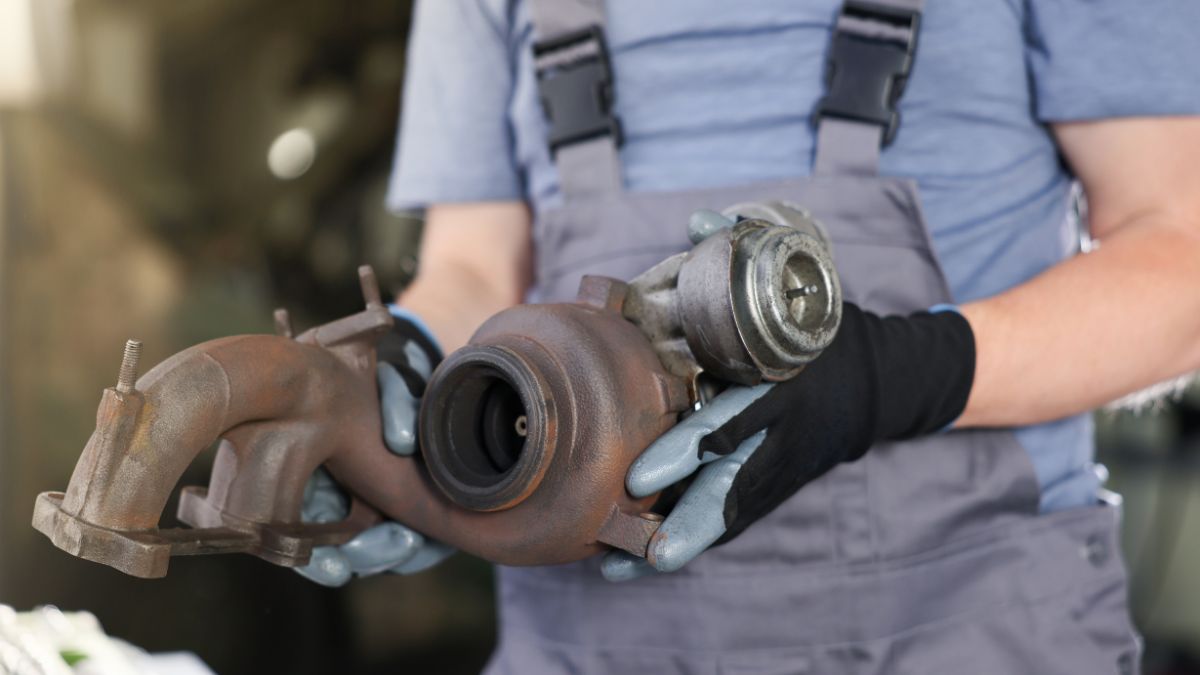
Ignoring This Habit Kills Your Engine Turbocharger During Normal Use
The days when gasoline engines were strictly atmospheric are largely behind us as most modern vehicles now rely on turbochargers. Whether you drive a small city car with a three-cylinder engine or a powerful diesel cruiser on the highway, the underlying principle remains the same for better performance and lower consumption. However, this increased efficiency comes with a higher price in terms of technical complexity and potential repair costs. When a turbocharger fails, the financial blow is often severe and completely unexpected for the average owner. Many drivers instinctively blame the technology itself or a flaw in the engine design when these failures occur. The reality is usually much simpler and often points to the driving habits of the person behind the wheel.
Turbochargers frequently fail during what most people would consider completely normal driving conditions. One of the most common mistakes occurs right after starting the vehicle when the engine oil is still cold and thick. Revving the engine high immediately after ignition prevents the oil from reaching the turbocharger effectively. The turbine rotor spins at tens of thousands of revolutions per minute and requires a stable film of lubrication to function without damage. Putting a heavy load on the engine before the oil has warmed up causes microscopic wear that eventually leads to shaft play and oil leaks in the intake.
Equally damaging is the habit of turning off the engine immediately after dynamic driving or highway cruising. The turbocharger reaches extremely high temperatures during operation, and shutting down the car stops the oil circulation instantly. Without the flow of oil to carry away the heat, the remaining lubricant in the bearings begins to overheat. This process cooks the oil and creates carbon deposits that abrasive to the sensitive internal components. Over the long term, these deposits block the turbocharger and lead to a total seizure of the system.
This problem is insidious because it develops slowly over time without offering immediate warning signs to the driver. The accumulation of carbon and the gradual wear of the bearings happen silently until the component finally fails. According to ‘Auto Klub’, this specific type of negligence is a primary killer of turbochargers that could otherwise last much longer. The component is extremely sensitive to oil quality, which makes regular maintenance and proper driving habits critical.
Preventing this expensive failure requires a simple adjustment to your daily routine. You should allow the engine to idle for a short period before turning it off completely. This brief pause allows the oil to circulate and lower the temperature of the turbocharger to a safe level. It is a small investment of time that can save you a significant amount of money in repairs later.
Please tell us about your own experiences with turbocharger maintenance and driving habits in the comments.