India EV Registrations Surpass 2 Million Mark in 2025
Can India’s electric vehicle adoption sustain its explosive growth amid policy shifts and supply constraints? Registrations of battery-powered vehicles excluding hybrids reached 2.02 million units by late November 2025, eclipsing the full-year total of 1.95 million from 2024.
The milestone reflects a 3.6 percent year-over-year increase, driven by declining battery prices, expanded charging infrastructure, and launches of extended-range models. Electric two-wheelers dominated with 57 percent of volumes, totaling 1.2 million units year-to-date, up from 1.15 million for all of 2024. This segment benefited from established manufacturers leveraging dealer networks and competitive pricing to counter subsidy reductions.
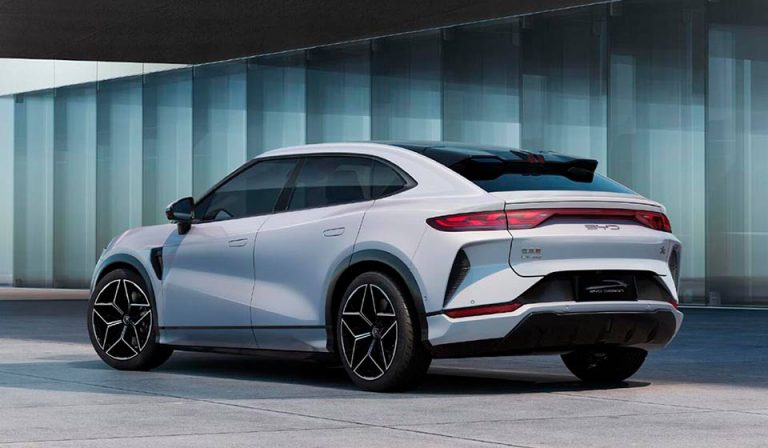
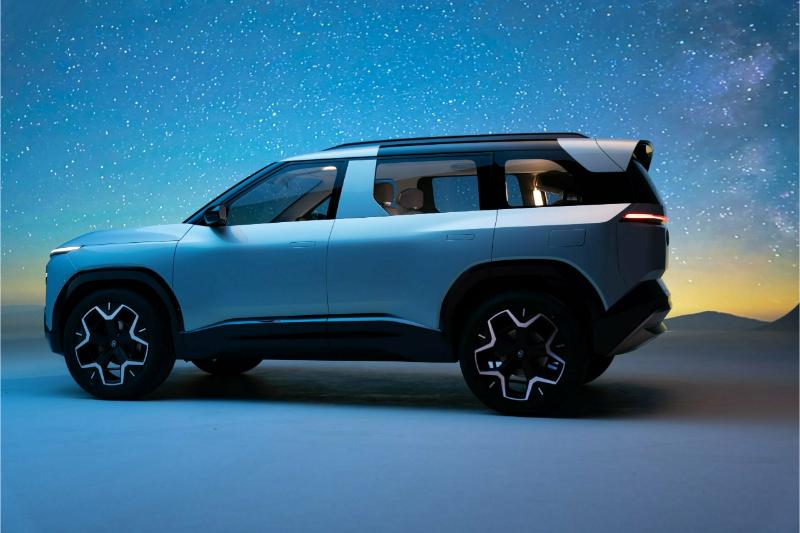
Electric three-wheelers followed with 690,000 units registered, nearly matching 2024’s 691,000 figure, supported by steady fleet electrification in urban logistics. Passenger vehicles, including cars and SUVs, posted the strongest gains at 156,455 units, a 57 percent rise from 99,429 units in 2024. New offerings with faster charging capabilities addressed range anxiety for city commuters.
Poonam Upadhyay, director at Crisil Ratings, noted during an industry briefing, “Established OEMs have driven electric two-wheeler growth this year, leveraging extensive dealer networks, competitive pricing, and higher-range models to expand customer base and boost retail confidence despite policy changes.” She projected mid-teen growth for full-year 2025, down from 27 percent in 2024, signaling a maturing market.
Government incentives under the FAME-III scheme, allocating 10,000 crore rupees for two- and three-wheelers, bolstered demand despite magnet supply shortages. Localization rates exceeded 60 percent for key components, cushioning import costs. Charging stations grew to 12,146 units nationwide by October 2025, with 70 percent in urban areas, easing adoption barriers.
Tata Motors led passenger vehicle registrations with 7,150 units in October alone, while Ola Electric topped two-wheelers at over 30,000 monthly units. Hero MotoCorp and Greaves Electric Mobility achieved record October volumes of 15,947 and 7,629 units, respectively. JSW MG Motor followed in passenger EVs with 4,525 registrations that month.
Upadhyay added, “While charging infrastructure remains a consideration for long-distance travel, it’s no longer a major concern for urban buyers who can rely on home and workplace charging.” Home charging accounted for 65 percent of sessions, per a SIAM survey, with public networks expanding 25 percent year-over-year.
Projections indicate EVs comprising 8 percent of total vehicle sales by end-2025, up from 6.6 percent in 2024. The government targets 30 percent electrification by 2030, backed by 50,000 crore rupees in production-linked incentives. Battery costs fell 15 percent to 2,500 rupees per kilowatt-hour, enabling affordable models under 1 lakh rupees.
October marked a peak with 234,000 total EV registrations, a 5 percent year-over-year and 27 percent monthly gain. Electric three-wheelers excluding e-rickshaws hit 70,604 units, up from 61,044 in September. This festive-season surge underscores resilient demand despite global supply chain pressures.
Industry analysts forecast 2.5 million units in 2026, with two-wheelers reaching 1.5 million. Policy stability, including road tax exemptions in 15 states, will drive further uptake. Urban penetration hit 75 percent, while rural areas lag at 12 percent due to infrastructure gaps.
The surge aligns with India’s net-zero goals, reducing CO2 emissions by 1.2 million tons in 2025. Automakers plan 20 new EV launches by mid-2026, focusing on 300-kilometer ranges. Export potential grows, with 50,000 units shipped to Europe and Southeast Asia through November. This positions India as the third-largest EV market globally, behind China and the U.S.