Jaguar Defends Controversial Rebrand Strategy as Viral Criticism Threatens Premium Pivot
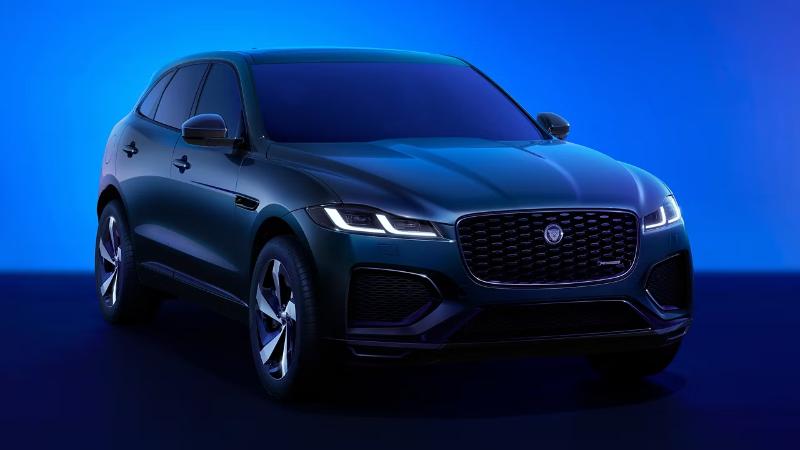
Jaguar Land Rover executives found themselves in a defensive posture this Friday following the polarizing launch of their “Copy Nothing” brand overhaul, a radical marketing shift intended to signal the British automaker’s transition to an all-electric ultra-luxury manufacturer. The campaign, which debuted earlier this week, features a thirty-second spot filled with technicolor high-fashion imagery and abstract slogans but notably excludes any footage of a vehicle. This omission, combined with a completely redesigned logo that discards the traditional “growler” emblem in favor of a mixed-case typographic treatment, has triggered an immediate and volatile reaction from both automotive purists and industry analysts.
The rebrand is not merely a cosmetic exercise but the public face of a high-stakes business strategy championed by JLR Chief Creative Officer Gerry McGovern and Managing Director Rawdon Glover. The stated goal is to elevate Jaguar out of the premium mass market, where it struggled to compete with BMW and Audi, and into the rarefied air of Bentley and Porsche, with average transaction prices expected to exceed $130,000. Executives argue that to achieve this upward mobility, the brand needed a “complete reset” that required severing ties with its traditional wood-and-leather heritage. However, market observers question the wisdom of alienating an existing customer base before the new product—a four-door electric GT—has even been unveiled.
Compounding the risk is the current operational vacuum at Jaguar dealers, who have effectively ceased sales of the XE, XF, and F-Type models months before the new electric vehicles will reach showrooms. This “firebreak” strategy leaves the retail network with zero new inventory for nearly a year, a dangerous gap that the controversial marketing campaign must bridge alone until the physical concept car debuts at Miami Art Week on December 2. Critics, including high-profile tech figures and automotive designers, have publicly ridiculed the campaign for lacking substance, with Tesla CEO Elon Musk bluntly asking the official Jaguar account if they “sell cars.”
The visual identity overhaul includes a new “leaper” logo that appears embossed on brass rather than chrome, and a circular medallion meant to signify the brand’s new “exuberant” character. Internally, JLR sources indicate that this pivot was designed to attract a younger, wealthier, and more design-conscious demographic that has no prior affinity for the brand’s internal combustion history. Yet, the ferocity of the negative sentiment suggests that Jaguar may have underestimated the cultural attachment to its legacy iconography. If the Design Vision Concept fails to deliver a technological knockout punch in Miami next month, this marketing gamble could leave the historic marque with no clear identity in either the old world or the new.