Large Rims Look Stunning but Can Cause Serious Harm: Do They Destroy Your Suspension?
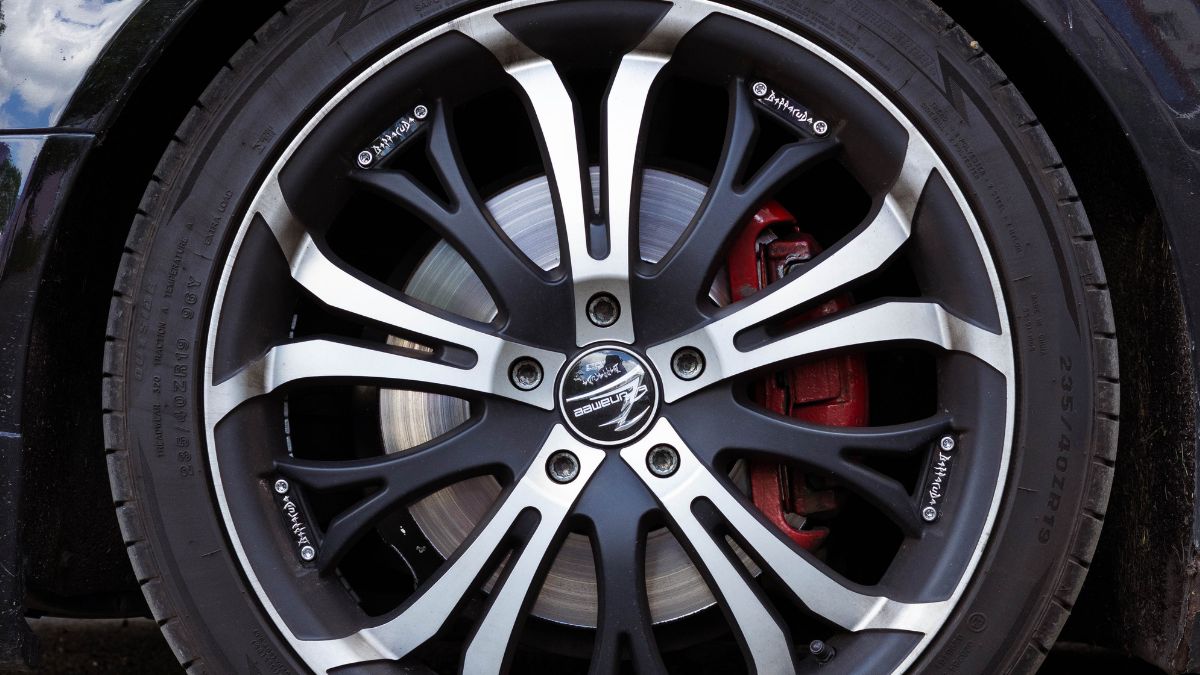
Large rims have become a popular choice for drivers who want their car to stand out with a more aggressive and premium appearance. Many models now offer bigger wheels as part of higher trim levels, giving vehicles that sporty edge right from the factory. Yet beneath the stylish look lies a potential downside that affects how your car rides and holds up over time. The main issue stems from pairing those larger rims with low-profile tires, which have much thinner sidewalls than standard ones.
Those thinner sidewalls provide far less cushioning against road imperfections like potholes, speed bumps, and rough surfaces. Normally, taller tire sidewalls absorb a good portion of those impacts through their flexibility and air volume, shielding the suspension from direct stress. When that cushion is reduced, the energy from bumps transfers straight to the suspension components, forcing them to handle more punishment than they were built for. This change often leads to a noticeably harsher ride where every small irregularity in the road feels amplified inside the cabin.
Suspension parts bear the brunt of this extra workload and wear out faster as a result. Shocks and struts experience greater pressure, which can cause oil leaks or fatigue in the springs sooner than expected. Ball joints, control arms, and tie rods take direct hits without the usual tire buffering, leading to quicker development of play that shows up as knocking sounds or vague steering. Wheel bearings face added strain from the heavier rotating mass, sometimes overheating and producing a whining noise earlier in their life. Rubber bushings crack and degrade more rapidly under constant vibrations, allowing more noise and harshness to reach the interior.
The increase in unsprung weight plays a big role too since larger rims are often heavier unless you opt for costly lightweight alloys. This extra mass makes it tougher for the suspension to control wheel movement after hitting bumps, demanding more effort from the shocks to keep tires planted on the road. Braking distances can suffer slightly because more force is needed to slow down the heavier wheels, wearing out pads and discs quicker. Handling might feel sharper on smooth pavement due to less sidewall flex, but stability and comfort usually take a hit on real-world roads filled with imperfections.
Experts suggest that fitting larger rims on cars not originally engineered for them can shorten suspension component life by 20 to 50 percent, depending on how aggressively you drive and the quality of roads you encounter. Drivers who have switched from factory 18-inch wheels to 19-inch ones often describe the difference as dramatic, with rides turning from comfortable to jarring and noisy almost overnight. Manufacturers sometimes add bigger wheels to upscale versions without beefing up the suspension accordingly, which amplifies these effects. The appeal of better cornering feel and a more planted stance comes at the price of reduced long-term durability and higher repair bills.
Finding a sensible balance makes the most sense for everyday driving. Opting for rims that still allow tires with at least a 45 or 50 profile keeps some protective sidewall while delivering an attractive look. This approach helps preserve comfort, minimizes unnecessary wear, and saves money on premature replacements of expensive parts. Many owners on rougher roads regret going too big after feeling the consequences in their wallet and daily drive.
What size rims do you run on your car, and have you noticed any difference in ride quality or maintenance? Share your thoughts in the comments.