Lucid Debuts Gravity Touring SUV With $79,900 Starting Price
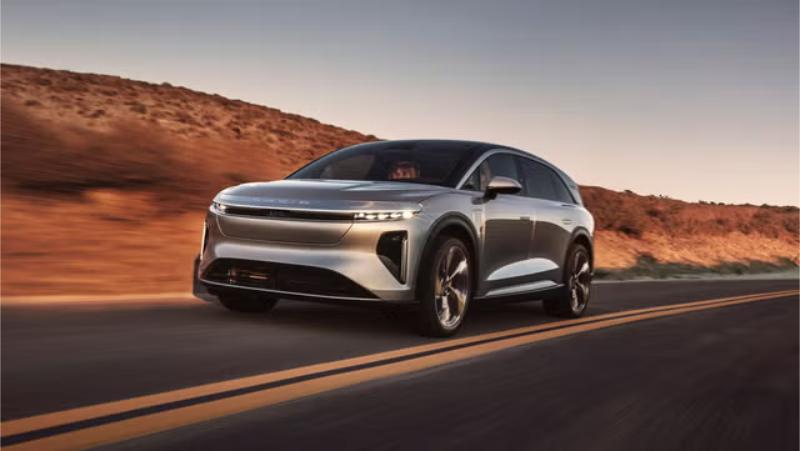
Lucid Motors officially unveiled the entry-level Touring trim of its Gravity SUV at the 2025 Los Angeles Auto Show, executing a strategic pricing maneuver to capture a broader segment of the luxury electric vehicle market. The Newark-based manufacturer confirmed the new model will carry an MSRP of $79,900, positioning it significantly below the previously announced Grand Touring variant which starts at $94,900. This aggressive price point places the seven-seater directly in competition with the Rivian R1S and the Tesla Model X, while potentially qualifying it for federal tax incentives that cap at the $80,000 threshold for SUVs.
Technical specifications released during the debut indicate that the lower price comes with a reduction in battery capacity, utilizing an 89 kWh pack compared to the 111 kWh unit found in the Grand Touring model. Despite the smaller battery, the Gravity Touring achieves an EPA-estimated range of 337 miles, a figure that remains competitive within its class. The vehicle retains the company’s 900-volt architecture, allowing for DC fast charging speeds of up to 220 kW, which can replenish substantial range in under 20 minutes.
Peter Rawlinson, CEO of Lucid Group, emphasized that the Touring trim was designed to offer the brand’s signature interior volume without the six-figure premium. The cabin configuration supports up to seven adults, a critical differentiator in a segment where third-row seating is often compromised by battery packaging. The Touring model maintains the sliding second-row seats and the “frunk” storage capacity that have become staples of the Lucid proprietary platform.
Industry analysts at the show noted that this launch addresses the primary criticism facing Lucid’s earlier Air sedan: accessibility. By offering a dedicated three-row SUV under the $80,000 mark, Lucid is attempting to convert buyers who might otherwise choose legacy luxury brands or established EV competitors. Deliveries for the Gravity Touring are scheduled to begin in late 2025, with production ramping up at the company’s AMP-1 facility in Arizona.