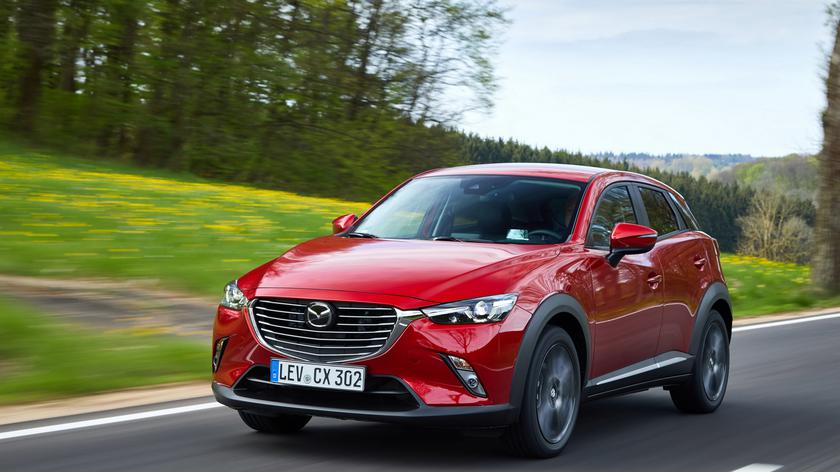
Mazda Finally Retires Its Oldest SUV After an 11-Year Production Run
After more than a decade on the market, one of the most recognizable vehicles in the Mazda lineup is finally reaching the end of its journey. The Japanese automaker has confirmed that production of the CX-3 crossover will officially cease for the domestic market in February 2026. This move marks the conclusion of a significant chapter for the brand as the model had held the title of the oldest SUV in their current portfolio. It debuted back in 2015 and managed to stay in production for 11 years through various updates and facelifts. While reports initially suggested a March termination date, the timeline was moved up to clear the manufacturing lines sooner than expected.
The decision to discontinue the model stems from the natural aging of the platform and the arrival of more modern alternatives. For several years, the CX-3 served as the entry-level point for drivers wanting a compact utility vehicle with the signature driving dynamics Mazda is known for. However, the automotive landscape has shifted dramatically since its launch. Newer models like the CX-30 have effectively filled the gap with updated technology, more spacious interiors, and fresher designs. The CX-3 had already been withdrawn from the United States market after the 2021 model year, but it remained available in Japan and other specific regions where demand for smaller footprint vehicles persisted.
Manufacturing for the domestic Japanese market is the specific target of this shutdown, but the implications are global. Currently, the vehicles sold in Japan are sourced from a production facility in Thailand, which also supplies other international markets alongside a plant in Mexico. With the Japanese domestic orders closing, industry analysts believe it is only a matter of time before production stops completely for the rest of the world. The company website in Japan now indicates that production for the domestic market will end this month, though it leaves the status of overseas exports slightly ambiguous for the moment.
The departure of this long-running crossover also raises questions about what will replace it in the lineup. There are circulating rumors and reports suggesting that a successor could be in development, possibly bearing a name like the CX-20. This potential new model would likely feature a more contemporary design language and improved hybrid technology to compete with modern rivals. Meanwhile, the closely related Mazda 2 hatchback is also rumored to be facing discontinuation later this year. The brand seems focused on restructuring its portfolio to emphasize its newer generation of SUVs, such as the CX-50 and CX-90, which better align with current consumer preferences for size and premium features.
This strategy reflects a broader trend in the automotive industry where manufacturers are streamlining their offerings to focus on their most profitable and technologically advanced vehicles. The CX-3 had a successful run and introduced many drivers to the brand, but its architecture simply could not keep pace with the rapid evolution of safety systems and connectivity features found in the latest showroom models. As the inventory clears out, fans of the subcompact crossover segment will have to look toward the slightly larger CX-30 or wait to see if the rumored replacement materializes in the coming years.
Do you think Mazda is making a mistake by removing their smallest and most affordable SUV option from the lineup? Share your thoughts in the comments.