Mercedes-Benz Celebrates 140 Years Of Innovation And Automotive History
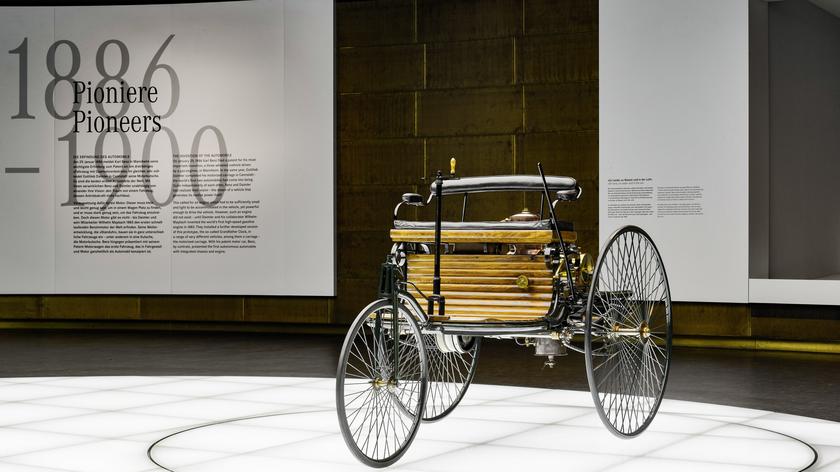
The year 1886 stands as a monumental turning point in human history because it marked the birth of the modern automobile. Karl Benz filed his patent for a three wheeled vehicle powered by a gas engine in January of that year. This specific document known as patent DRP 37435 is often cited as the birth certificate of the car. It paved the way for a brand that would eventually define luxury and performance on a global scale. Today we celebrate the fourteenth decade since that historic moment occurred in Germany.
While Karl Benz was working on his motor wagon Gottlieb Daimler was simultaneously developing his own motorized carriage. Daimler collaborated with Wilhelm Maybach to create a four wheeled vehicle that pushed the boundaries of engineering. These two pioneers worked independently yet their shared vision for personal mobility changed the world forever. Their early designs laid the foundation for every car seen on the road today. They proved that internal combustion could replace the traditional horse and buggy.
Bertha Benz played a crucial role in proving that the automobile was more than just a mechanical curiosity. She took her sons on a sixty mile journey from Mannheim to Pforzheim without her husband knowing. This brave act demonstrated the practical utility of the invention to a skeptical public. Her feedback led to the addition of a lower gear for climbing hills and improved brakes. She is widely recognized as the first person to undertake a long distance road trip.
The name Mercedes entered the scene through an Austrian diplomat and businessman named Emil Jellinek. He raced cars produced by Daimler and named them after his daughter Mercedes. This branding became so popular that it was officially adopted by the company in the early twentieth century. Eventually the companies of Benz and Daimler merged in 1926 to form the legendary Daimler Benz AG. This merger combined the best engineering minds of the time into one powerhouse.
Throughout its long history the brand has introduced numerous safety features that are now standard in the industry. They pioneered the use of crumple zones and anti lock braking systems to protect drivers and passengers. Innovations like the airbag and electronic stability control also found their roots in this manufacturer’s laboratories. Their commitment to engineering excellence continues to influence the automotive landscape in the modern era. Every modern safety standard owes a debt to these early developments.
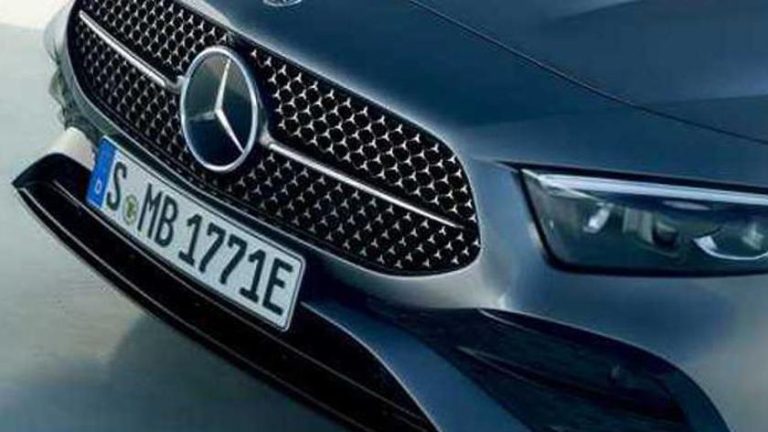
The iconic three pointed star logo represents the company’s ambition to dominate transportation on land on water and in the air. This symbol has become one of the most recognized trademarks in the entire world. It signifies a blend of heritage and forward thinking design that few other manufacturers can match. The brand has successfully navigated economic shifts and technological revolutions over the decades.
Racing has always been a core part of the identity for this German manufacturer. Their Silver Arrows dominated the tracks in the mid twentieth century and established a reputation for speed. Drivers like Juan Manuel Fangio and later Lewis Hamilton have added to the legendary status of the racing team. These competitive efforts allow the company to test new technologies under extreme conditions before they reach consumers.
Celebrating 140 years requires reflecting on how far technology has advanced since those first noisy engines. From the original patent motor wagon to the latest electric models the journey has been remarkable. The company remains a symbol of status and technical perfection for enthusiasts around the world. We look forward to seeing what the next century of development brings to the industry.
Please tell us which era of Mercedes Benz history you find most fascinating in the comments.