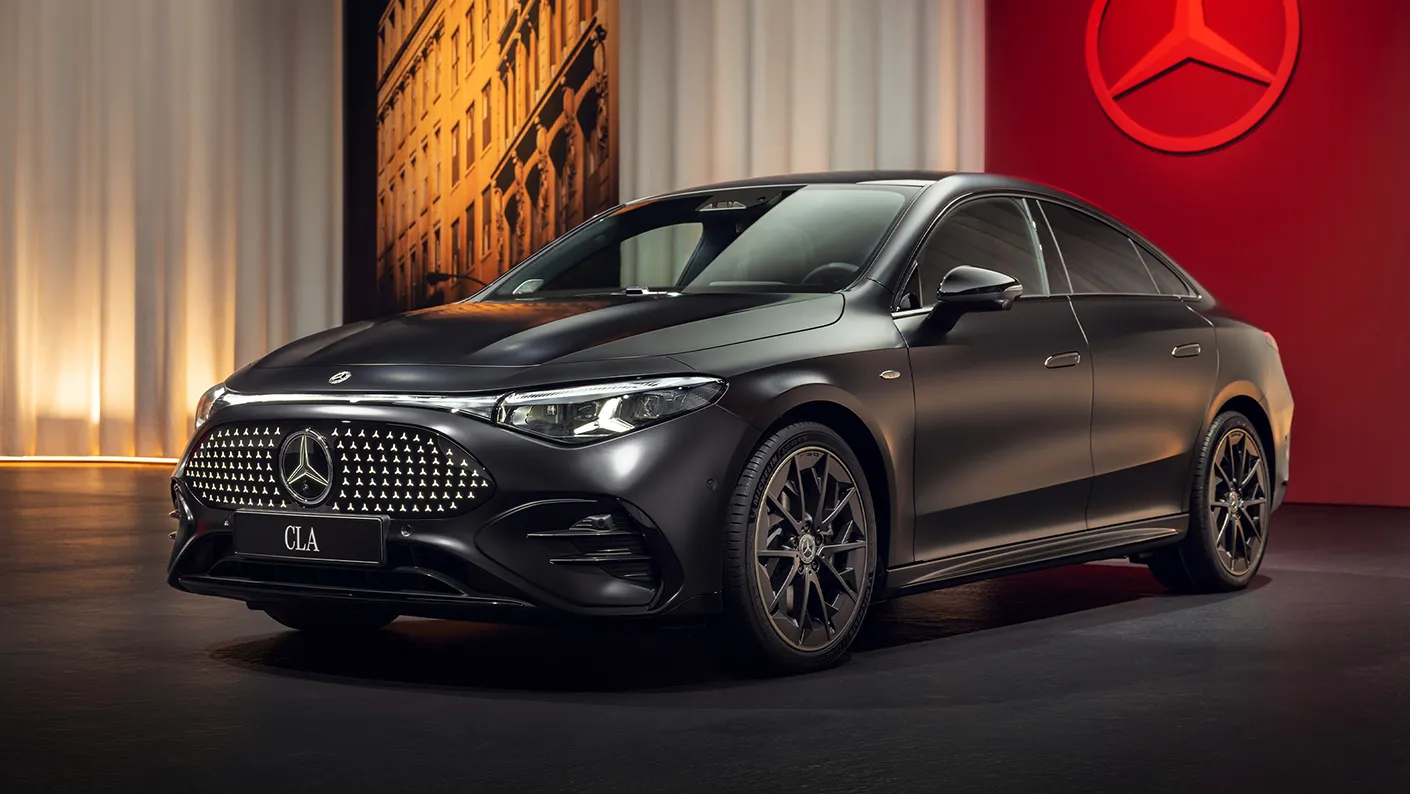
Mercedes-Benz Prices 2026 CLA Electric Sedan Starting at $55,000
Mercedes-Benz has set base pricing for the all-electric 2026 CLA at $55,000, positioning the compact sedan as an entry point into its EQ lineup while incorporating advanced battery and software architectures from higher-end models. The vehicle employs an 800-volt electrical system for charging speeds up to 320 kilowatts, enabling a 10 to 80 percent state-of-charge in 18 minutes on compatible DC stations. Rear-wheel drive configuration delivers 268 horsepower from a single motor, with an EPA-estimated range exceeding 400 miles based on preliminary testing.
The CLA’s powertrain integrates a 96-kilowatt-hour NMC battery pack, co-developed with partner suppliers to achieve energy densities of 200 watt-hours per kilogram. Dual-motor all-wheel drive variants, badged as CLA 4Matic, boost output to 536 horsepower, accelerating from 0 to 60 miles per hour in 3.2 seconds. Aerodynamic enhancements, including active grille shutters and low-rolling-resistance tires, contribute to a coefficient of drag rated at 0.23.
Production begins in late 2026 at Mercedes’ factories in Rastatt, Germany, and Beijing, China, with U.S. deliveries slated for early 2027. The sedan measures 184.6 inches in length, offering 15 cubic feet of cargo space behind the rear seats, which fold flat for expanded capacity. Interior features include a hyperscreen dashboard spanning 56 inches across three displays, powered by the latest MBUX infotainment with AI-driven voice controls.
Safety systems encompass standard adaptive cruise control, lane-keeping assist, and a 360-degree camera array, earning projected five-star NHTSA ratings. Optional driver-assistance packages add Level 3 autonomous capabilities for highway use, pending regulatory approval in select states. The CLA targets competitors like the Tesla Model 3 and BMW i4, emphasizing luxury materials such as vegan leather upholstery and ambient lighting with 64 color options.
Pricing escalates to $65,000 for the 4Matic trim, with destination fees of $1,150. Federal tax credits of up to $7,500 apply for eligible buyers, reducing effective starting costs below $50,000. Mercedes projects annual U.S. sales of 25,000 units in the first full model year, capturing 8 percent of the premium compact EV segment.
Battery preconditioning optimizes thermal management for cold-weather performance, maintaining 90 percent range retention at 20 degrees Fahrenheit. The vehicle’s chassis utilizes a multi-link rear suspension with frequency-selective damping, providing 0.85 g of lateral grip in skidpad tests. Over-the-air updates will refine energy management algorithms post-launch, potentially extending range by 5 percent through software iterations.
This launch coincides with Mercedes’ goal of 50 percent electrified sales by 2030, supported by a North American charging network expansion to 15,000 stalls. The CLA’s introduction addresses softening EV demand, with U.S. battery-electric market share dipping to 7.2 percent in November amid subsidy uncertainties. Analysts forecast compact sedans regaining 12 percent of total EV volume by 2028.
Competitors have responded with price adjustments, including a $2,000 cut on the Hyundai Ioniq 6. Mercedes’ vertical integration in propulsion tech allows cost controls, with battery costs projected at $85 per kilowatt-hour. The sedan’s regenerative braking system recaptures up to 90 percent of kinetic energy, enhancing efficiency in urban cycles.
As infrastructure investments reach $7.5 billion under federal programs, accessibility remains key to adoption. The 2026 CLA embodies Mercedes’ shift toward scalable EV platforms, sharing components with the upcoming EQS SUV. Early reservations open in March, with production capacity expandable by 20 percent if demand exceeds projections.