Mercedes-Benz Prioritizes Repairability in Future Designs
Mercedes-Benz announced a shift toward enhanced repairability in upcoming vehicle components. Engineers replace permanent adhesives with screws and reversible fasteners in headlights, trim panels, and plastic parts. This approach facilitates disassembly for servicing rather than full replacement of sealed assemblies. Mono-material designs improve recyclability by avoiding mixed composites.
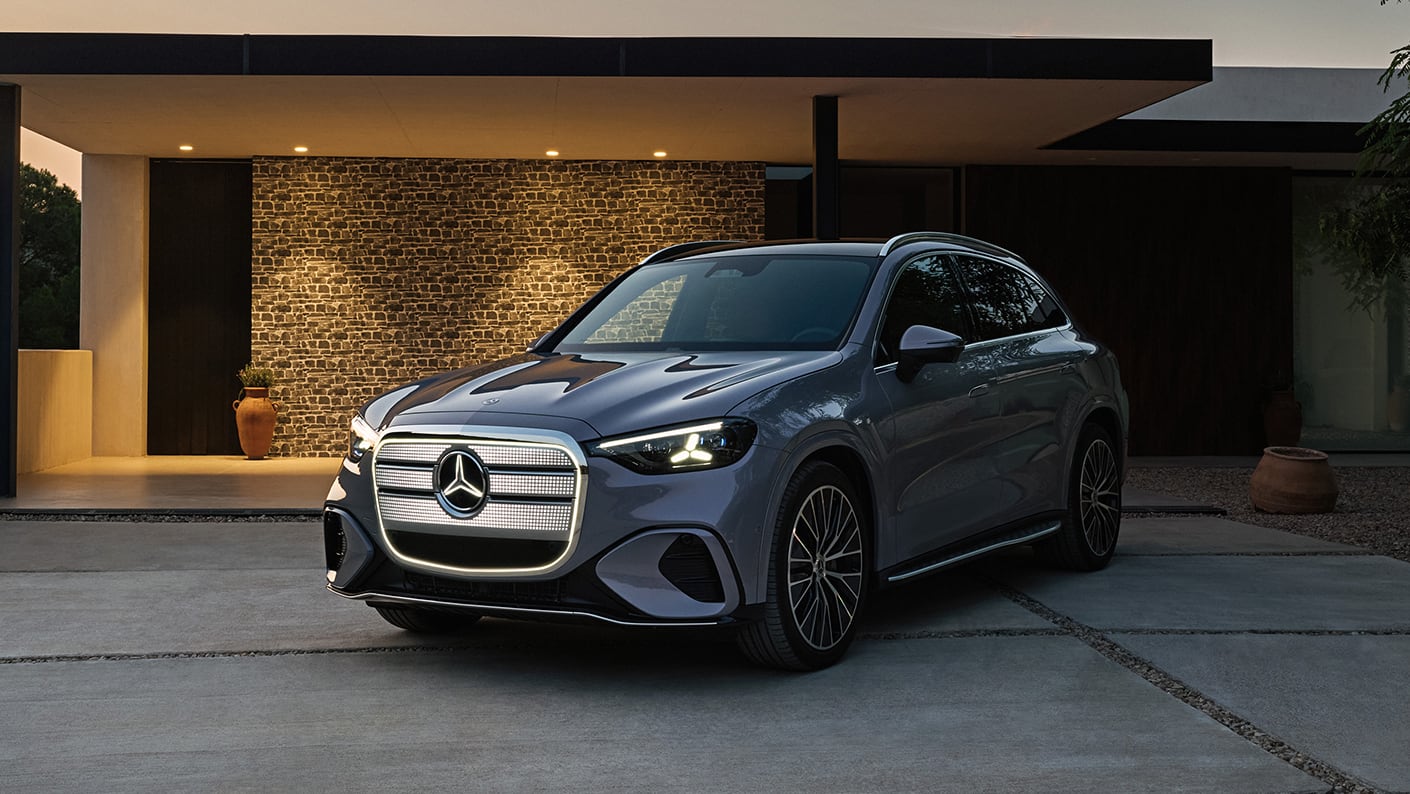
Current LED headlight units bond lenses, housings, and electronics together for watertightness. The new method maintains sealing performance while allowing module separation. Interior panels adopt similar clip-and-screw attachments over glued constructions. These changes reduce repair costs for owners facing damage from minor incidents.
The initiative lowers embedded carbon dioxide through extended part lifespans and easier material recovery. Mercedes trials recycled plastics from tires and airbag components in non-structural applications. Synthetic leather surfaces, engine mounts, and brackets incorporate these sustainable sources. Closed-loop sourcing supports future generations of vehicles.
Design teams balance aerodynamic efficiency and aesthetics with practical serviceability. Complex light signatures integrate advanced LEDs and sensors requiring occasional maintenance. Reversible assemblies enable technicians to access electronics without destroying housings. This addresses rising expenses for sealed replacement units in premium segments.
Implementation begins with refreshed models and major facelifts incorporating updated architectures. Over-the-air software complements hardware improvements for ongoing enhancements. Mercedes positions the strategy within broader sustainability commitments across its lineup. Component longevity aligns with regulatory pressures on manufacturer responsibility.
This evolution reflects owner feedback on maintenance costs for technology-laden vehicles. Independent repair shops gain better access to genuine procedures and parts. Warranty coverage adapts to support modular repairs where applicable. Engineering documentation details new fastening methods for service networks.
The changes demonstrate pragmatic responses to evolving ownership patterns in luxury automobiles. Extended vehicle retention periods benefit from reduced obsolescence of expensive assemblies. Mercedes maintains performance standards while prioritizing post-sale practicality. Real-world durability testing validates the revised construction techniques.
Industry trends favor right-to-repair compatibility amid increasing electronic integration. Mercedes applies lessons from current fleets to inform next-generation platforms. The approach preserves brand prestige through reliable long-term operation. Owners experience tangible savings on common wear items over vehicle lifetimes.