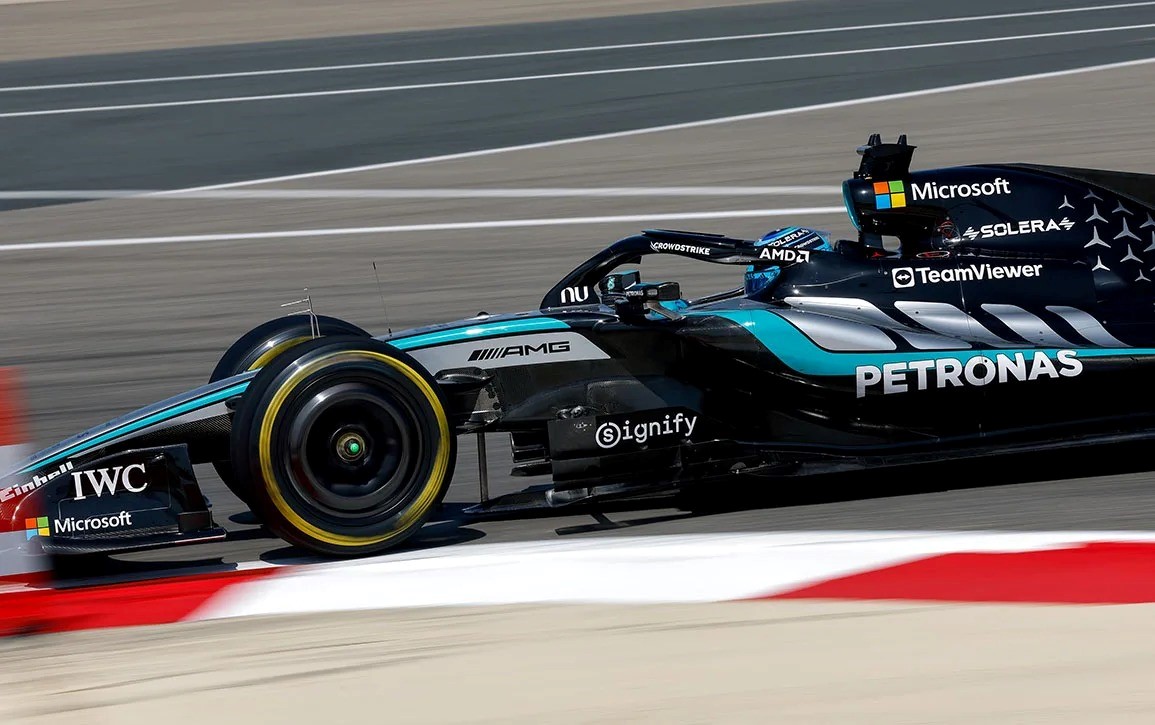
Mercedes’ Engine for the New F1 Cars Has (So Far) Passed the FIA’s Compression Ratio Check
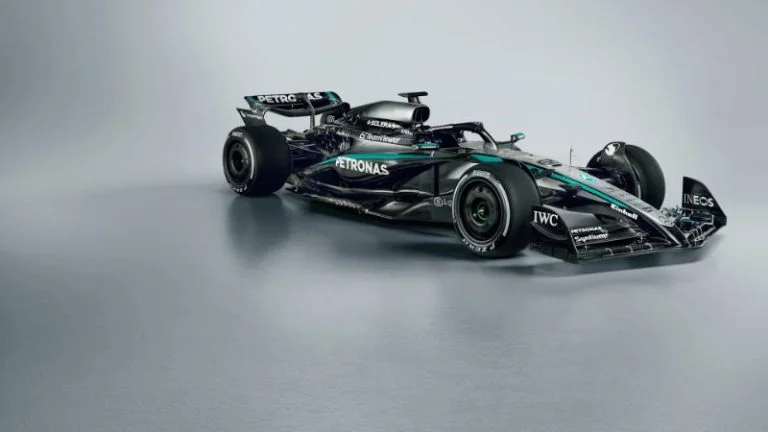
The new Formula 1 era kicks off in 2026 with major changes to the power units, and Mercedes has found itself at the center of early controversy. Rival teams raised concerns that the German manufacturer’s M17 E Performance engine might be bending the rules on compression ratio. The regulations cap this at 16:1, but suspicions grew that Mercedes could achieve a higher effective ratio when the engine heats up during operation, potentially gaining an edge of around 10 to 15 horsepower. This advantage could translate to roughly three-tenths of a second per lap, giving Mercedes and its customer teams a noticeable boost.
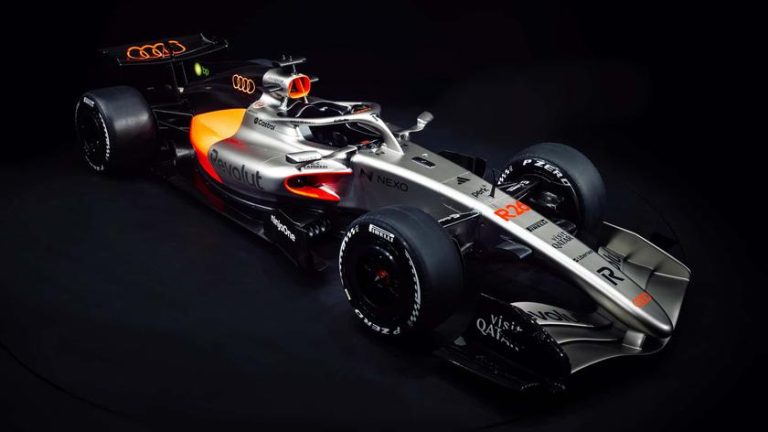
Teams like Ferrari, Red Bull, Audi, and Honda voiced their doubts, arguing that while the engine might comply at ambient temperature as tested, thermal expansion in the cylinders could push the ratio closer to 18:1 under race conditions. They claimed this approach violated the spirit of the rules, even if it technically met the written requirements. Mercedes team principal Toto Wolff firmly defended the design, emphasizing ongoing communication with the FIA from the start and insisting everything aligned perfectly with the regulations. He encouraged rivals to channel their energy into their own projects rather than questioning others’ innovations.
To settle the matter, the FIA performed a targeted verification on the Mercedes power unit. Technicians heated it to 115 degrees Celsius, then disassembled and measured components at 75 degrees Celsius to simulate operational stresses. The results confirmed the compression ratio stayed at the legal 16:1 limit under these elevated conditions, proving full compliance with current measurement protocols. This outcome came just before the official engine homologation deadline on March 1, providing Mercedes with clearance to proceed.
The decision has not fully quieted the debate, as some rivals continue pushing for adjustments to how ratios are evaluated during actual running temperatures. Ferrari, Audi, and Honda reportedly sent an open letter to the FIA requesting refinements to prevent future gray areas. Discussions now include potential new directives that could require demonstrations at higher temperatures, such as around 130 degrees Celsius, possibly starting mid-season. Mercedes has indicated readiness to challenge any retroactive changes legally if needed.
This episode highlights how fiercely competitive the preparations for 2026 have become, extending beyond the track into technical and political arenas. With customer teams McLaren, Alpine, and Williams relying on the Mercedes unit, the stakes remain high for everyone involved. On-track testing continues this week in Bahrain, where more insights into the new regulations will emerge.
What are your thoughts on this early engine drama in the 2026 Formula 1 season, and do you think Mercedes earned a fair advantage in the comments?