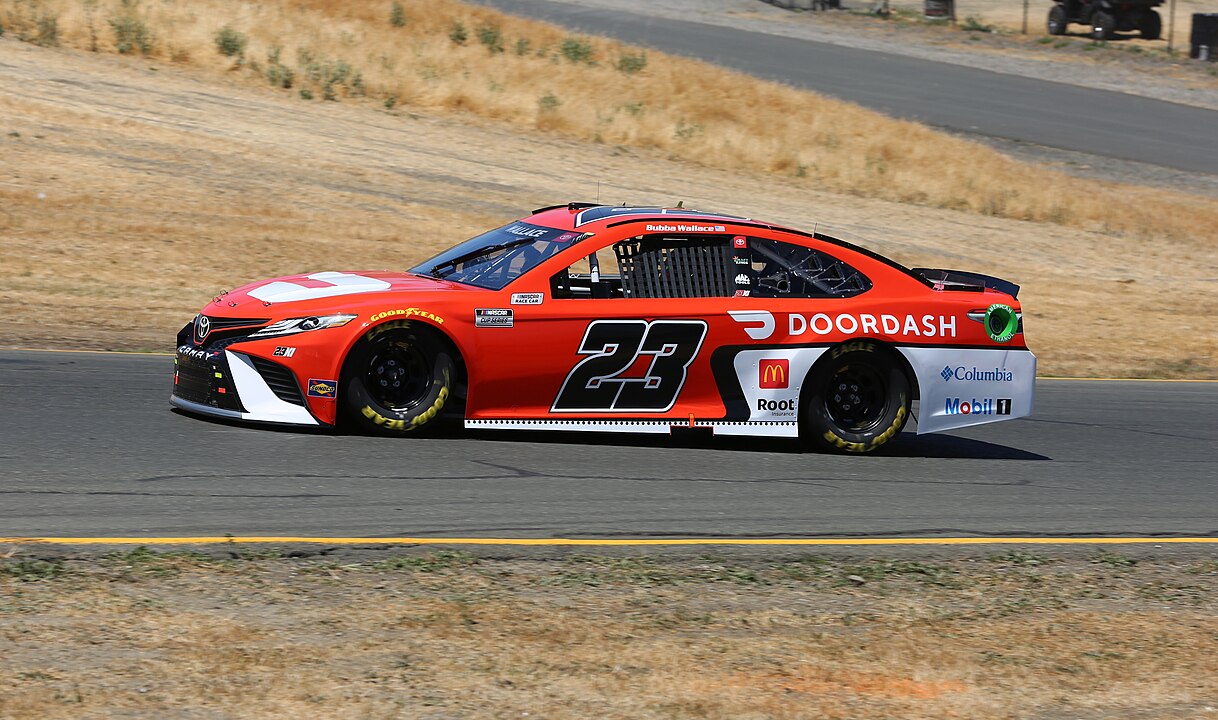
Michael Jordan’s NASCAR Antitrust Suit Heads to Jury Trial
Michael Jordan’s 23XI Racing team joins Front Row Motorsports in a federal antitrust lawsuit against NASCAR, accusing the sanctioning body of monopolistic practices that stifle competition and revenue sharing in the premier Cup Series. The case, centered on the controversial charter agreement that governs team participation and payouts, reaches a two-week jury trial in the Western District of North Carolina, where plaintiffs seek tripled damages potentially exceeding hundreds of millions. This showdown threatens to upend NASCAR’s business model, including its control over 15 of 20 Cup tracks and exclusive supplier deals, amid a series already grappling with declining viewership and sponsorship volatility.
The charter system, introduced in 2016, grants 36 teams guaranteed race entries, minimum payouts totaling $1.1 billion annually, and playoff eligibility in exchange for fees and adherence to rules. 23XI and Front Row, holding one charter each, declined to renew for 2025, citing terms that lock teams into unfavorable revenue splits—NASCAR retains 75 percent of media rights fees—while prohibiting competition in other series. Pretrial discovery uncovered internal NASCAR communications and financials, revealing the France family’s ownership of key assets like Daytona and Talladega, which plaintiffs argue creates an impregnable barrier to new entrants.
Denny Hamlin, co-owner of 23XI and a veteran Cup driver with 53 wins, has rallied support by decrying decades of “brainwashed” fans and opaque negotiations. The suit demands permanent charters for all teams, elimination of exclusivity clauses, and fairer distribution of the $1.2 billion in combined media and sponsorship revenue projected for 2025. NASCAR counters that recent payout increases—up 15 percent from 2024—demonstrate competitiveness, with base guarantees rising to $8.5 million per charter holder.
Team owners like Rick Hendrick and Roger Penske, who back NASCAR, have moved to quash subpoenas limiting their testimony to one hour each, highlighting fractures within the industry. The plaintiffs’ alliance leverages 23XI’s Bubba Wallace, the series’ top Black driver, and Front Row’s economical operations that field cars for drivers like Michael McDowell. A victory could force the sale of tracks or even the sport itself, echoing antitrust precedents in Major League Baseball’s reserve clause challenges of the 1970s.
NASCAR’s Cup Series, with 36 races across ovals, road courses, and street circuits, generated $1.3 billion in attendance revenue in 2024 despite a 10 percent dip in TV ratings. The lawsuit spotlights broader motorsports economics, where operational costs exceed $20 million per team annually, squeezing independents. If resolved in favor of the plaintiffs, tripled damages could total $600 million based on estimated losses from 2021 onward, reshaping alliances ahead of the 2026 season.
This trial arrives as NASCAR negotiates its next media deal, valued at $7.7 billion over seven years through 2031 with FOX, NBC, and Amazon. Plaintiffs argue the current structure favors incumbents, with only four charters sold since 2016 at prices climbing to $45 million. Hamlin’s social media post—”Lies are over starting Monday morning. It’s time for the truth. It’s time for change”—underscores the stakes for a series founded in 1948 that now balances family control with global ambitions.
The case’s outcome hinges on proving NASCAR’s market dominance exceeds 70 percent of U.S. stock car racing, per economic filings. Potential remedies include decoupled track ownership and open bidding for charters, which could attract private equity firms eyeing $500 million valuations. As proceedings unfold, the sport’s 75th anniversary in 2026 looms with uncertainty, testing whether Jordan’s basketball-honed competitive edge can force a paradigm shift in America’s heartland racing circuit.