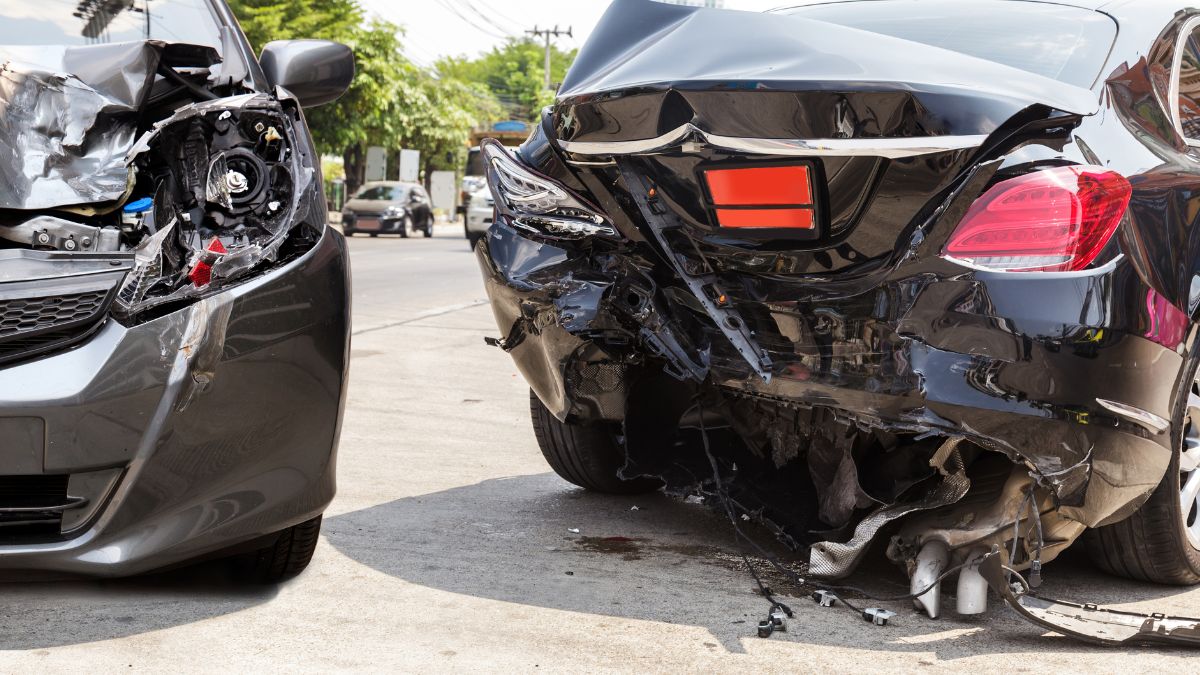
More Cars Are Being Written Off Due to Advanced Technology
Modern vehicles are safer than ever before but they are also becoming increasingly fragile in a financial sense. A strange paradox has emerged where automobiles survive accidents with passengers unharmed while the vehicles themselves are declared a total loss. This trend is not driven by reckless driving or an increase in severe crashes but rather by the sophisticated systems embedded within the cars. A recent report by CCC Intelligent Solutions highlights that nearly one in every four vehicles involved in a collision is now being written off by insurance companies. The data indicates that the percentage of total losses in the United States has climbed steadily over the last few years and currently sits at roughly twenty-three percent.
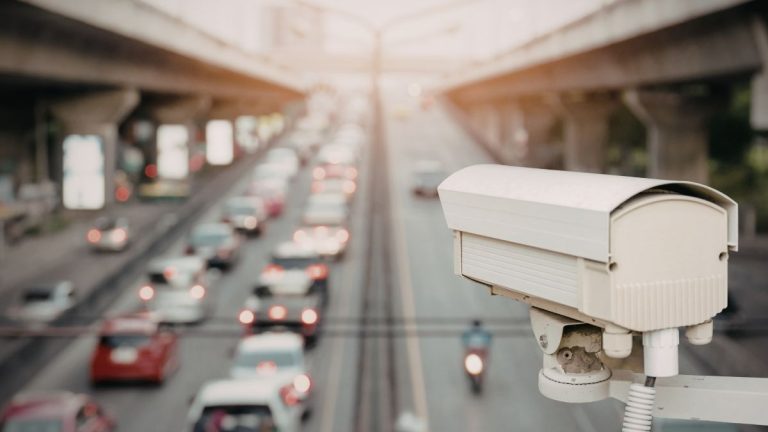
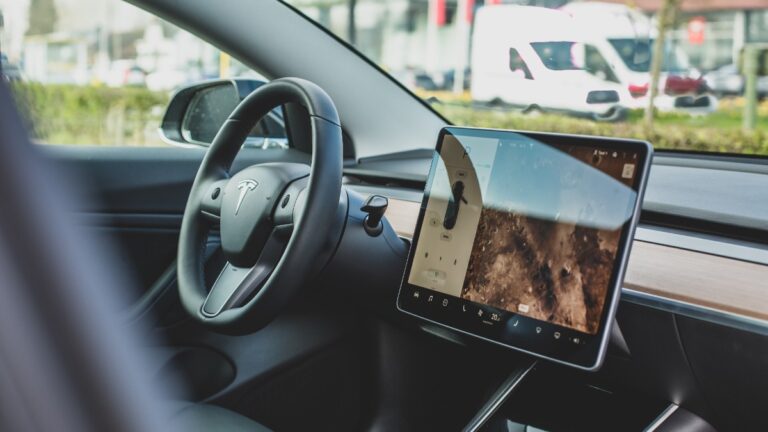
The primary culprit for this rising tide of scrap metal is the very technology designed to protect us. Bumpers and windshields were once simple components that could be repaired or replaced cheaply at any local body shop. Today those same parts are packed with delicate sensors and cameras along with radar units that power advanced driver assistance systems. A minor fender bender that previously required a simple cosmetic fix now demands the replacement of expensive electronics. The repair process involves complex diagnostic scans and mandatory recalibration of safety systems which drives labor costs through the roof.
Economic factors further complicate the situation for vehicle owners and insurers alike. The report notes that the average cost of collision repair has surged to nearly five thousand dollars as of late 2025. This skyrocketing expense forces insurance adjusters to make difficult calculations regarding the viability of fixing a damaged car. The problem is particularly acute for vehicles that are just a few years old because their market value depreciates while part prices continue to rise. Statistics show that over seventy percent of vehicles declared a total loss are older than seven years.
Supply chain disruptions and the rising cost of skilled labor also contribute significantly to this phenomenon. Repair shops face delays in obtaining parts which forces insurers to pay for extended rental car periods and administrative overhead. Consequently it is often cheaper for an insurance company to simply pay out the current value of the car rather than authorize a lengthy and unpredictable repair. This approach frustrates owners who may find themselves losing a perfectly reliable vehicle due to a damaged sensor array. The industry is effectively prioritizing financial efficiency over the preservation of functional automobiles.
Drivers must now grapple with the reality that owning a high-tech vehicle carries hidden risks beyond the initial purchase price. Higher repair costs inevitably trickle down to consumers in the form of increased insurance premiums. As manufacturers continue to integrate more autonomous features the threshold for what constitutes a total loss will likely get even lower. The days of hammering out a dent and getting back on the road are rapidly disappearing in favor of complex software resets and modular replacements.
Please share your experiences with rising repair costs or insurance write-offs in the comments.