Nissan Halts Ariya Imports to Prioritize Next-Generation Leaf Production
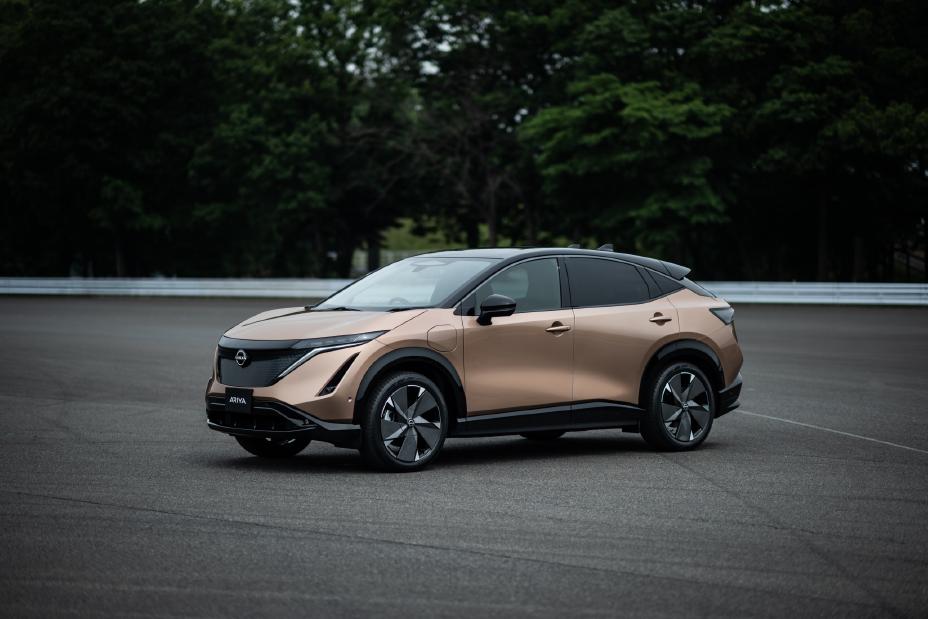
What if a major automaker paused imports of its current flagship electric SUV to redirect resources toward revitalizing its pioneering compact EV for the American market? Nissan Motor Company has suspended shipments of the Ariya electric crossover to the United States from its Japanese assembly plant. This decision reallocates manufacturing capacity and supply chain focus toward the all-new second-generation Leaf launching in 2026. The move addresses softening demand for the Ariya amid intensified competition in the mid-size electric segment.
The current Leaf, introduced in its second iteration for the 2018 model year, utilizes a 60 kilowatt-hour battery pack in higher trims delivering up to 212 miles of EPA-estimated range. Nissan aims for the 2026 model to incorporate advanced cell chemistry targeting over 300 miles on comparable configurations. The vehicle retains front-wheel-drive architecture with single-motor layouts producing approximately 160 kilowatts in base versions. Production shifts to North American facilities to optimize logistics and qualify for federal incentives.
Ariya sales in the United States totaled under 15,000 units through November 2025, constrained by pricing starting above $40,000 and limited trim availability. The dual-motor all-wheel-drive variants offer up to 389 horsepower but face rivals like the Tesla Model Y and Hyundai Ioniq 5 with stronger market positioning. Nissan executives cite inventory management and portfolio realignment as primary factors in the import halt.
The next Leaf adopts Nissan’s CMF-EV dedicated electric platform shared with alliance partner Renault. Battery options span 40 to 65 kilowatt-hours with 800-volt charging compatibility enabling peak rates exceeding 130 kilowatts. Interior updates include a 12.3-inch central touchscreen running updated NissanConnect software with wireless Apple CarPlay and Android Auto. Standard safety suite encompasses automatic emergency braking, blind-spot intervention, and rear cross-traffic alert.
This strategic pivot underscores Nissan’s commitment to the compact segment where the original Leaf established early leadership with over 700,000 global deliveries since 2010. United States pricing expectations position entry models below $30,000 after incentives to recapture volume against the Chevrolet Bolt EUV and Volkswagen ID.4. Production ramp-up targets 100,000 annual units across key markets.
Dealers maintain existing Ariya stock while transitioning promotional emphasis to remaining inventory. Nissan expands certified pre-owned programs for current-generation Leaf models to bridge the gap until new arrivals. Over-the-air updates continue supporting deployed vehicles with enhanced navigation and energy management features.
The decision reflects broader industry adjustments to electric vehicle adoption rates below initial projections in North America. Nissan invests in solid-state battery research for future applications beyond 2030 timelines. The refreshed Leaf integrates vehicle-to-grid capability in select configurations for bidirectional energy flow.
Such reallocations enable automakers to concentrate engineering resources on high-volume platforms. The 2026 Leaf incorporates aerodynamic refinements achieving a drag coefficient below 0.28. Regenerative braking modes offer adjustable intensity through paddle shifters for one-pedal driving optimization.
Nissan’s United States electric market share hovers near 5 percent amid portfolio constraints. The Ariya remains available in Europe and Asia with localized production continuing uninterrupted. This focused approach positions the brand to strengthen affordable electric mobility offerings stateside.