One Wrong Reflex and It’s All Over: See Why This Is Every Motorcyclist’s Nightmare
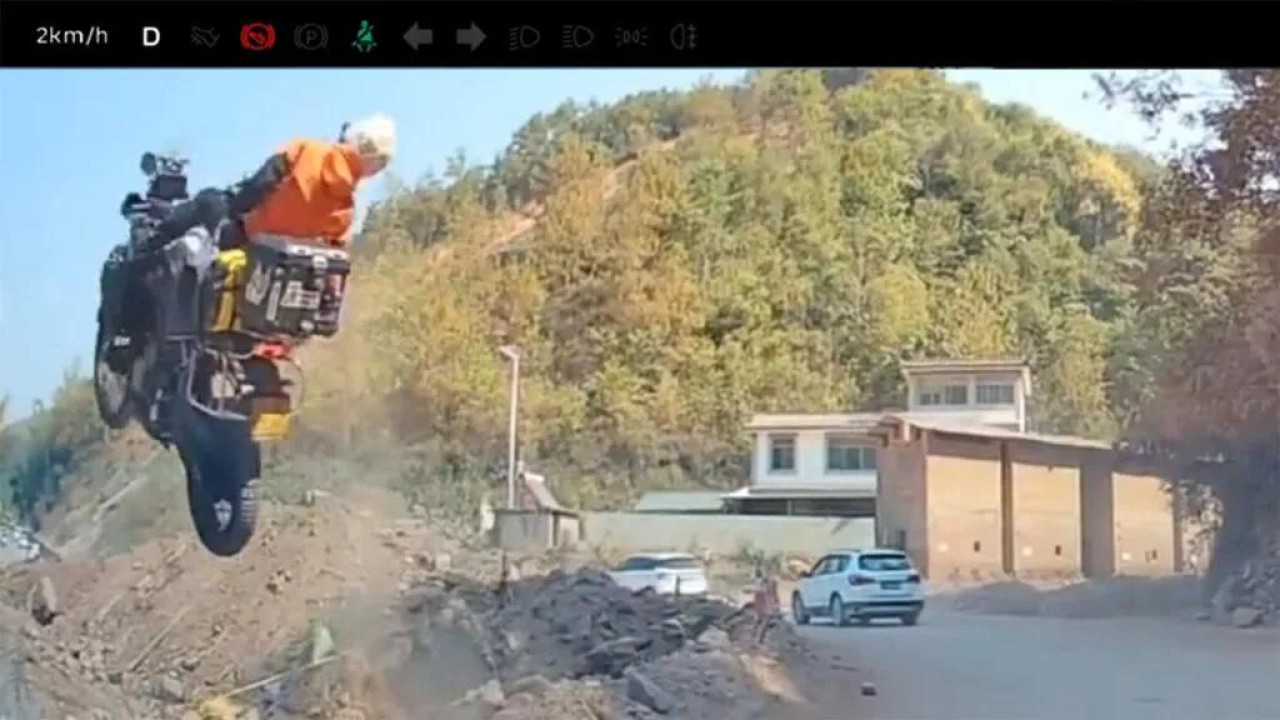
Motorcycle riding demands razor-sharp focus because even a tiny error in reaction can lead to disaster. A recent video circulating online captures exactly that terrifying moment when instinct takes over in the worst way possible. The footage shows a motorcyclist approaching a situation that suddenly requires quick action, but instead of easing off the throttle, the rider twists it harder in panic. This instinctive grab for the throttle, often called whiskey throttle, sends the bike surging forward uncontrollably.
Experts frequently warn about this phenomenon because it stems from human nature under stress. When fear hits, many people clench their hands tightly, which on a motorcycle means rolling on the gas instead of braking or releasing. The result in the clip is immediate loss of control as the powerful acceleration lifts the front wheel or propels the bike straight into danger. What starts as a manageable scenario turns catastrophic in seconds, highlighting how vulnerable riders are compared to those in cars.
The incident serves as a stark reminder that motorcycles leave little margin for error. Protective gear helps with impacts, but it cannot prevent the initial mistake that causes the crash. Riders often train to counter this reflex through practice, like emergency braking drills or throttle control exercises on closed courses. Still, real-world surprises test even experienced motorcyclists, and one momentary lapse can override years of skill.
Situations like this appear in various riding environments, from city streets to open roads, where unexpected obstacles or other vehicles force split-second decisions. The video gained quick attention precisely because it illustrates a classic fear among bikers, the dread of your own body betraying you at the critical instant. Motorcyclists know the thrill of the ride comes with inherent risks, yet moments like these underscore the importance of staying calm and prepared.
Training programs emphasize building muscle memory to fight the panic response, teaching riders to consciously relax their grip when tension rises. Awareness of this common error can make a difference, encouraging everyone on two wheels to anticipate it before it happens. Ultimately, safety improves when riders respect these instincts and work actively against them.
What experiences have you had with close calls or panic moments while riding, share your thoughts in the comments.